← डेस्क पर लौटें9 मिनट का ब्रिफ

फुल ब्रिफ

Mute Swan: The Graceful Monarch of UK Waterways—Biology, Behavior, and Conservation

The mute swan (Cygnus olor) stands as one of the most beloved and recognizable waterbirds in the United Kingdom, its presence gracing canals, ponds, lakes, and rivers with unparalleled grace. With its snow-white plumage, long curved neck, and serene glide across the water, this bird has captivated humans for centuries, becoming a symbol of beauty, loyalty, and romance—thanks in no small part to the iconic heart shape formed by mating pairs as they touch necks. Contrary to its name, the mute swan is not entirely silent; it communicates through soft hisses, grunts, and wing flaps, reserving its voice for moments of alarm or courtship. Beyond its aesthetic appeal, the mute swan plays a vital role in aquatic ecosystems, while its adaptability to both rural and urban habitats has made it a familiar sight to nature lovers and city dwellers alike. Protected under UK law and classified as a species of Least Concern (Green status) in the Birds of Conservation Concern 5 report, the mute swan remains a testament to the harmony between wildlife and human environments—though it still faces subtle threats that require ongoing attention.

P

Penelope

डेस्क रिपोर्टर

कॉन्टेक्स्ट

पढ़ते समय संदर्भ नोट्स साथ रखे गए हैं।

लाइन

डेली सिग्नल
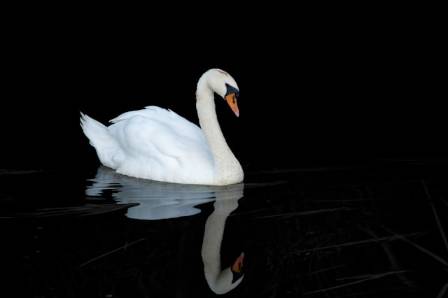

Introduction: An Icon of Elegance and Cultural Significance

The mute swan (Cygnus olor) stands as one of the most beloved and recognizable waterbirds in the United Kingdom, its presence gracing canals, ponds, lakes, and rivers with unparalleled grace. With its snow-white plumage, long curved neck, and serene glide across the water, this bird has captivated humans for centuries, becoming a symbol of beauty, loyalty, and romance—thanks in no small part to the iconic heart shape formed by mating pairs as they touch necks. Contrary to its name, the mute swan is not entirely silent; it communicates through soft hisses, grunts, and wing flaps, reserving its voice for moments of alarm or courtship. Beyond its aesthetic appeal, the mute swan plays a vital role in aquatic ecosystems, while its adaptability to both rural and urban habitats has made it a familiar sight to nature lovers and city dwellers alike. Protected under UK law and classified as a species of Least Concern (Green status) in the Birds of Conservation Concern 5 report, the mute swan remains a testament to the harmony between wildlife and human environments—though it still faces subtle threats that require ongoing attention.

Taxonomy and Physical Traits: A Study in White Splendor

Scientifically classified as Cygnus olor (derived from the Latin for “swan” and “pale”), the mute swan belongs to the Anatidae family, which includes ducks, geese, and other swans. It is distinguished by its striking physical features: an all-white plumage that is thick and waterproof, designed to insulate against cold water and harsh weather. The most distinctive characteristic is its reddish-orange bill, adorned with a large black knob (known as a “caruncle”) at the base—a trait more prominent in males (cobs) than females (pens). Adult mute swans are impressively sized, measuring 1.5 meters (5 feet) in length with a wingspan of up to 2.2 meters (7.2 feet) and weighing between 9 to 11.5 kilograms (20 to 25 pounds), making them one of the largest flying birds in the UK. Females are slightly smaller than males, with a smaller bill knob and more slender neck. Juvenile swans, called cygnets, are a downy brown-gray color with short necks and dark bills, earning them the nickname “ugly ducklings” from the famous fairy tale—though they molt into their adult white plumage by the age of one year. The mute swan’s neck is uniquely structured with 23 vertebrae (more than any other bird), allowing it to curve into elegant arcs and reach deep into the water to forage.

Habitat and Distribution: Thriving in Diverse Waterways

Mute swans are highly adaptable birds, thriving in a wide range of freshwater habitats across the UK, from rural lakes and wetlands to urban canals, park ponds, and slow-moving rivers. They are also found in some coastal lagoons and estuaries, though they prefer calm, shallow waters with abundant aquatic vegetation—their primary food source. Their distribution spans the entire country, from the Scottish Highlands to the south coast of England, with populations remaining stable in most regions due to their ability to coexist with humans. Unlike migratory swan species such as the whooper swan, most mute swans in the UK are resident birds, staying in their chosen territories year-round. However, some populations from continental Europe migrate to the UK during winter, drawn by the milder climate and reliable food supplies. Mute swans are territorial, especially during the breeding season, and will defend their stretch of water from other swans and waterfowl, often choosing sites with nearby reeds or vegetation for nesting and shelter.

Diet and Foraging Behavior: Specialists in Aquatic Vegetation

The mute swan is primarily herbivorous, with a diet centered on aquatic plants such as waterweed, pondweed, duckweed, and algae. They forage in two main ways: by dipping their long necks into shallow water to pluck plants from the surface or bottom, or by upending themselves (similar to ducks) to reach deeper vegetation—though their large size limits how far they can submerge. Occasionally, they will supplement their diet with small invertebrates like snails, insects, and crustaceans, particularly during the breeding season when extra protein is needed. Foraging typically occurs during the early morning and late afternoon, with swans spending much of the day resting or preening their feathers to maintain waterproofing. When it comes to human feeding, mute swans have specific preferences: they readily accept sweetcorn, lettuce, potatoes, oats, and bird seeds, which should be thrown into the water to mimic natural foraging behavior. Bread, however, is discouraged, as it offers little nutritional value and can cause digestive issues, obesity, or nutrient deficiencies if consumed in large quantities. Responsible feeding helps ensure swans remain healthy while fostering positive interactions between humans and wildlife.

Reproduction and Lifecycle: Loyalty and Parenthood
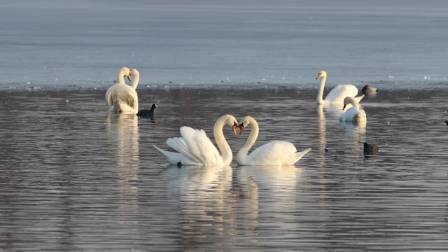
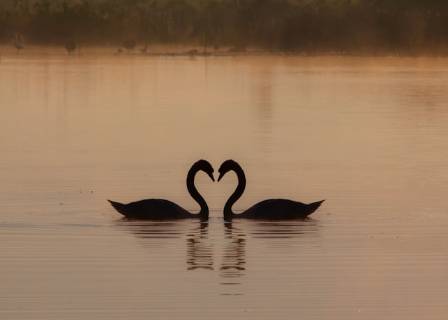
Mute swans are renowned for their monogamous behavior, with most pairs mating for life—though divorce or remating can occur if a partner dies or fails to breed successfully. Courtship takes place in late winter or early spring, involving elaborate displays: pairs swim side by side, mirroring each other’s movements, and touch necks to form a heart shape, a behavior that has cemented their reputation as symbols of love. Once paired, the female (pen) builds a large nest using reeds, grasses, and aquatic vegetation, often lined with down feathers plucked from her chest. The nest is typically situated on the banks of waterways or on floating platforms in reeds, providing protection from predators. The pen lays 4 to 7 pale green eggs, which she incubates for 35 to 41 days, while the male (cob) stands guard nearby, defending the nest from intruders—including other swans, foxes, and even humans who get too close. After hatching, cygnets are precocial, meaning they can swim and feed within hours, though they remain dependent on their parents for warmth, protection, and guidance. Both parents care for the cygnets, leading them to feeding areas and teaching them to forage. The family stays together until the cygnets reach maturity at 6 to 8 months old, at which point they are chased away by their parents to establish their own territories. Mute swans reach sexual maturity at 2 to 3 years old, and can live up to 10 years in the wild—though some captive individuals have lived for over 25 years.

Behavior and Temperament: Serene Yet Territorial

Despite their peaceful appearance, mute swans are surprisingly territorial and can be aggressive, especially during the breeding season (March to July) when protecting their nest, eggs, or cygnets. Males are particularly defensive, often hissing, spreading their wings to appear larger, and charging at intruders—including boats, dogs, and humans. This behavior is a natural instinct to ensure the survival of their young, and it is important for people to maintain a safe distance from nesting swans. Outside of the breeding season, mute swans are more docile, often gathering in small flocks on large bodies of water to rest and feed. They are strong fliers, though they require a long stretch of water to take off, running across the surface with wings outstretched to gain momentum. Once airborne, their large wingspan allows them to glide smoothly, though they rarely fly long distances unless migrating short distances in winter. Mute swans are also meticulous about grooming, preening their feathers with their bills to distribute oil from a gland at the base of their tail—this oil keeps their plumage waterproof and insulating, critical for their survival in cold water.

Ecological Role: Shaping Aquatic Ecosystems

Mute swans play a significant role in maintaining the health of aquatic ecosystems. As herbivores, they control the growth of aquatic vegetation, preventing overgrowth that could clog waterways and reduce oxygen levels for other species. Their foraging behavior also helps to disperse plant seeds, aiding in the spread of vegetation across different water bodies. Additionally, their nests provide shelter for small invertebrates and fish, while cygnets and adult swans serve as prey for apex predators such as foxes and coyotes, contributing to the food chain. Mute swans are also considered indicator species, meaning their presence and health reflect the quality of their aquatic habitat. A decline in mute swan populations can signal pollution, habitat degradation, or reduced food availability—making them valuable for monitoring ecosystem health. Their adaptability to urban environments also allows them to act as “ambassadors” for wildlife, encouraging people to engage with and protect local waterways.

Conservation Status and Legal Protection

In the UK, the mute swan is classified as Green under the Birds of Conservation Concern 5: the Red List for Birds (2021), indicating that its population is stable and not currently at risk of decline. This status is largely due to legal protection: the species is safeguarded under the Wildlife and Countryside Act 1981, which prohibits killing, injuring, or disturbing mute swans, as well as destroying their nests or eggs. Historically, mute swans were once owned by the Crown and protected by royal decrees, a tradition that has evolved into modern conservation laws. Despite this protection, mute swans still face subtle threats, including habitat loss due to urbanization and land development, water pollution from agricultural runoff and plastic waste, and collisions with boats or fishing gear. Climate change also poses a risk, as rising temperatures and changing rainfall patterns can alter the availability of aquatic vegetation and disrupt breeding cycles. Conservation efforts focus on protecting and restoring wetland habitats, reducing pollution, and raising public awareness about responsible interactions with swans—ensuring that this iconic species remains a fixture of UK waterways for generations to come.

Fascinating Facts and Cultural Connections

The mute swan is steeped in fascinating trivia and cultural significance. For centuries, it has been associated with royalty, romance, and elegance: in medieval Europe, swans were considered a luxury food reserved for kings and nobles, while in modern times, they are a popular symbol in art, literature, and weddings. The terms for male and female swans—“cob” (from the Old Norse for “male swan”) and “pen” (from the Latin for “female”)—are unique to the species, as is the name for their young, “cygnets” (derived from the Greek for “swan”). The famous fairy tale “The Ugly Duckling” by Hans Christian Andersen is widely believed to be inspired by the mute swan’s cygnets, which transform from brown, awkward chicks into beautiful white swans. Interestingly, mute swans can sleep while floating on water, tucking their head under their wing to stay warm and safe. They also have a strong sense of direction, often returning to the same nesting site year after year if it remains suitable.

How to Help Mute Swans: Responsible Stewardship
Protecting mute swans requires simple yet impactful actions from individuals and communities. First and foremost, practice responsible feeding: offer nutritious foods like sweetcorn, lettuce, or bird seeds, and avoid bread, crackers, or processed foods that can harm their health. Always throw food into the water rather than onto land, as this encourages natural foraging behavior and prevents overcrowding. When encountering mute swans—especially nesting pairs or families with cygnets—maintain a safe distance to avoid disturbing them; never approach nests, chase swans, or allow dogs to harass them. Support conservation organizations like The Wildlife Trusts, which work to protect wetland habitats and monitor swan populations. Reduce pollution by properly disposing of litter (especially plastic, which can be ingested by swans) and minimizing the use of chemicals that can run off into waterways. Finally, advocate for the protection of local waterways, as healthy habitats are essential for the survival of mute swans and other aquatic wildlife. By acting as responsible stewards, we can ensure that these graceful birds continue to thrive in the UK’s waterways for years to come.

अगली रिपोर्टें

5 Robots Changing Manufacturing Foreve

5 Robots Changing Manufacturing Foreve

Global demand for goods is on a steady rise — a trend that can leave factories struggling to keep pace. In such scenarios, where manufacturing firms need to enhance productivity, they turn to advanced technologies like robotics to boost their production capacity.

स्वस्थ मिठाई व्यंजन और विचार

स्वस्थ मिठाई व्यंजन और विचार

ये स्वस्थ मिठाई की रेसिपी और विचार फलों के व्यंजनों से लेकर चॉकलेट के आनंद तक सब कुछ शामिल करते हैं, जो आपके मीठे खाने की इच्छा को संतुष्ट करने के लिए कुछ हल्के तरीके प्रदान करते हैं।
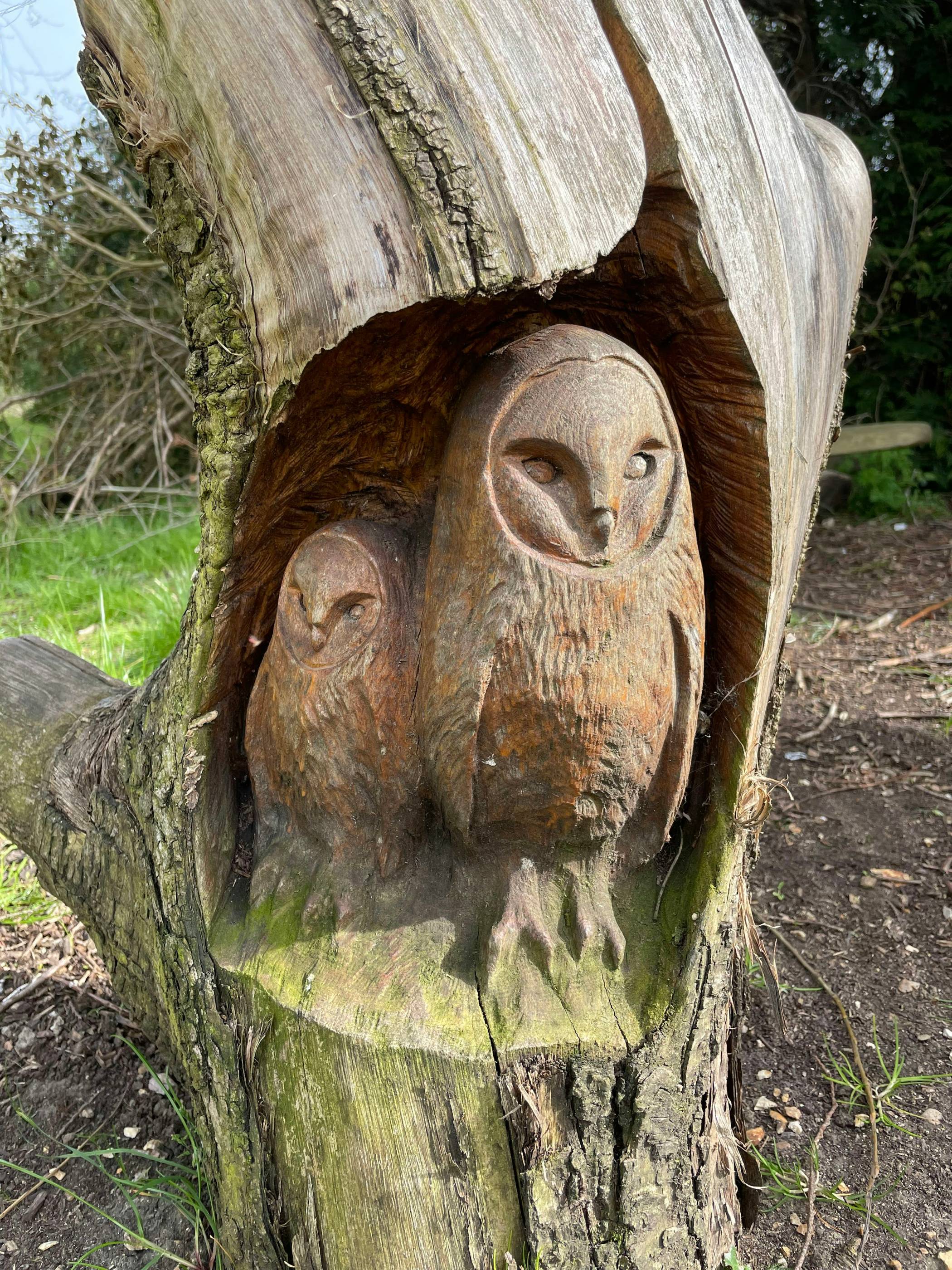
मृतकों की कला: रोम के पेड़ों में बसी खूबसूरती

मृतकों की कला: रोम के पेड़ों में बसी खूबसूरती

रोम: 22 वर्षीय रोमन मूर्तिकार एंड्रिया गैंडिनी, इटरनल सिटी के मृत पेड़ों के ठूंठों को कला के बहुत प्रशंसनीय टुकड़ों में बदलकर अपना नाम बना रहे हैं। गैंडिनी, जिन्होंने लगभग पाँच साल पहले पेड़ों पर नक्काशी शुरू की थी, ने शुक्रवार को विशाल विला पैम्फिली पार्क में अपने 66वें ठूंठ को काटा। उनके पास काम करने के लिए बहुत सारा कच्चा माल है। रोम को यूरोप के सबसे हरे-भरे शहरों में से एक के रूप में जाना जाता है, जहाँ 313,000 पेड़ इसके कई पार्कों को भरते हैं और शहर के केंद्र में सड़कों पर लगे हैं। हालाँकि, कई पेड़ लगभग एक सदी पहले लगाए गए थे और अब कमज़ोर हो गए हैं या मर रहे हैं। यह देखकर कि उन्हें किस तरह से उपेक्षित किया गया था, गैंडिनी ने कार्रवाई करने का मन बनाया।

4 बुनियादी बैडमिंटन कौशल जिन्होंने मेरे खेल को बेहतर बनाया

4 बुनियादी बैडमिंटन कौशल जिन्होंने मेरे खेल को बेहतर बनाया

पंद्रह साल से ज़्यादा समय तक बैडमिंटन की दुनिया से बाहर रहने के बाद, मैं यह जानने के लिए उत्सुक था कि मुझे फिर से अपनी गति पकड़ने में कितना समय लगेगा। मैंने बुनियादी बैडमिंटन कौशल सीख लिए थे, जो मुझे किशोरावस्था में ही मध्यम स्तर पर ले जा सकते थे, लेकिन मैं इसे हल्के में कहूँ तो मैं जंग खा चुका था। मैं अपने आधे शॉट्स को गलत समय पर खेलता था और मेरा बैकहैंड लगभग न के बराबर था। यहाँ तक कि मेरी सर्विस भी बेकार थी। मुझे सिर्फ़ वार्म-अप करने पर भरोसा था। छह महीने तक हफ़्ते में कुछ बार खेलने के बाद, मैंने धीरे-धीरे कुछ आत्मविश्वास हासिल किया और अपनी सबसे बुरी आदतों को दूर किया। इसका मतलब यह नहीं है कि मैं किसी भी क्षेत्र में अद्भुत बन गया... बस इतना ही नहीं कि मैं पूरी तरह से भयानक हो गया। लगभग छह महीने बाद चीज़ें बदलने लगीं। दूसरे नियमित खिलाड़ियों ने मेरे सुधारों पर टिप्पणी की और पूछा कि क्या मैं साथ-साथ प्रशिक्षण भी ले रहा था। मैं खुश तो था, लेकिन साथ ही उलझन में भी था, क्योंकि मैं किसी कोच के साथ काम नहीं कर रहा था और न ही कोई प्रशिक्षण अभ्यास कर रहा था।

तनाव दूर करने और मूड बूस्ट करने के लिए 5 आउटडोर स्पोर्ट्स

तनाव दूर करने और मूड बूस्ट करने के लिए 5 आउटडोर स्पोर्ट्स

क्या आप तनाव महसूस कर रहे हैं? व्यायाम तनाव कम करने और मूड बेहतर बनाने का एक शानदार तरीका है। शारीरिक गतिविधि शरीर के तनाव हार्मोन (कोर्टिसोल) के स्तर को कम करती है, साथ ही एंडोर्फिन (खुशी देने वाले हार्मोन) को रिलीज़ करती है। और जब आप अपनी वर्कआउट रूटीन को बाहर—चाहे पार्क में, जंगल में या समुद्र तट पर—करते हैं, तो प्रकृति की सुकून भरी शक्ति इन फायदों को और बढ़ा देती है। यहाँ 5 आउटडोर स्पोर्ट्स हैं जो आपको तनाव मुक्त करने और आपका मूड ऊपर उठाने में मदद कर सकते हैं।

दुनिया के 10 सबसे खूबसूरत तटरेखाएँ

दुनिया के 10 सबसे खूबसूरत तटरेखाएँ

यात्रा के बारे में मेरी पसंदीदा चीज़ों में से एक है दुनिया भर के कई खूबसूरत परिदृश्यों की खोज करना। जब आश्चर्यजनक परिदृश्यों की बात आती है, तो दुनिया के कुछ सबसे आश्चर्यजनक परिदृश्य दुनिया के सबसे खूबसूरत तटों पर पाए जा सकते हैं। चाहे वह प्राचीन समुद्र तट हों, अविश्वसनीय समुद्री ढेर हों, समुद्र के किनारे खड़ी चट्टानें हों, या तटीय जंगल हों जो पानी तक पहुँचते हों, इस दुनिया की खूबसूरत तटरेखाएँ मुझे कभी भी विस्मित या प्रसन्न नहीं करती हैं। अपनी कई यात्राओं में, मैंने तटरेखा के कुछ वाकई शानदार हिस्से देखे हैं जो इतने खूबसूरत हैं कि वे आपके दिमाग को उड़ा देंगे। हवाई के ना पाली तट के अद्भुत पहाड़ी वर्षावन से लेकर ऑस्ट्रेलिया के ग्रेट ओशन रोड के किनारे पौराणिक समुद्री ढेर तक, दुनिया के सबसे खूबसूरत तट सभी यात्रियों में घूमने की इच्छा को प्रेरित करेंगे। इस लेख में, मैं आपके लिए समीक्षा करने के लिए दुनिया के सबसे खूबसूरत तटों की अपनी सूची गिनने जा रहा हूँ। इनमें से कुछ अविश्वसनीय तटरेखाएँ विश्व-प्रसिद्ध हैं, जबकि अन्य ऐसी ख़ज़ाने हैं जिनके बारे में बहुत कम यात्रियों ने सुना है। हालाँकि, दुनिया की सभी सबसे खूबसूरत तटरेखाओं में एक चीज़ समान है, वह है एक ऐसी सुंदरता जो आपकी आत्मा को झकझोर देगी। यदि आपके पास कोई पसंदीदा तटीय क्षेत्र है जिसे आपने अपनी यात्रा के दौरान देखा है और जो मेरी सूची में नहीं है, तो कृपया इसे नीचे टिप्पणियों में साझा करने के लिए स्वतंत्र महसूस करें। न केवल मैं उन अद्भुत तटरेखाओं के बारे में सुनना चाहता हूँ जो आपको प्रेरित करती हैं, बल्कि इस लेख को पढ़ने वाले अन्य यात्री भी आपके सुझावों के लिए आभारी होंगे! यदि आप कुछ अतिरिक्त यात्रा प्रेरणा की तलाश में हैं, तो मैंने नीचे दुनिया के शीर्ष 10 समुद्र तटों की अपनी सूची को भी लिंक किया है।