फुल ब्रिफ
How Afternoon Tea Works
Afternoon tea is a light, elegant meal enjoyed between lunch and dinner, usually served from around 3:00 to 5:00 in the afternoon. It typically features a fixed selection of three parts: savory bites, scones, and sweet treats, all accompanied by tea.
Penelope Frost
डेस्क रिपोर्टर
कॉन्टेक्स्ट
पढ़ते समय संदर्भ नोट्स साथ रखे गए हैं।
लाइन
डेली सिग्नल
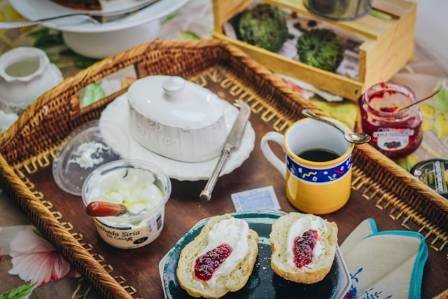
Afternoon tea is a light, elegant meal enjoyed between lunch and dinner, usually served from around 3:00 to 5:00 in the afternoon. It typically features a fixed selection of three parts: savory bites, scones, and sweet treats, all accompanied by tea.
It’s important not to confuse afternoon tea with “high tea.” High tea is actually a more substantial evening meal, traditionally eaten by working families between 5:00 and 7:00 p.m., often including hearty dishes rather than delicate snacks.
The custom of afternoon tea began in the 1840s with Anna Maria Russell. She would feel hungry in the late afternoon but didn’t want a full meal before dinner. To solve this, she requested a small tray of tea, bread, and cakes. Over time, she began inviting friends to join her, turning the habit into a fashionable social event among upper-class women.
Afternoon tea is sometimes called “low tea” because it is traditionally served at low tables with comfortable seating. In contrast, high tea is eaten at a standard-height dining table. Despite the common misconception, calling afternoon tea “high tea” is technically incorrect.
The Three Courses of Afternoon Tea
A traditional afternoon tea is presented on a tiered stand and includes three distinct layers:
First Course: Tea Sandwiches
These are small, delicate sandwiches designed to be eaten by hand. They are usually crustless for a refined appearance and easier handling. Popular fillings include cucumber, egg salad, and smoked salmon.
Second Course: Scones
Scones are served with clotted cream and jam. They are typically eaten with your hands, breaking them apart before adding toppings.
Third Course: Sweets
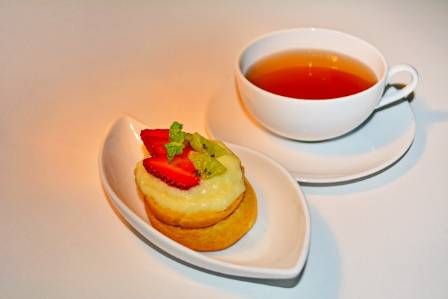
The final course features miniature desserts such as pastries and cakes. These are bite-sized and can usually be eaten in a couple of bites, though a small fork may be used if needed.
How to Order Afternoon Tea
Choose the set menu
Most venues offer only one or two afternoon tea options. Each guest orders their own set, and pricing is usually per person. The food selection is fixed, so you won’t customize the items.
Select your tea
You’ll choose your preferred tea from a menu. Traditional choices are black teas, but herbal options are available for those avoiding caffeine or for children.
What to Expect During the Experience
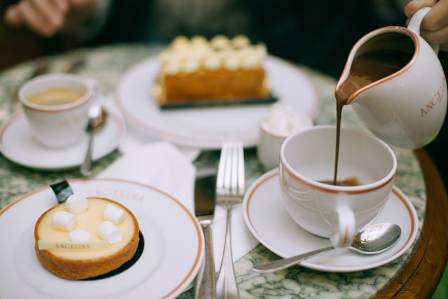
After placing your order, your pot of tea is usually served first, allowing you to begin sipping before the food arrives. The food is then presented, often on a three-tier stand, though sometimes sandwiches may be served separately first.
The proper order of eating is:
Sandwiches
Scones with cream and jam
Sweet pastries
Most items are eaten by hand, with utensils only needed for spreading toppings or handling messier desserts.
Afternoon tea is meant to be leisurely, often lasting around two hours. It’s a calm and refined experience, not something to rush.
If you’d like more tea, you can request additional hot water to refill your pot.
If you have dietary requirements, such as vegetarian preferences or allergies, it’s best to inform the venue when booking and again when ordering. Many places are happy to accommodate.
Dress Code
Although relaxed, afternoon tea carries a semi-formal atmosphere. Casual clothing like sneakers or jeans is usually discouraged. Smart casual or business casual attire is recommended, making it a perfect occasion to dress up a bit.
Afternoon Tea Etiquette
Keep your pinky down
Hold the teacup handle with your thumb and index finger, supporting it with your middle finger. Extending your pinky is considered improper.
Handling utensils
After using a knife or fork, do not place it directly on the table. Rest it on your plate instead.
Using a teaspoon
Never drink tea with the spoon still inside the cup. After stirring, place the spoon on the saucer behind the cup.
Teacup and saucer etiquette
Keep the cup and saucer close together. If seated at a table, leave the saucer on the table. If you move away from the table, you may hold the saucer at waist level while sipping.
Taking leftovers
Traditionally, taking leftovers home is not considered proper etiquette. However, it’s acceptable if the server offers, and even if not, you may politely request it.
Afternoon tea remains a refined and enjoyable way to spend time—combining good food, conversation, and a sense of tradition in a relaxed setting.
अगली रिपोर्टें

तारों की रातें गायब हो रही हैं
सूरज छुपता है। सितारे बाहर आते हैं। और इसलिए कृत्रिम रोशनी करें। यह वैज्ञानिकों और पारिस्थितिक तंत्र और स्टारगेज़र्स के लिए एक बड़ी समस्या है जो एक अंधेरी रात के आकाश पर निर्भर करता है।

पक बैटल: माइंडसेट, टेक्निक और कैसे बेहतर करें
हर ग्लाइड, हर स्ट्राइक, सटीकता, पावर और निडर इंस्टिंक्ट का डांस है

तनाव दूर करने और मूड बूस्ट करने के लिए 5 आउटडोर स्पोर्ट्स
क्या आप तनाव महसूस कर रहे हैं? व्यायाम तनाव कम करने और मूड बेहतर बनाने का एक शानदार तरीका है। शारीरिक गतिविधि शरीर के तनाव हार्मोन (कोर्टिसोल) के स्तर को कम करती है, साथ ही एंडोर्फिन (खुशी देने वाले हार्मोन) को रिलीज़ करती है। और जब आप अपनी वर्कआउट रूटीन को बाहर—चाहे पार्क में, जंगल में या समुद्र तट पर—करते हैं, तो प्रकृति की सुकून भरी शक्ति इन फायदों को और बढ़ा देती है। यहाँ 5 आउटडोर स्पोर्ट्स हैं जो आपको तनाव मुक्त करने और आपका मूड ऊपर उठाने में मदद कर सकते हैं।
टेबल टेनिस के लाभ
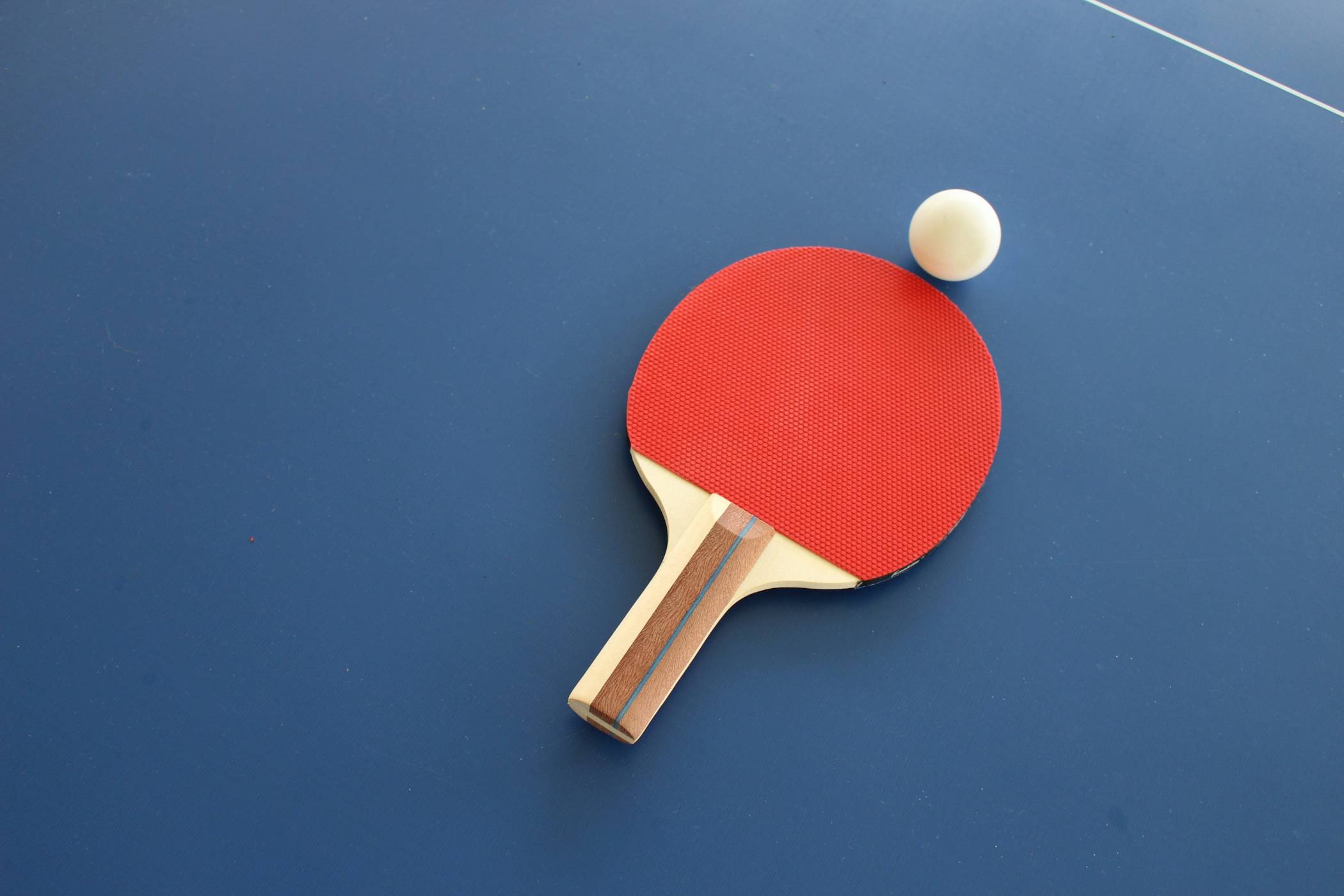
टेबल टेनिस ट्विस्ट, टैप और मूव्स की एक कला है जो विरोधियों को चकमा दे देती है।

Meerkats: Clever Guardians of the Desert
Meerkats aren’t ordinary “cats”—they’re small, agile members of the mongoose family, renowned for their intelligence and teamwork. Many people recognize them thanks to Timon from The Lion King, but in the wild, meerkats spend most of their lives underground in complex burrow systems.

Giraffe Evolution and Adaptations
Giraffes, easily recognized for their impressive height and exceptionally long necks, are among the most iconic animals on the planet. These distinctive traits enable them to reach food sources unavailable to other herbivores, making giraffes a compelling case for studying evolutionary adaptations.