फुल ब्रिफ
Meerkats: Clever Guardians of the Desert
Meerkats aren’t ordinary “cats”—they’re small, agile members of the mongoose family, renowned for their intelligence and teamwork. Many people recognize them thanks to Timon from The Lion King, but in the wild, meerkats spend most of their lives underground in complex burrow systems.
Sebastian Vale
डेस्क रिपोर्टर
कॉन्टेक्स्ट
पढ़ते समय संदर्भ नोट्स साथ रखे गए हैं।
लाइन
डेली सिग्नल
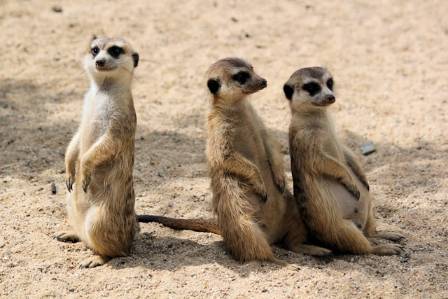
Meerkats aren’t ordinary “cats”—they’re small, agile members of the mongoose family, renowned for their intelligence and teamwork. Many people recognize them thanks to Timon from The Lion King, but in the wild, meerkats spend most of their lives underground in complex burrow systems.
They live in large groups called mobs or gangs, which can number up to 40 individuals. In these mobs, safety comes from numbers, and companionship is vital. Each mob consists of several family units, typically led by a dominant breeding pair, though unrelated meerkats can join the group. Grooming and playing are daily activities, helping maintain strong social bonds that are crucial for survival.
Burrow Life
Although meerkats are excellent diggers, they often occupy tunnels initially excavated by other animals, such as ground squirrels. A typical burrow network has around 15 entrances, with multiple chambers and levels, some reaching as deep as two meters (6.5 feet). The deepest tunnels stay cool in summer and warm in winter, providing a stable refuge. Mobs maintain several burrow systems within their territory, moving between them every few months.
Meerkats use scent glands under their tails to mark territory on rocks and plants. These territories often overlap with those of neighboring mobs, leading to disputes. When groups confront each other, fights can be deadly, though most conflicts involve posturing and bluffing first. During these standoffs, both mobs may line up across a stretch of land, leap in unison with tails erect, and kick their hind legs out like bucking broncos to intimidate rivals. Despite these territorial instincts, meerkats sometimes accept outsiders into their mob or share burrows with species like yellow mongooses (Cynictis penicillata).
Guard Duty and Predator Defense
Meerkats face threats from predators such as jackals, eagles, and falcons. To forage safely, adults take turns acting as sentries. The guard perches on a termite mound, bush, or rock, standing upright and signaling their role with a low, continuous “watchman’s song” when all is calm. Different alarm calls warn of aerial versus land predators. When danger arises, the mob bolts to the nearest tunnel, or “bolt hole,” which can hold many meerkats at once. Mobs may create dust clouds or group together to appear larger and deter attackers.
Meerkats also hunt dangerous snakes as a team. Venomous snakes that enter their tunnels are met with coordinated attacks, overwhelming the snake with bites until it retreats or is killed.
Daily Life and Foraging
Diurnal by nature, meerkats emerge at sunrise to bask and groom. Their thin fur and dark underbelly skin help regulate body temperature: they lie on their backs to warm up in the sun or on their stomachs to cool off. Foraging occupies most of their day, though they may rest during peak heat before returning to the main burrow at night.
Adaptations and Diet
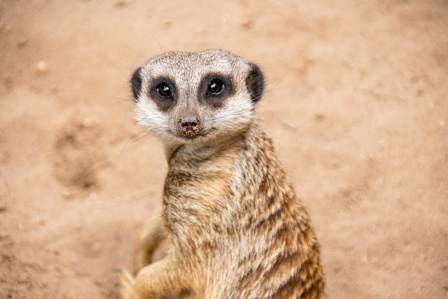
Meerkats are well-suited for life in the arid Kalahari Desert. Dark eye patches reduce glare, and horizontal pupils provide wide vision. Protective membranes cover their eyes while digging, and their ears close to keep sand out. Unlike most mongooses, they have four toes per foot and long, nonretractable claws for burrowing.
With a keen sense of smell, meerkats can locate prey underground. Their diet includes insects, spiders, snails, rodents, birds, eggs, lizards, and scorpions. Each mob patrols a territory of about 10 square kilometers (4 square miles), rotating hunting areas daily. While individuals gather most of their own food, mobs sometimes cooperate to tackle larger prey.
Family and Pup Care
Meerkats have a matriarchal society, with adult females slightly larger than males. The dominant female can produce multiple litters per year, usually during the rainy season (November to March). Pups are born blind, mostly hairless, and open their eyes after two weeks. They begin eating solid food at three weeks and venture outside at four weeks, fully weaned by nine weeks.
Adults teach pups what to eat and how to handle dangerous prey. For example, mothers may deliver scorpions with stingers removed so pups can safely learn to handle them. Babysitting is a shared responsibility within the mob, with adults caring for and transporting pups while the mother forages. Playtime and vocalizations, including peeping and twittering, help pups develop social and survival skills. More babysitters generally mean higher pup survival rates.
Conservation
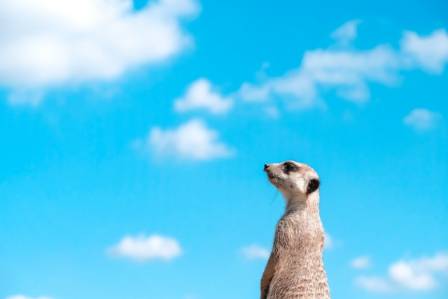
Meerkats are currently thriving in their native habitats. Their popularity in movies and media has led some to consider keeping them as pets, but like all wild animals, meerkats are not suitable for domestic life. Legal ownership requires permits, so the best way to observe these fascinating creatures is at a zoo or wildlife reserve, where they can be seen alert and active, scanning the skies for predators—and perhaps even for you.
अगली रिपोर्टें
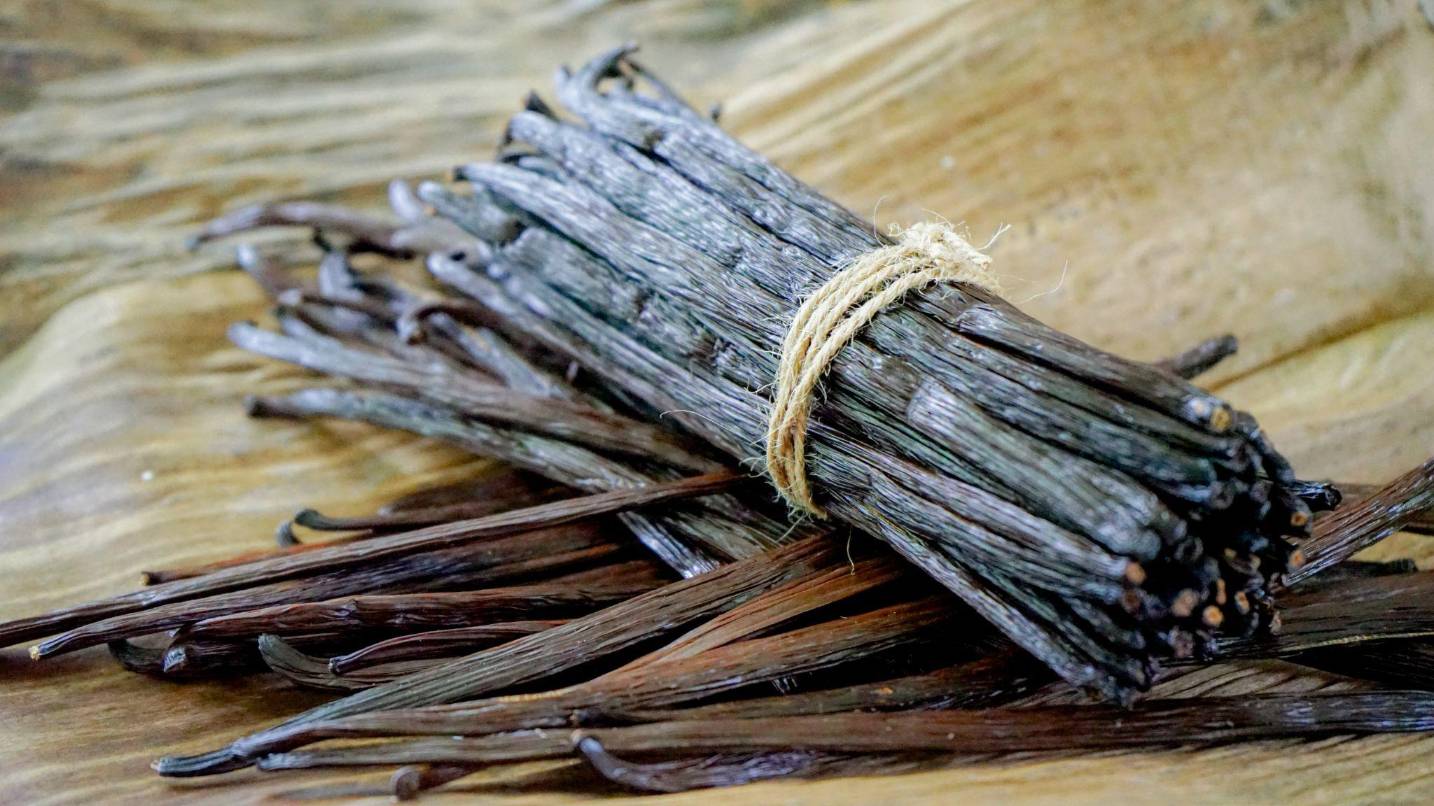
The World's 17 Most Lavish Ingredients
Indulge in a culinary journey through the world's most opulent and extravagant ingredients. These culinary gems are a testament to the heights of gastronomic luxury, far beyond your average grocery bill.

क्वींसलैंड हवाई मार्ग से: नीचे की संपदा का विहंगम दृश्य देखें
जब कोई राज्य अधिकांश देशों से बड़ा होता है और उसके विशाल विस्तार में विश्व-विरासत वर्षावन, चट्टानें और द्वीप होते हैं, तो वास्तविक रूप से इसकी भव्यता को समझना मुश्किल होता है। ऑस्ट्रेलिया के प्राकृतिक चमत्कारों, क्वींसलैंड के पैमाने को वास्तव में समझने के लिए, आपको ऊपर जाना होगा और इसे ऊपर से देखना होगा, जहाँ तक आपकी नज़र जा सकती है। चाहे आप एक तेज़-तर्रार हवाई यात्रा पसंद करते हों जो आपको रॉक स्टार जैसा महसूस कराती हो या अपनी सुबह की शुरुआत एक जगमगाते परिदृश्य पर एक स्वप्निल फ़्लोट के साथ करना चाहते हों, ऐसी कई गतिविधियाँ हैं जो आपको क्वींसलैंड की खूबसूरती के बारे में एक नया अनुभव देंगी। क्वींसलैंड की शानदार भूमि और समुद्री दृश्यों को देखने के कुछ बेहतरीन तरीके यहाँ दिए गए हैं।
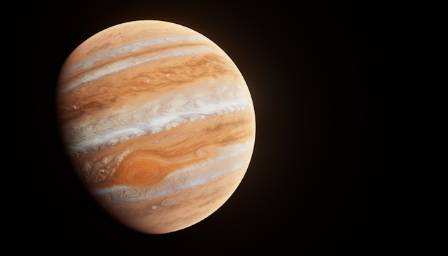
बृहस्पति का एक संक्षिप्त परिचय: सौर मंडल का सबसे बड़ा गैसीय ग्रह
बृहस्पति हमारे खगोलीय समूह का सबसे विशाल ग्रह है, जिसका व्यास 142,984 किलोमीटर है, जो पृथ्वी की चौड़ाई से लगभग ग्यारह गुना अधिक है। इसके विशाल आकार का अंदाजा लगाना मुश्किल है; यह ग्रह सौर मंडल के सभी ग्रहों के कुल वजन से दोगुने से भी अधिक भारी है। इसके आयतन की कल्पना करने के लिए, एक बृहस्पति के स्थान को भरने के लिए 1,321 पृथ्वी की आवश्यकता होगी। परिणामस्वरूप, इसका सतही क्षेत्रफल लगभग 61.5 अरब वर्ग किलोमीटर है, और इसका गुरुत्वाकर्षण बल हमारी पृथ्वी के गुरुत्वाकर्षण बल से 2.5 गुना अधिक है।

2026 में 9 सबसे अच्छी डेक बोट्स
जहाज पानी पर सरकता हुआ खुले आसमान के नीचे सफेद झाग का निशान छोड़ता हुआ आगे बढ़ता है।

Best Sports Cars for 2025 and 2026
Despite the dominance of SUVs on the roads, there's still a lot of excitement to be found in the world of sports cars.
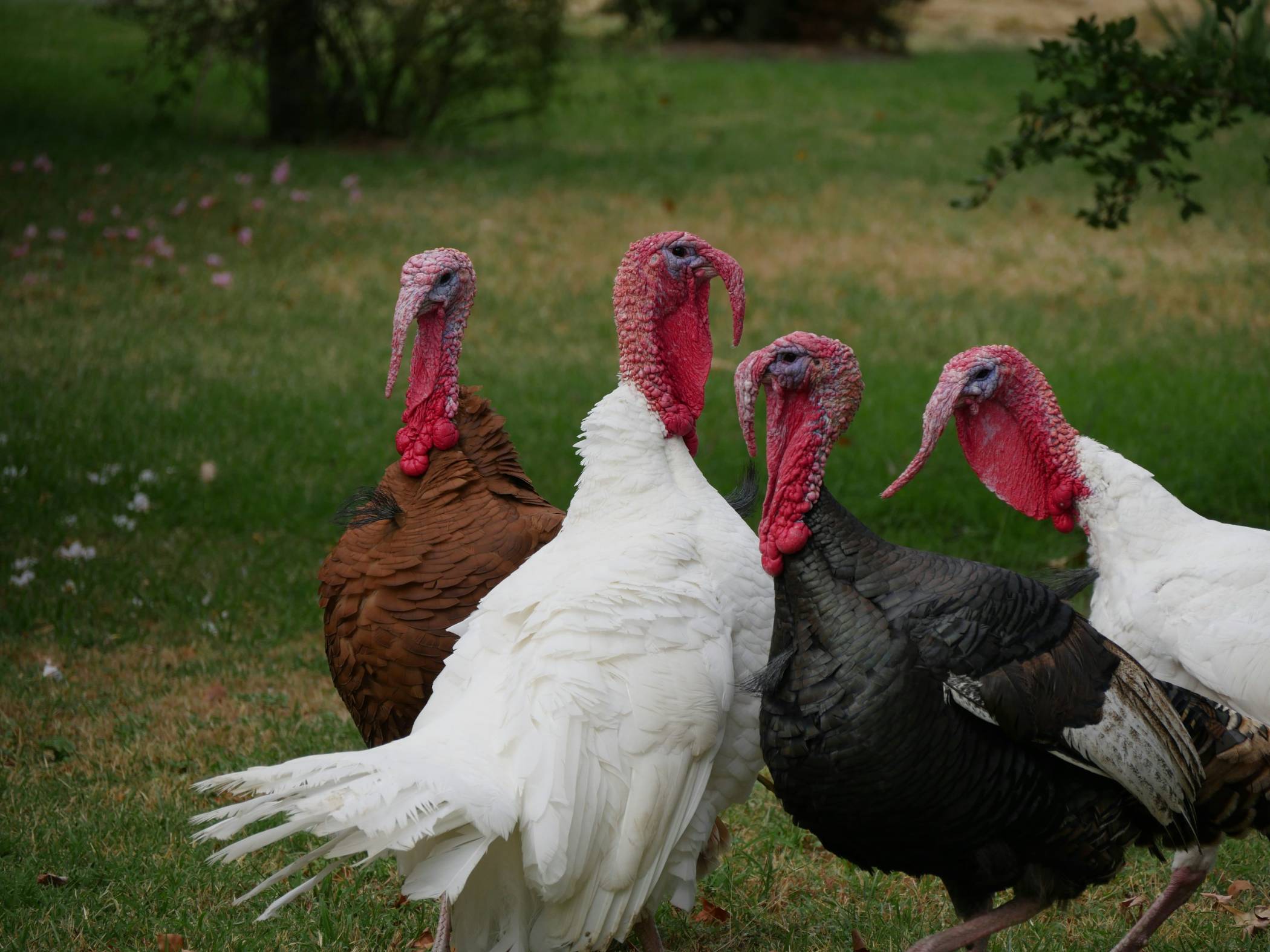
शीर्ष 10 खेत जानवर
मैं इस लेख को यह कहते हुए प्रस्तावित करना चाहूंगा कि ये रैंकिंग निष्पक्ष रूप से सही हैं और यदि आप मेरी रैंकिंग से असहमत हैं तो आप गलत हैं। इसके साथ।