← डेस्क पर लौटें9 मिनट का ब्रिफ

फुल ब्रिफ

DIY Skateboarding: The Grassroots Movement Redefining Skate Culture

DIY skateboarding isn’t just a way to create places to skate—it’s a rebellious, creative movement that lies at the heart of skate culture, blending resourcefulness, community, and unapologetic self-expression. Unlike traditional skateboarding, which often relies on commercial skateparks or pre-existing urban features (like handrails or curbs), DIY skateboarding empowers riders to build their own obstacles, ramps, and entire skate spots from scratch. It’s born from a simple yet powerful idea: if the world doesn’t give you a place to skate, you build it yourself. From abandoned warehouses and overgrown lots to backyard corners and industrial alleyways, DIY spots are more than just concrete and wood—they’re symbols of skateboarding’s independent spirit, where rules are rewritten, and passion drives innovation. This guide dives deep into the world of DIY skateboarding, exploring its rich history, vibrant culture, step-by-step building process, rewards, challenges, and future—proving that skateboarding is as much about creating as it is about riding.

C

Charlotte

डेस्क रिपोर्टर

कॉन्टेक्स्ट

पढ़ते समय संदर्भ नोट्स साथ रखे गए हैं।

लाइन

डेली सिग्नल
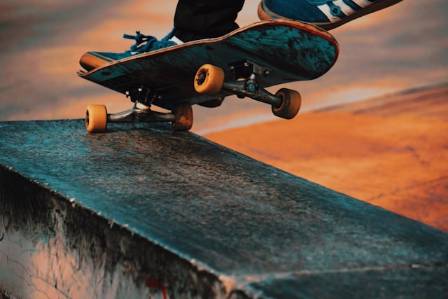
DIY skateboarding isn’t just a way to create places to skate—it’s a rebellious, creative movement that lies at the heart of skate culture, blending resourcefulness, community, and unapologetic self-expression. Unlike traditional skateboarding, which often relies on commercial skateparks or pre-existing urban features (like handrails or curbs), DIY skateboarding empowers riders to build their own obstacles, ramps, and entire skate spots from scratch. It’s born from a simple yet powerful idea: if the world doesn’t give you a place to skate, you build it yourself. From abandoned warehouses and overgrown lots to backyard corners and industrial alleyways, DIY spots are more than just concrete and wood—they’re symbols of skateboarding’s independent spirit, where rules are rewritten, and passion drives innovation. This guide dives deep into the world of DIY skateboarding, exploring its rich history, vibrant culture, step-by-step building process, rewards, challenges, and future—proving that skateboarding is as much about creating as it is about riding.

1.The Origins of DIY Skateboarding: Necessity Meets Rebellion

DIY skateboarding’s roots stretch back to the 1970s, a era when skateboarding was still a niche, misunderstood pastime with few dedicated spaces. In California—where skate culture first exploded—public skateparks were scarce, and cities often criminalized skateboarding in urban areas, labeling riders as “nuisances” for using sidewalks, plazas, or parking lots. Faced with this lack of access, skaters took matters into their own hands, repurposing whatever spaces and materials they could find. The iconic Z-Boys (a legendary skate crew from Santa Monica) famously rode drained swimming pools in the 1970s, turning residential backyards into makeshift skateparks that laid the groundwork for modern vertical skating. These early DIY efforts weren’t just about finding a place to ride—they were acts of rebellion against a world that refused to accommodate their passion. As skateboarding grew in popularity, the DIY ethos persisted: in the 1980s and 1990s, skaters in cities like Portland, Philadelphia, and New York began building permanent concrete spots in abandoned industrial areas, using stolen or donated materials to craft ledges, banks, and quarter pipes. Spots like Burnside (Portland) and FDR (Philadelphia) started as illegal DIY projects but eventually gained cultural significance, becoming iconic destinations for skaters worldwide and proving that DIY skateboarding wasn’t just a temporary solution—it was a lasting part of skate culture.

2.The Culture of DIY Skateboarding: Community, Creativity, and Ownership

At its core, DIY skateboarding is a culture built on three pillars: creativity, community, and ownership. Unlike commercial skateparks, which are designed by engineers and built for mass appeal, DIY spots are crafted by skaters for skaters—meaning every ledge height, ramp angle, and obstacle layout is tailored to the needs and style of the local crew. This creativity extends beyond design: skaters often repurpose discarded materials (old plywood, scrap metal, broken bricks) into functional obstacles, turning “trash” into treasure. The culture also fosters a fierce sense of community—building a DIY spot is almost always a collaborative effort, with local skaters gathering on weekends to mix concrete, lift lumber, and fine-tune obstacles. These workdays are as much about bonding as they are about construction: skaters share stories, teach each other skills, and celebrate small wins (like pouring a perfect ledge or installing a smooth coping). This shared labor creates a deep sense of ownership—skaters don’t just ride the spot; they care for it, maintain it, and defend it. Unlike commercial parks, where riders might feel like strangers, DIY spots feel like “home” to the crew that built them, fostering a supportive environment where beginners are encouraged to learn and pros push their limits. The culture also embraces skateboarding’s rebellious spirit: DIY spots exist outside the rules of mainstream society, often in legal gray areas, and skaters take pride in this independence—proving that skateboarding doesn’t need corporate sponsorship or official approval to thrive.

3.Building a DIY Skate Spot: A Step-by-Step Guide to Crafting Your Ride

Building a DIY skate spot is a labor of love that requires planning, resourcefulness, and physical effort—but the reward of riding something you built with your own hands is unmatched. While every spot is unique, the process follows a general framework that balances functionality, safety, and creativity. First, find a location: ideal spots are secluded (to avoid interference from authorities or property owners), flat, and have a solid base (like concrete or compacted dirt). Abandoned lots, underpasses, industrial yards, or even your own backyard are great options—just be sure to scout the area for hazards (like sharp metal, uneven ground, or drainage issues) and assess whether it’s accessible (you’ll need to transport materials). Next, plan your design: sketch out your vision, considering the space available and the types of obstacles you want to build. Common DIY obstacles include quarter pipes (for vertical tricks), ledges (for grinds), manual pads (for balancing tricks), banks (for smooth transitions), and funboxes (multi-purpose structures). Keep the design functional—ensure obstacles are spaced evenly to allow for “lines” (sequences of tricks) and that heights are appropriate for your skill level (start small if you’re a beginner). Gather materials: concrete (for durability), pressure-treated plywood (for ramps), metal coping (for ledges), bricks (for support), and tools (shovels, drills, saws, levels) are essentials. You can source materials cheaply by visiting construction sites (ask for scrap wood or concrete), recycling centers, or online marketplaces like Craigslist—many skaters also pool resources with their crew to split costs. Construction is the hardest part: start by preparing the base (level the ground and compact it), then build the frame (use 2x4s for wooden structures) and add the surface (plywood for ramps, concrete for ledges). For concrete obstacles, mix the concrete thoroughly (follow the instructions on the bag) and pour it smoothly, using a trowel to create a flat surface—let it cure for at least 72 hours before skating. Finally, add finishing touches: install coping (metal strips that line ledges for grinds), sand down rough edges, and paint the obstacles (optional, but adds personality). Safety is key—ensure all structures are stable (no wobbly ramps or loose nails) and wear protective gear (helmets, knee pads, gloves) during construction and skating.

4.The Benefits of DIY Skateboarding: More Than Just a Place to Skate
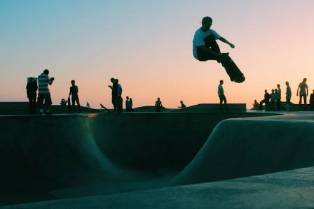
DIY skateboarding offers benefits that extend far beyond having a spot to ride—touching on personal growth, community development, and cultural enrichment. For individual skaters, it’s a crash course in creativity and problem-solving: designing a spot requires thinking outside the box, adapting to limited materials, and troubleshooting issues (like a lopsided ramp or cracked concrete). Building obstacles also develops practical skills—carpentry, concrete work, and tool use—that are valuable in everyday life. Riding a DIY spot also boosts confidence: mastering a trick on something you built yourself feels more meaningful than doing it in a commercial park, as it’s a testament to your hard work and resilience. For the community, DIY skateboarding fosters connection: building a spot brings skaters together, creating a support network that extends beyond the board. Many DIY crews organize clean-up days, skill-sharing sessions, and fundraisers to maintain their spot, strengthening bonds and giving back to the local area. DIY spots also make skateboarding more accessible: in areas where commercial parks are expensive or non-existent, DIY spots provide a free, inclusive space for riders of all ages and skill levels—breaking down barriers to entry. Culturally, DIY skateboarding keeps skateboarding authentic: in an era where the sport is increasingly commercialized (with Olympic recognition and corporate sponsorships), DIY spots remind us that skateboarding’s core is about passion, not profit. They’re also hotbeds of innovation—many iconic skate tricks were invented in DIY spots, where skaters experiment with unique obstacles that wouldn’t exist in commercial parks.

5.The Challenges of DIY Skateboarding: Navigating Risks and Roadblocks

While DIY skateboarding is rewarding, it’s not without its challenges—from legal issues to physical risks. Legal concerns are the biggest hurdle: building a spot on public or private property without permission is often illegal, and skaters risk fines, trespassing charges, or having their spot destroyed by authorities. Even iconic spots like Burnside faced legal battles in their early days, with skaters fighting to keep their creation alive. Some spots have successfully transitioned from illegal to legal—cities like Portland eventually recognized Burnside’s cultural value and designated it as an official skatepark—but this is rare. Financial costs can also be a barrier: while DIY skateboarding is cheaper than building a commercial park, materials and tools still add up—concrete, coping, and lumber can cost hundreds (or thousands) of dollars, especially for larger spots. Physical labor is another challenge: mixing concrete, lifting heavy materials, and building structures is physically demanding, and injuries (like strains, cuts, or falls) are common during construction. Maintenance is also an ongoing issue: DIY spots are exposed to the elements (rain, snow, sun) and wear and tear from skating, so they require regular upkeep—patching cracks, replacing rotted wood, and re-pouring concrete. Vandalism is another risk: some people may destroy or deface DIY spots, either out of ignorance or malice, forcing skaters to rebuild what they’ve lost. Despite these challenges, skaters continue to build DIY spots because the benefits—community, creativity, and independence—far outweigh the risks.

6.The Future of DIY Skateboarding: From Underground to Mainstream Acceptance

The future of DIY skateboarding looks bright, as the movement continues to grow and gain mainstream recognition. Social media has played a key role in this growth: skaters share photos and videos of their DIY spots on TikTok, Instagram, and YouTube, inspiring riders worldwide to build their own. Platforms like DIY Skateparks (a website dedicated to sharing plans and tutorials) have also made it easier for beginners to get started, providing step-by-step guides and material lists. Cities are also starting to embrace DIY skateboarding: some municipalities now offer permits for DIY spots, recognizing their value as community spaces and alternatives to expensive commercial parks. For example, New York City’s “DIY Skatepark Initiative” provides funding and support for community-led skate projects, while London’s South Bank Skate Park—originally a DIY spot—was officially protected by the city in 2014. As skateboarding becomes more mainstream (it’s now an Olympic sport), the DIY ethos remains a vital part of its identity, reminding new riders of the sport’s roots in rebellion and creativity. The future will likely see more collaboration between skaters and cities, as well as innovations in materials (like eco-friendly concrete or modular obstacles) that make DIY spots more sustainable and accessible. One thing is certain: DIY skateboarding will never lose its core spirit—no matter how popular skateboarding becomes, there will always be skaters building their own spots, pushing boundaries, and keeping the sport authentic.

7.Conclusion: DIY Skateboarding as a Way of Life
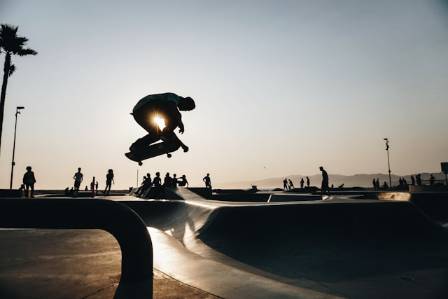
DIY skateboarding is more than a hobby or a movement—it’s a way of life that embodies the best of skate culture: creativity, resilience, community, and independence. It’s about taking control of your environment, refusing to accept “no” for an answer, and finding joy in the process of creation. Whether you’re a beginner building a small ramp in your backyard or part of a crew crafting a full-scale DIY park, the act of building connects you to skateboarding’s rich history and to the global community of riders who share your passion. DIY spots are more than just places to skate—they’re symbols of what happens when people come together to pursue a common goal, proving that skateboarding isn’t just about tricks or competitions; it’s about community, self-expression, and the courage to build something from nothing. Despite the challenges, the DIY movement continues to thrive, inspiring new generations of skaters to embrace their creativity and fight for their right to ride. In the end, DIY skateboarding is a testament to the enduring spirit of skateboarding: it’s not where you skate, but how you skate—and who you skate with—that matters.

अगली रिपोर्टें

छाया फोटोग्राफी के रहस्यों को जानें

छाया फोटोग्राफी के रहस्यों को जानें

छायाओं द्वारा निर्मित आकृतियां और पैटर्न किसी तस्वीर में गहराई और आकर्षण जोड़ सकते हैं या स्वयं एक केन्द्र बिन्दु बन सकते हैं। इन विशेषज्ञ फोटोग्राफी युक्तियों से नाटकीय छायाओं को कैद करना सीखें।
मेलोडी इन स्टाइल: संगीत और फैशन का गतिशील मेल

मेलोडी इन स्टाइल: संगीत और फैशन का गतिशील मेल

द बिजनेस स्टैंडर्ड संगीत और फैशन के बीच के मनोरम संबंध की पड़ताल करता है – जहां संगीत एक शक्तिशाली उत्प्रेरक के रूप में उभरा है, जो सांस्कृतिक क्रांतियों और शैली में उल्लेखनीय परिवर्तनों का निर्देशन करता है। संगीत उद्योग के प्रशंसकों का एक समर्पित अनुसरण है। और इन प्रशंसकों ने बार-बार उत्साह के नए मानदंड स्थापित किए हैं, अपने पसंदीदा संगीत कलाकारों के प्रति अपने प्रेम को व्यक्त करने के लिए हर संभव प्रयास किया है। उदाहरण के लिए, टेलर स्विफ्ट के प्रशंसकों को "स्विफ्टीज़" के नाम से जाना जाता है। उनमें से जिन्हें उनके एरास टूर के लिए टिकट नहीं मिल सके, उन्होंने कॉन्फ़ेटी, रेन पोंचो और यहां तक कि कॉन्सर्ट की "प्रामाणिक हवा" जैसे अजीबोगरीब सामान खरीदने का सहारा लिया। यह लगभग पूजा के एक रूप जैसा है, जहां प्रशंसक कलाकारों को उनकी प्रतिभा और प्रसिद्धि के लिए सम्मानित करते हैं। फैशन उद्योग ने लंबे समय से इस घटना को पहचाना है और अपने संग्रह को बढ़ावा देने के लिए संगीतकारों के साथ सहयोग किया है ताकि उनकी लोकप्रियता का लाभ उठाया जा सके। ऐसे कई उदाहरण मौजूद हैं जहां फैशन ब्रांड्स ने वैश्विक रॉकस्टार्स के साथ मिलकर उल्लेखनीय सहयोग किया है, जो दोनों पक्षों के लिए फायदेमंद साबित हुए हैं। इन साझेदारियों के परिणामस्वरूप ऐसे अभूतपूर्व संग्रह सामने आए हैं, जिन्होंने फैशन उद्योग पर स्थायी प्रभाव छोड़ा है।

Sea Turtle Facts

Sea Turtle Facts

Sea turtles are reptiles perfectly adapted to life in the ocean. Their streamlined bodies, large size, and strong front flippers allow them to dive deeply and travel long distances. These front flippers are elongated, narrow, and shaped like wings, while the rear flippers are shorter. Although sea turtles can stay underwater for several hours while resting, they usually come up multiple times each hour to breathe.
Top 6 Waterfront Destinations in the United States

Top 6 Waterfront Destinations in the United States

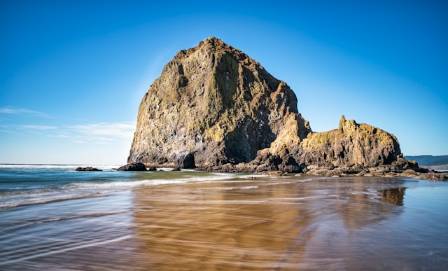
If you're yearning for some rest and relaxation, consider a getaway to a waterfront town or city, where you can unwind, bask in the balmy breeze from rivers or oceans (including bays and gulfs), and explore the unique charm of these picturesque locations. From charming New England beach towns to historic Southern cities, the United States boasts a variety of waterfront locales, each offering a delightful mix of activities, delectable food and drink options, and breathtaking waterfront views.
2025 BMW M5 Touring vs. Audi RS6 Avant Performance: A Fresh Comparison

2025 BMW M5 Touring vs. Audi RS6 Avant Performance: A Fresh Comparison

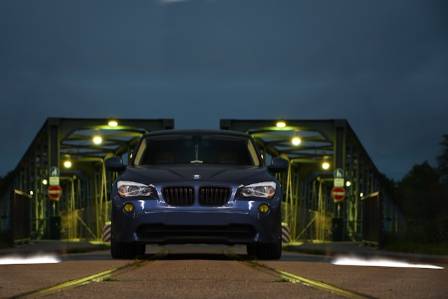
BMW and Audi each have their own take on what a high-performance wagon should be. The new 2025 M5 Touring enters the U.S. market as the latest German beast, facing off against the well-established RS6 Avant Performance. These two wagons are fixtures in the performance world — combining utility, speed, luxury — so it’s natural to ask: which one comes out ahead?

Giraffe Evolution and Adaptations

Giraffe Evolution and Adaptations

Giraffes, easily recognized for their impressive height and exceptionally long necks, are among the most iconic animals on the planet. These distinctive traits enable them to reach food sources unavailable to other herbivores, making giraffes a compelling case for studying evolutionary adaptations.