फुल ब्रिफ
Russian Architecture Through the Centuries
Russian architecture reflects more than a thousand years of cultural development, shaped by geography, religion, and historical change. Over the centuries, it evolved into a distinctive architectural tradition that combines influences from the Byzantine world with native Slavic building practices.
Elijah Michael Garcia
डेस्क रिपोर्टर
कॉन्टेक्स्ट
पढ़ते समय संदर्भ नोट्स साथ रखे गए हैं।
लाइन
डेली सिग्नल
Understanding Russian Architecture
Russian architecture reflects more than a thousand years of cultural development, shaped by geography, religion, and historical change. Over the centuries, it evolved into a distinctive architectural tradition that combines influences from the Byzantine world with native Slavic building practices.
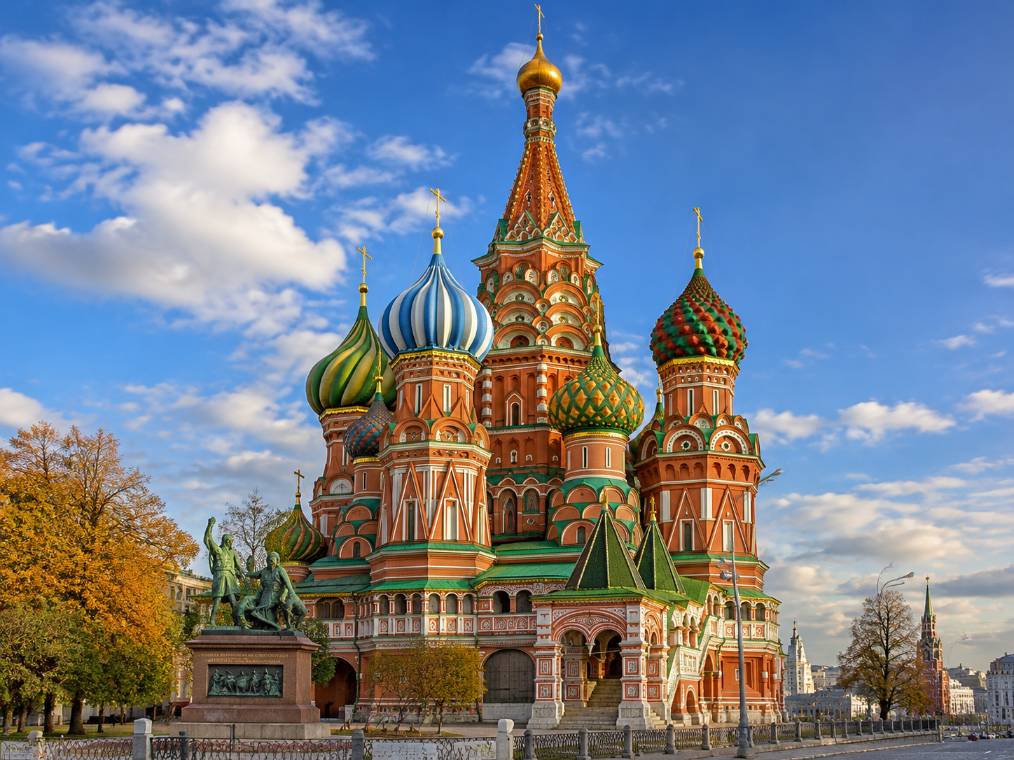
Among its most recognizable features are the colorful onion-shaped domes that crown many churches and cathedrals. While visually striking, these domes also serve a practical purpose, helping snow and rain slide off easily during Russia’s long winters.
From simple wooden churches in rural settlements to magnificent imperial palaces in major cities, Russian architecture has continually adapted to local conditions. Builders relied heavily on materials such as timber and stone, designing structures capable of withstanding harsh climates and vast geographic distances.
One of the defining characteristics of Russian architecture is its ability to absorb foreign influences while transforming them into something uniquely Russian. Byzantine religious traditions, European artistic styles, and local construction techniques merged over time to create buildings that are both functional and visually distinctive.
The Byzantine Foundation
The arrival of Christianity in the late tenth century introduced Byzantine architectural principles that would profoundly influence Russian building traditions for centuries.
Key features inherited and adapted from Byzantine architecture include:
-
Onion-shaped domes developed from Byzantine cupolas and became better suited to snowy climates.
-
Cross-in-square church plans centered around a main dome supported by four pillars.
-
Rich interior decoration featuring mosaics, icons, and gold backgrounds.
-
Massive stone walls designed for strength and durability.
-
Relatively small windows that helped retain warmth during cold winters.
-
Elaborate iconostases separating the sanctuary from the main worship area.
-
Multiple domes symbolizing heavenly and spiritual themes.
-
Extensive use of brick as a primary construction material.
-
Strong religious symbolism incorporated into every aspect of design.
These architectural elements became the foundation of Russian Orthodox church construction and gradually evolved to reflect local traditions and environmental conditions.
The Evolution of Russian Architecture
Throughout history, Russian architecture passed through several important phases, each shaped by political developments, cultural influences, and changing artistic tastes.
1. Pre-Mongol Era (10th–13th Centuries)
During this period, architecture was heavily influenced by Byzantine models. Stone buildings gradually replaced earlier wooden structures in important religious and civic projects.
One of the finest examples is the Saint Sophia Cathedral, Novgorod, known for its massive walls, restrained decoration, and fortress-like appearance. Buildings from this era established many of the characteristics associated with early Russian Orthodox architecture.
2. Mongol Era (13th–15th Centuries)
The Mongol invasion disrupted architectural development across much of Russia. Construction activity declined, and many projects focused on defense rather than ornamentation.
Fortified monasteries and kremlins became increasingly important. Buildings featured thicker walls, simpler designs, and enhanced protective features. Early sections of the Moscow Kremlin reflect the practical architectural priorities of this period.
3. Muscovite Era (15th–17th Centuries)
This period marked the emergence of a distinctly Russian architectural identity. Builders moved beyond Byzantine traditions and developed more elaborate forms and decorative styles.
Colorful onion domes became widespread, tent-shaped roofs appeared, and brick construction flourished. The most celebrated example is Saint Basil's Cathedral, whose vibrant colors, multiple domes, and imaginative design symbolize the golden age of traditional Russian architecture.
4. Imperial Era (18th–19th Centuries)
Under the reforms of Peter the Great, Russia embraced European architectural movements such as Baroque and Neoclassicism.
Magnificent palaces, grand public buildings, and elegant urban planning transformed the architectural landscape. The Winter Palace exemplifies this period, combining European sophistication with the monumental scale favored by Russian rulers. During this era, Saint Petersburg emerged as a showcase of imperial ambition and architectural excellence.
5. Soviet Era (20th Century)
The Soviet period introduced radically different architectural priorities. Constructivism emphasized functionality and modern industrial aesthetics, while Socialist Realism favored monumental structures designed to express state power and collective achievement.
Large residential complexes, government buildings, and public infrastructure projects became dominant features of the urban landscape. One of the most remarkable achievements of this era is the Moscow Metro, whose stations combine practical transportation functions with impressive artistic decoration and grand architectural design.
A Lasting Architectural Legacy
Russian architecture represents a fascinating blend of Eastern and Western influences, religious symbolism, engineering innovation, and adaptation to a demanding environment. From medieval cathedrals and fortified kremlins to imperial palaces and Soviet monuments, each era has contributed to a rich architectural heritage that continues to define Russia’s cultural identity and inspire visitors from around the world.
अगली रिपोर्टें

नींबू 101: पोषण तथ्य और स्वास्थ्य लाभ
हालाँकि नींबू अपने आप में खट्टे होते हैं, लेकिन आप उन्हें गार्निश के रूप में खाने में मिला सकते हैं या नींबू पानी के रूप में उनका रस पी सकते हैं। उनमें साइट्रिक एसिड जैसे शक्तिशाली पौधे यौगिक होते हैं, जो स्वास्थ्य लाभ प्रदान कर सकते हैं। नींबू (साइट्रस लिमोन) दुनिया के सबसे लोकप्रिय खट्टे फलों में से एक हैं। वे नींबू के पेड़ों पर उगते हैं और मूल साइट्रॉन और नींबू का संकर हैं। नींबू का आनंद लेने के कई तरीके हैं, लेकिन उनका स्वाद बहुत खट्टा होता है और आमतौर पर उन्हें अकेले या पूरे फल के रूप में नहीं खाया जाता है। इसके बजाय, वे अक्सर भोजन के साथ गार्निश करते हैं, और उनके रस का उपयोग अक्सर खट्टा स्वाद प्रदान करने के लिए किया जाता है। वे नींबू पानी में एक प्रमुख घटक हैं। विटामिन सी और फाइबर का एक बड़ा स्रोत, नींबू में कई पौधे यौगिक, खनिज और आवश्यक तेल होते हैं। इन पीले फलों के कई संभावित स्वास्थ्य लाभ भी हैं। नींबू खाने से हृदय रोग, कैंसर और गुर्दे की पथरी का खतरा कम हो सकता है। यह लेख आपको नींबू के बारे में वह सब कुछ बताता है जो आपको जानना चाहिए। पोषण संबंधी तथ्य नींबू में बहुत कम वसा और प्रोटीन होता है। इनमें मुख्य रूप से कार्ब्स (10%) और पानी (88-89%) होते हैं। एक मध्यम आकार का नींबू केवल 20 कैलोरी प्रदान करता है। कच्चे, छिलके वाले नींबू के 1/2 कप (100 ग्राम) में पोषक तत्व होते हैं (1विश्वसनीय स्रोत): कैलोरी: 29 पानी: 89% प्रोटीन: 1.1 ग्राम कार्ब्स: 9.3 ग्राम चीनी: 2.5 ग्राम फाइबर: 2.8 ग्राम वसा: 0.3 ग्राम कार्ब्स नींबू में कार्बोहाइड्रेट मुख्य रूप से फाइबर और सरल शर्करा, जैसे ग्लूकोज, फ्रुक्टोज और सुक्रोज (2विश्वसनीय स्रोत) से बने होते हैं। फाइबर नींबू में मुख्य फाइबर पेक्टिन होता है। पेक्टिन जैसे घुलनशील फाइबर चीनी और स्टार्च के पाचन को धीमा करके रक्त शर्करा के स्तर को कम कर सकते हैं (3विश्वसनीय स्रोत)। आहार फाइबर एक स्वस्थ आहार का एक महत्वपूर्ण हिस्सा हैं और कई स्वास्थ्य लाभों से जुड़े हैं (3विश्वसनीय स्रोत, 4विश्वसनीय स्रोत)।

The Impala: A Comprehensive Profile of Africa’s Agile Antelope
The impala (Aepyceros melampus) is a medium-sized African antelope recognized for its elegant form and extraordinary athletic capabilities. Belonging to the Bovidae family, its scientific name reflects its most distinctive physical features: "Aepyceros" refers to its long, lyre-shaped horns, while "melampus" translates to "black-footed."

2025 BMW M5 Touring vs. Audi RS6 Avant Performance: A Fresh Comparison
BMW and Audi each have their own take on what a high-performance wagon should be. The new 2025 M5 Touring enters the U.S. market as the latest German beast, facing off against the well-established RS6 Avant Performance. These two wagons are fixtures in the performance world — combining utility, speed, luxury — so it’s natural to ask: which one comes out ahead?

8 Beautiful Coastal Destinations Around the Globe You Shouldn't Miss
There's an undeniable allure to the ocean, which is why beach getaways are immensely popular among travelers. Across the world, you'll discover that some of the most vibrant locales and quaint villages are nestled along the coastline, seemingly designed to enhance the already stunning scenery.

13 Outstanding Doughnuts, Ranked From Great to Legendary
Fried dough has taken countless forms throughout history, but some versions stand out above the rest. This list narrows down a baker’s dozen of the most iconic and delicious doughnuts—each beloved for its flavor, nostalgia, or pure decadence.
एफिल टॉवर के बारे में 5 रोचक तथ्य और राज
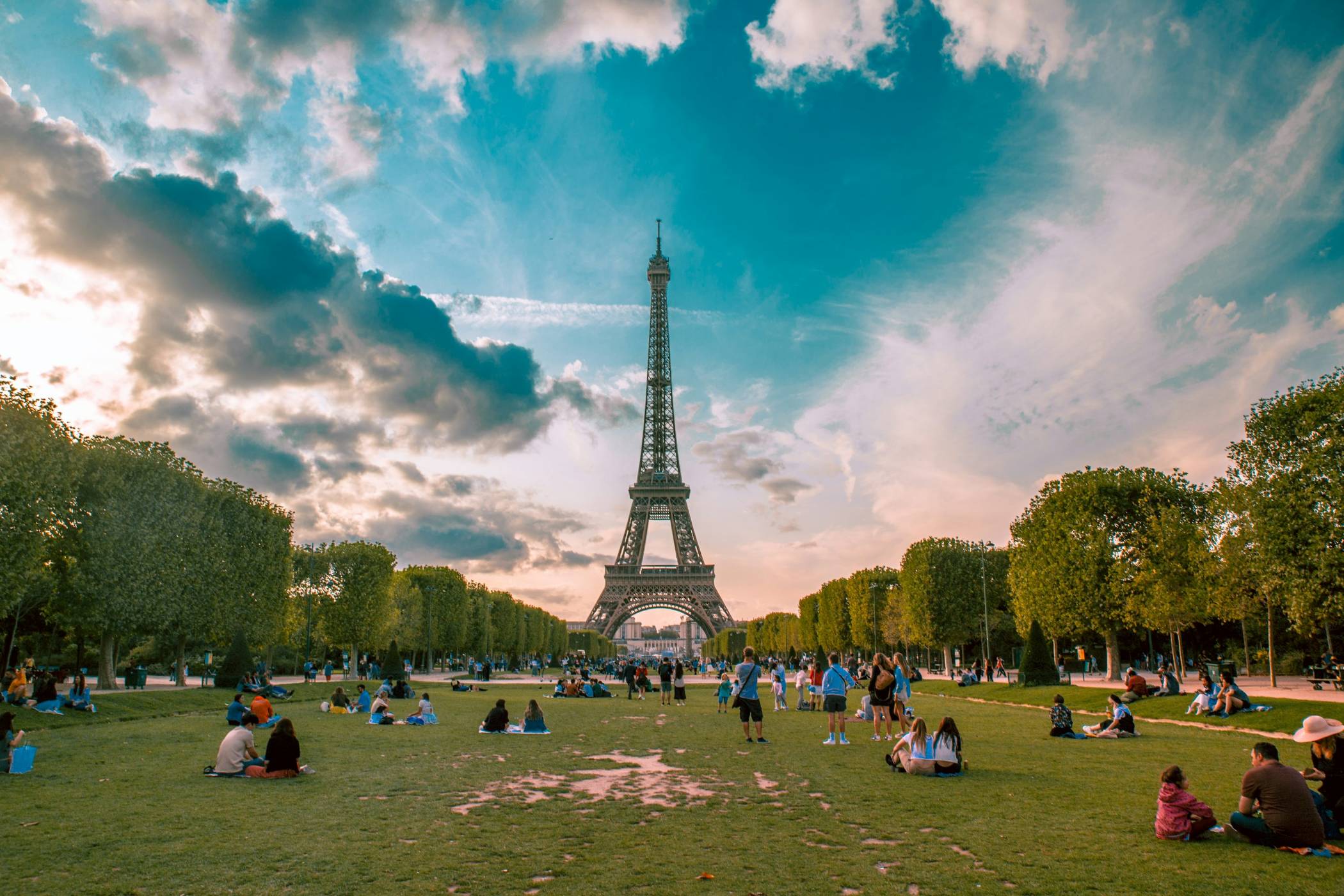
जब गुस्ताव एफिल 1885 में इस परियोजना पर काम कर रहे थे, तो उन्होंने इस स्मारक का नाम "300-मीटर आयरन टॉवर" रखा था—यह नाम काफी लंबा था, हालांकि फ्रेंच में यह थोड़ा melodious लगता है। आम बातचीत में, इसे "मिस्टर एफिल का टॉवर" कहा जाने लगा और "एफिल टॉवर" ने जल्द ही लोकप्रिय शब्दावली में जगह बना ली।