फुल ब्रिफ
Essential Facts About the Arctic Fox: Survival in the Polar Wilderness
The Arctic fox is a master of survival, engineered by nature to endure some of the most unforgiving climates on Earth. While their global population remains robust, with several hundred thousand individuals currently classified as a species of "least concern," they face unique ecological challenges. Understanding their biology, hunting techniques, and the environmental shifts affecting their habitat is crucial for the conservation of the polar North.
Isla Turner
डेस्क रिपोर्टर
कॉन्टेक्स्ट
पढ़ते समय संदर्भ नोट्स साथ रखे गए हैं।
लाइन
डेली सिग्नल
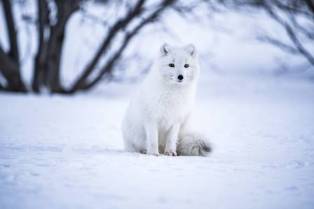
The Arctic fox is a master of survival, engineered by nature to endure some of the most unforgiving climates on Earth. While their global population remains robust, with several hundred thousand individuals currently classified as a species of "least concern," they face unique ecological challenges. Understanding their biology, hunting techniques, and the environmental shifts affecting their habitat is crucial for the conservation of the polar North.
Diverse Subspecies and Geographic Range
Scientific research identifies eight distinct subspecies of the Arctic fox, categorized primarily by their geographic locations and genetic markers. These include the Mainland Arctic fox (Vulpes lagopus lagopus), as well as island-specific variations such as those found in Iceland, Greenland, Spitsbergen, Hall Island, Bering Island, and the Pribilof Islands. A final subspecies inhabits the Ungava Bay region. This diversity reflects the species' ability to colonize and adapt to isolated environments across the Northern Hemisphere.
The Lemming Cycle and Predator-Prey Dynamics
Inland populations of Arctic foxes are fundamentally tied to lemmings. This predator-prey relationship is so intense that fox populations naturally fluctuate in synchronization with lemming numbers. When lemming populations peak, fox numbers rise; conversely, when lemming numbers inevitably crash as part of their natural cycle, the foxes face periods of extreme vulnerability. This dependency highlights how even stable species rely on a delicate ecological balance.
Biological Adaptations for Extreme Cold
Living in the alpine and Arctic tundra requires specialized anatomy. Arctic foxes are notably more compact and stouter than their cousins in the fox family. This reduced surface area helps minimize the loss of vital body heat. Their fur is among the most effective insulation in the animal kingdom, thickening significantly during the winter months. Because of these physical adaptations, Arctic foxes do not need to hibernate, remaining active throughout the brutal polar winter.
Seasonal Camouflage and Skin Pigmentation
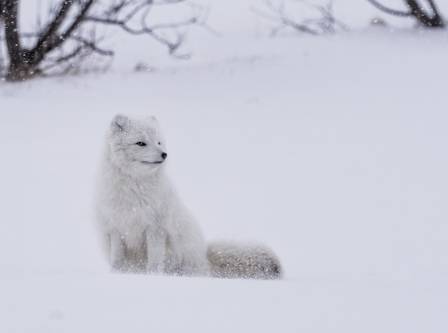
The Arctic fox is famous for its color-changing coat. In winter, they grow a dense, iconic white fur that provides both warmth and camouflage against the snow. As summer approaches and the landscape thaws, they shed this layer for a shorter, thinner coat that ranges from charcoal brown to bluish-gray, allowing them to blend into the rocks and tundra. Beneath this fur lies dark-colored skin. Similar to polar bears, this dark pigmentation is an evolutionary advantage designed to absorb and retain as much solar heat as possible.
Expert Hunting and Snow-Diving Techniques
To catch prey hidden beneath the surface, the Arctic fox has developed a specialized hunting maneuver. Since lemmings live in tunnel systems deep under the snow, the fox uses its acute sense of hearing to pinpoint their movements. By tilting its head to triangulate the sound, the fox can leap high into the air and perform a vertical "nose-dive" into the snow to ambush its target. While it often requires multiple attempts, this technique is essential for survival when surface prey is scarce.
Dietary Flexibility and Scavenging Habits
Survival in the Arctic requires a lack of pickiness. While small mammals like voles and lemmings are preferred, these foxes consume a wide variety of food, including eggs, insects, berries, seaweed, and various birds. During the most difficult winter months when hunting is nearly impossible, Arctic foxes frequently shadow polar bears. By following these massive predators, the foxes can scavenge the remains of seal carcasses left behind on the sea ice.
Longevity and Record-Breaking Migrations
Life in the wild is demanding, and the average lifespan for an Arctic fox is relatively short, typically spanning only three to four years. Despite this, they are capable of incredible feats of endurance. In 2018, a young female was tracked traveling over 3,500 kilometers from Norway to Canada in just 76 days. This journey included a record-breaking movement rate of 155 kilometers in a single day, illustrating the species' reliance on sea ice as a bridge for migration and territory expansion.
Environmental Threats and the Expanding Red Fox
The Arctic is currently warming nearly three times faster than the global average, leading to a rapid reduction in snow cover and sea ice. This poses a double threat to the Arctic fox. First, their white winter camouflage becomes a disadvantage on snowless ground. Second, the larger and more aggressive red fox is moving further north as temperatures rise. The Arctic fox is being pushed out of its traditional range, forced to move even further north in search of the specialized conditions it needs to survive. Protectng the icy wilderness is the only way to ensure the future of this resilient polar resident.
अगली रिपोर्टें
The Most Urgent Dolphin: Securing a Future for the Chinese White Dolphin
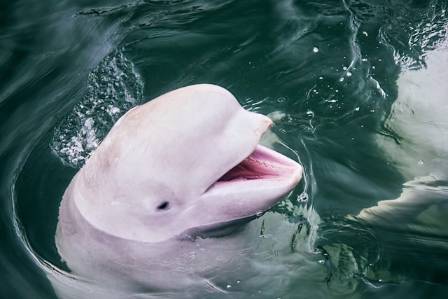
The Chinese white dolphin (Sousa chinensis) is a visually striking inhabitant of the Pearl River Delta, notable for its pale pink hue. Behind its beauty lies a pressing conservation challenge: a rapid decline driven by habitat loss, industrial growth, and overlapping human activity. This article revisits the current threats, the collaborative actions underway, and how individuals and communities can contribute to safeguarding this iconic species.

आलूबुखारा और आलूबुखारा जूस के 10 बेहतरीन स्वास्थ्य लाभ
आलूबुखारा क्या है? आलूबुखारा सूखे हुए बेर होते हैं। कटाई के बाद, बेर को निर्जलित किया जाता है और फिर अर्ध-सूखे रूप में पैक किया जाता है, जूस या सिरप में डिब्बाबंद किया जाता है या उन्हें जूस में संसाधित किया जाता है। आलूबुखारा के स्वास्थ्य लाभों में शामिल हैं: सुरक्षात्मक यौगिकों से भरपूर हड्डियों के स्वास्थ्य का समर्थन कर सकता है स्वस्थ हृदय को बढ़ावा दे सकता है टाइप 2 मधुमेह के जोखिम को कम कर सकता है उम्र बढ़ने की प्रक्रिया को धीमा कर सकता है पाचन तंत्र का समर्थन करता है आंत के स्वास्थ्य का समर्थन कर सकता है संज्ञानात्मक स्वास्थ्य का समर्थन कर सकता है लोहे की कमी से होने वाले एनीमिया को कम करने में मदद कर सकता है ऊर्जा का एक स्थिर स्रोत प्रदान कर सकता है

The Art of Walnut Carving
If you’ve ever held a finely detailed walnut in your hand and wondered, “How could anyone create this?”—you’re not alone. For hundreds of years, Chinese artisans have transformed ordinary walnuts into tiny works of art, combining meticulous skill, patience, and cultural symbolism. Walnut carving is one of China’s most fascinating yet often overlooked traditional crafts.

Five Strategies to Reduce Abdominal Fat and Enhance Wellbeing
Maintaining a lean waistline offers benefits beyond appearance—it can contribute to a longer life. An increased waist circumference is associated with greater risks of heart disease, diabetes, and certain cancers. Shedding excess weight, particularly abdominal fat, enhances vascular function and promotes better sleep.

10 तथ्य यह है कि टोकरी एक वर्ष से अधिक समय से उपलब्ध है
बोला टोकरी बुकनलाह ओलाहरगा यांग मुदाह - दिबुतुहकन केताहनन, सेमांगट टिम, डेन केटेरामपिलन हेबत अनटुक मेनगुंगगुली लॉन डन डेन मेमेनंगकन पर्मैनन। बोला टोकरी लेबिह डारी सेकादर लैपांगन, बोला, डैन वासित। बेरीकुत बेबरापा तथ्य मेनारिक यांग मंगकिन बेलम एंडा केताहुई टेंटांग ओलाहरागा बोला बास्केट।
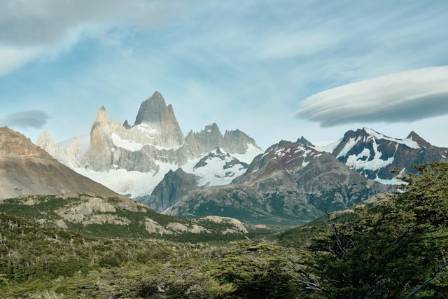
Granite Peak: Climbing Montana’s Highest Mountain
The early morning sky turned soft shades of pink and orange, spilling light across the valley and reflecting off distant alpine lakes as we carefully picked our way across unstable rock toward the summit of Granite Peak.