फुल ब्रिफ
Granite Peak: Climbing Montana’s Highest Mountain
The early morning sky turned soft shades of pink and orange, spilling light across the valley and reflecting off distant alpine lakes as we carefully picked our way across unstable rock toward the summit of Granite Peak.
Ophelia Ray
डेस्क रिपोर्टर
कॉन्टेक्स्ट
पढ़ते समय संदर्भ नोट्स साथ रखे गए हैं।
लाइन
डेली सिग्नल
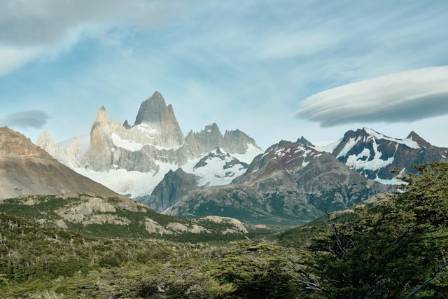
The early morning sky turned soft shades of pink and orange, spilling light across the valley and reflecting off distant alpine lakes as we carefully picked our way across unstable rock toward the summit of Granite Peak.
Above us, the weather looked deceptively calm—clear skies, gentle warmth—but a storm system was already closing in, expected to arrive within a day and bury the mountain under more than a foot of fresh snow. That shift in forecast compressed our plan from three days to just two. At that point, we were about 12 miles into the route, and the peak stood clearly ahead in the distance.
Twelve hours earlier, our small three-person team sat at basecamp eating simple food and watching rescue helicopters circle the mountain in high winds. The conditions were already serious even at lower elevation. Gusts were so strong we reinforced our tent by stacking rocks in every corner to keep it from being ripped loose and dragged across the tundra. On the upside, the harsh weather kept away the infamous local “pee goats,” animals known for chewing on tents after being drawn to the salt from human urine.
Eventually, the helicopter noise faded and night settled in. Sleep came in fragments as the tent shook repeatedly in the wind. After a long approach hike the day before, we woke before dawn, layered up, and started moving around 4 a.m. Headlamps lit the trail as we headed toward the dark silhouette of the mountain.
As morning broke, helicopters returned overhead, though we had no way of knowing what was happening in the backcountry. We were climbing from the southwest via the Southwest Couloir route. This line is increasingly popular because it avoids the exposed Class 4 ridge on the north side, instead following a Class 3 approach that still carries significant rockfall exposure.
Conditions improved as the sun rose. Winds eased and the rock warmed beneath our feet while we followed fixed ropes through sections of scrambling terrain. It was a busy weekend on the mountain, with several parties spread across the route. Around 8:25 a.m. on September 6, 2020, we topped out on Granite Peak—Montana’s highest point.
From the summit, we could see search-and-rescue operations unfolding below. Pilot Mark Duffy completed multiple short-haul rescues that morning under difficult conditions, even on the day of his son’s funeral—a powerful act of courage that saved lives on the mountain.
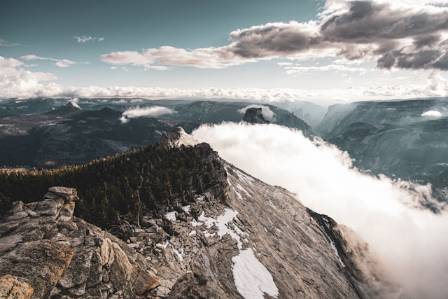
The Approach
Granite Peak sits deep within the Beartooth Range and rises to 12,808 feet, making it the tallest mountain in Montana. For comparison, the highest point in Glacier National Park is over 2,000 feet lower.
There are several ways to reach the peak. We chose the Southwest Couloir route and camped near Skytop Lakes to shorten summit day. Other climbers often use Aero Lakes, but Skytop positioned us closer to the climb itself.
Reaching Skytop requires a roughly 9-mile approach hike starting near coordinates 45.0505418, -109.9101180. Vehicles without 4WD usually park slightly lower along the road and add a short extra walk.
The route begins past an old mining cabin and follows a trail toward Lady of the Lake. This section is known for its frustrating elevation changes—you gain height only to lose it again. By the time you reach Lady of the Lake, you often feel like you’ve backtracked vertically.
Beyond this point, navigation becomes more important. Because the Southwest Couloir approach is relatively new, trail markings are inconsistent. About a mile past the lake, the path splits near a grassy stretch along the creek. The left fork leads toward Aero Lakes, while the right continues toward Skytop Lakes. Staying right is essential, and after a second creek crossing the trail becomes faint before eventually disappearing if you miss the correct line.
Farther along, Lone Elk Lake provides a good resting point. However, beyond it the route becomes confusing. We mistakenly followed a set of cairns that led us off course around Rough Lake, adding extra distance to an already long day.
To stay on track after Lone Elk Lake, follow the shoreline and cross Skytop Creek at the northern end. Continue along Rough Lake’s southeastern edge, then cross again near its upper section. A rocky gully with cairns leads upward toward a waterfall and eventually opens onto the Skytop Lakes basin. Campsites can be found along flat areas near the western shoreline.
A topographic map app with offline capability is strongly recommended for this section.
Summit Day
Most climbers begin between 4:00 and 5:30 a.m. to avoid afternoon weather changes. From basecamp, cairns and boulder fields guide the way toward a feature known as “The Tongue,” a recognizable gully on the southwest face.
Even in summer, snow can linger here, though by late season it often melts out enough for dry ascent. Unlike the alternative “Froze to Death Plateau” route, the Southwest Couloir typically does not require crampons or ropes in stable conditions.
Above The Tongue, the route continues over loose scree before reaching a small but important cairn that marks the start of the ramp gully. This is also where trekking poles are usually stowed, as the terrain becomes too technical for them.
The ramp section is the core of the climb. Fixed ropes assist progress through steep Class 3 terrain, but rockfall is a real hazard, making helmets essential. Careful movement is necessary, especially when other parties are above or below you.
While some climbers consider this section dangerous due to falling rock, others find it manageable with proper caution and timing. For those uncomfortable with exposed scrambling, it may still feel intimidating but is generally considered the more accessible option compared to the north ridge.
From the top of the ramp, several scrambling paths lead onto the ridge. Staying slightly right offers the easiest passage. Once above the gully, only a short climb remains—about 200 vertical feet—before turning left and following the ridge directly to the summit.
अगली रिपोर्टें
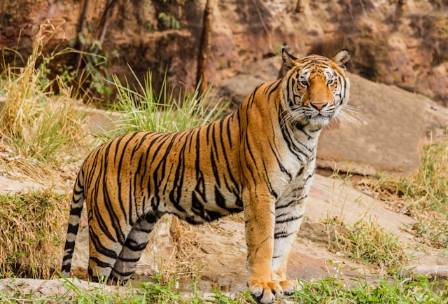
टूटते सितारे: 10 सबसे प्रसिद्ध लुप्तप्राय प्रजातियां
उन्हें एक कारण से "करिश्माई मेगाफौना" के रूप में जाना जाता है। ये लुप्तप्राय जानवर स्टार पावर से भरपूर हैं, एक ऐसा कारक जिसे संरक्षणवादियों ने उनकी रक्षा के लिए परियोजनाओं को निधि देने के लिए भुनाया है (और, अक्सर डिफ़ॉल्ट रूप से, अन्य जीव जो उनके जटिल पारिस्थितिक तंत्र को साझा करते हैं)। लोग एक आराध्य ऊदबिलाव या एक शानदार बाघ को बचाने के लिए धन दान करने की अधिक संभावना रखते हैं, बजाय इसके कि वे अंगहीन कृमि स्किंक या गेरलाच के तिलचट्टे को संरक्षित करने के लिए धन का योगदान दें। हालांकि, स्किंक और तिलचट्टे अपने पारिस्थितिक तंत्र में अभिन्न भागीदार हैं और अपने आकर्षक हमवतन लोगों की तरह ही सहायता के पात्र हैं। आप इस सूची के जानवरों को ए-लिस्टर्स मान सकते हैं जिनके बॉक्स-ऑफिस पर कमाई से उन्हीं वातावरण में रहने वाले कम प्रसिद्ध चरित्र अभिनेताओं के निरंतर अस्तित्व का वित्तपोषण होता है।

पिकनिक मनाने के 7 फ़ायदे
काम पर एक व्यस्त सप्ताह के बाद, और एक थका देने वाले साल के बाद, पिकनिक एक ऐसी चीज़ है जो डॉक्टर पूरे परिवार के लिए सुझाते हैं। अगर आप "पिकनिक टाइप" नहीं हैं या आपके पास पिकनिक के लिए परिवार की वैन पैक करने का कोई कारण नहीं है, तो यहाँ कुछ फ़ायदे दिए गए हैं जिन पर आपको विचार करना चाहिए।
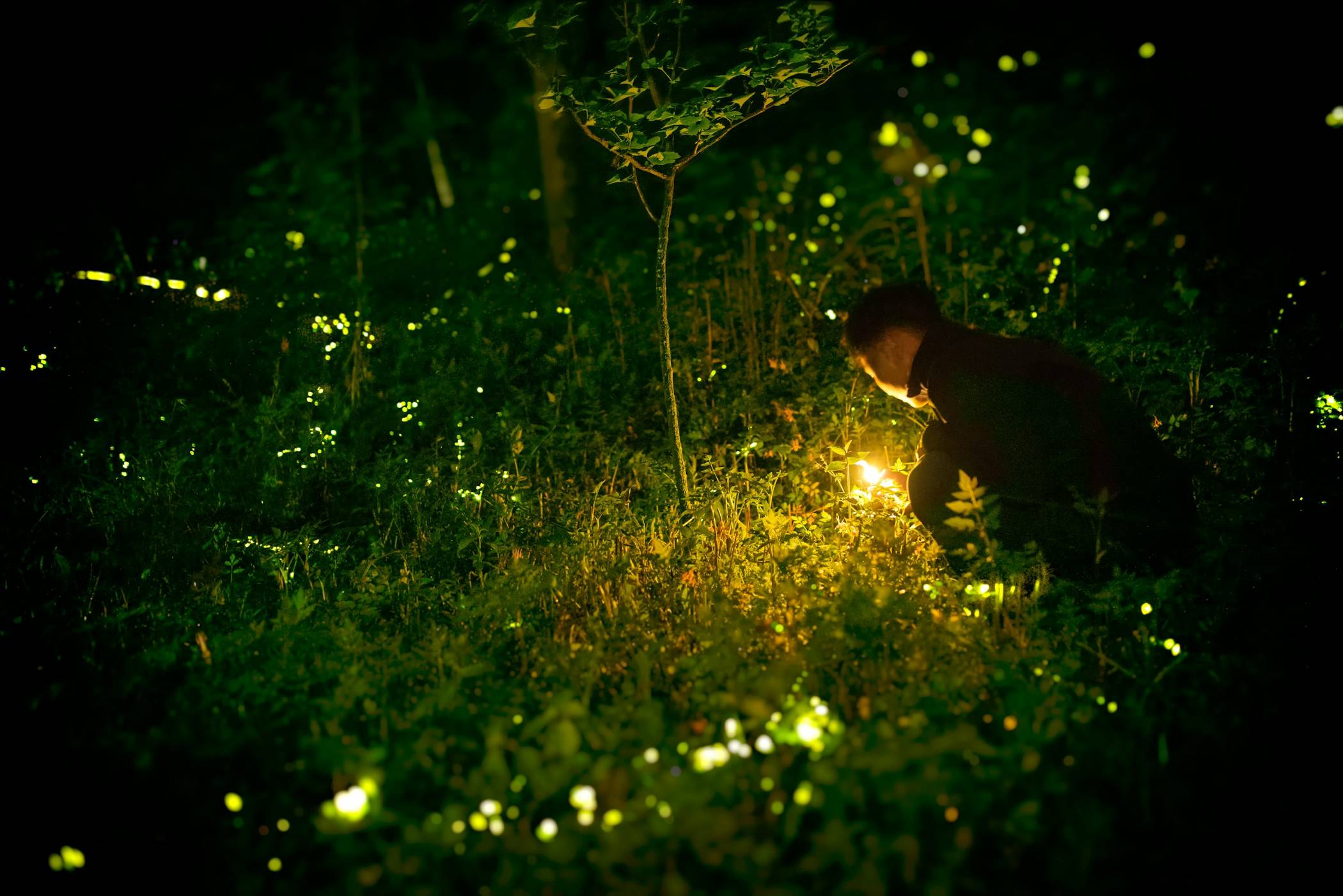
जब आपको घर से बाहर निकलने की आवश्यकता हो, तो 12 बाहरी गतिविधियाँ
घर के अंदर बंद होकर ऊब गए हैं—लेकिन साथ ही यह सोच रहे हैं कि इस स्थिति से कैसे बाहर निकलें? हम आपकी भावना समझते हैं, इसीलिए हमने बाहरी गतिविधियों की एक सूची तैयार की है जो आपको घर से बाहर निकालकर बहुत जरूरी धूप, ताजी हवा और अच्छे विचार प्रदान करेगी। न केवल बाहर जाने से एक उबाऊ दिन में उत्साह आ सकता है, बल्कि यह गंभीर स्वास्थ्य लाभ भी प्रदान कर सकता है: Environmental Research जर्नल में प्रकाशित 143 अध्ययनों के 2018 के मेटा-विश्लेषण के अनुसार, हरियाली के संपर्क में आने से रक्तचाप, हृदय गति और तनाव हार्मोन कोर्टिसोल के स्तर में कमी सहित कई शारीरिक लाभ जुड़े हुए हैं। अलग-अलग शोध भी आपके मानसिक स्वास्थ्य के लिए बाहरी गतिविधियों का समर्थन करते हैं। Science Advances जर्नल में 2019 की एक समीक्षा में निष्कर्ष निकाला गया कि प्रकृति में समय बिताने से मानसिक संकट कम हो सकता है जबकि खुशी, व्यक्तिपरक कल्याण, संज्ञानात्मक कार्य, स्मृति, ध्यान, कल्पना और रचनात्मकता बढ़ सकती है।

6 सबसे सुंदर और अनोखे ट्यूलिप प्रकार
आप जानते हैं कि वसंत आ गया है जब वे लंबे, प्यारे ट्यूलिप के तने ज़मीन से बाहर झांकने लगते हैं। 1,000 से ज़्यादा अलग-अलग ट्यूलिप प्रजातियाँ हैं, और हर एक इस मौसम में आकर्षण का अपना अलग स्पर्श लाता है। वास्तव में, इतनी सारी प्रजातियाँ मौजूद हैं कि वैज्ञानिकों ने उन्हें ट्यूलिप प्रकारों की 15 मुख्य श्रेणियों में समूहीकृत किया है, बस उन्हें क्रम में रखने के लिए! हम अपने छह पसंदीदा ट्यूलिप प्रकारों को चुनकर गर्म मौसम का जश्न मना रहे हैं। इन वसंत खिलने वाले फूलों की प्रत्येक श्रेणी को सुंदर और अनोखा बनाने के लिए आगे पढ़ें।
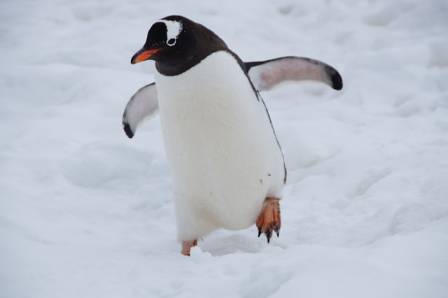
7 Penguin Truths Hidden for a Century
George Murray Levick, the world’s first penguin biologist to conduct close-up research on a large colony, was stranded in 1911 for nearly a year at Cape Adare in Antarctica—home to the planet’s biggest Adélie penguin colony. During his time there, he compiled a wealth of insights while carrying out the first rigorous study of these aquatic birds.

एक ग्रह की परिभाषा
यह शब्द प्राचीन ग्रीक शब्द planēt पर वापस चला जाता है, और इसका अर्थ है "वांडरर।"