फुल ब्रिफ
Mastering Japanese Sushi: Tradition Meets Innovation
Sushi, once a method for preserving fish, has transformed into a celebrated art form enjoyed around the globe. What began as a practical technique for survival has become a dish that blends precision, creativity, and cultural significance.
Scarlett Quinn
डेस्क रिपोर्टर
कॉन्टेक्स्ट
पढ़ते समय संदर्भ नोट्स साथ रखे गए हैं।
लाइन
डेली सिग्नल
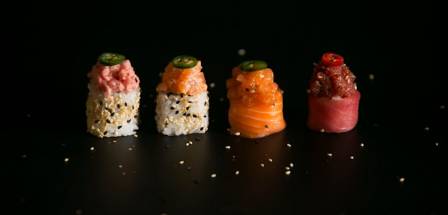
Sushi, once a method for preserving fish, has transformed into a celebrated art form enjoyed around the globe. What began as a practical technique for survival has become a dish that blends precision, creativity, and cultural significance.
In historical Tokyo, streets were lined with small “sushiya” stands, making sushi accessible to everyone. Today, it has evolved from a local favorite into an international culinary phenomenon, thanks to constant innovation while honoring its roots.
Modern sushi chefs continue to expand the boundaries of this traditional cuisine. By incorporating new ingredients and inventive techniques, they enhance the dining experience without losing the essence of what makes sushi so special. This balance of heritage and creativity keeps sushi vibrant and relevant, bridging history with contemporary tastes.
The Origins of Sushi
Sushi’s beginnings trace back to ancient Southeast Asia, where fishermen preserved fish using a method called narezushi. Fish was layered with salt and rice to ferment for months, allowing it to last longer. At this stage, the rice wasn’t consumed; it simply served as a preservation medium.
This method spread to China and eventually reached Japan, evolving along the way. The Japanese adapted it into a dish focused on fresh, balanced flavors. This evolution laid the foundation for the sushi we know today.
Sushi During the Edo Period
Between 1603 and 1868, sushi underwent significant transformation in Japan’s Edo period. Street food culture played a pivotal role.
Vendors in Edo (modern Tokyo) introduced Edo-style sushi, which paired fresh fish with small, vinegar-seasoned rice balls. This innovation made sushi convenient and flavorful, appealing to people from all walks of life.
Sushi stalls, or sushiya, became common, turning sushi into a widely enjoyed staple. This shift marked a transition from a method of preservation to a dish meant for enjoyment—a legacy that continues to influence modern sushi.

Global Spread of Sushi
Sushi started spreading internationally in the early 20th century but gained widespread popularity after World War II. Japanese immigrants introduced their culinary traditions to countries like the United States, where sushi initially appeared as an exotic novelty.
By the 1960s and 1970s, creations like the California Roll helped sushi reach a broader audience. Today, sushi is a global cuisine, adapted and celebrated in countless variations worldwide.
Cultural Significance of Sushi
Sushi is deeply tied to Japanese identity. It reflects a balance between nature and human craftsmanship, evident in every piece prepared by skilled sushi chefs, or itamae. Using fresh, seasonal ingredients, sushi embodies purity, simplicity, and respect for the natural flavors.
Each region in Japan offers unique sushi variations, highlighting the country’s cultural diversity. Sushi also plays a role in social traditions—served at celebrations, shared among friends, and appreciated with mindfulness. Eating sushi is a ritual that emphasizes gratitude for both the food and the skill of the chefs who prepare it.
Key Ingredients and Techniques
The core of sushi lies in quality ingredients and precise techniques:
Rice (Shari): Short-grain rice seasoned with vinegar, cooked to a slightly sticky texture with a subtle tang.
Seafood: Fresh fish, shellfish, or other ingredients form the centerpiece. Quality and freshness are essential.
Other Elements: Nori (seaweed), vegetables, and egg provide additional flavor and texture.
Making sushi requires skillful handling. Chefs use bamboo mats for rolls, sharp knives for sashimi, and careful techniques to balance rice, fish, and seasoning. Presentation is as vital as taste, reflecting the artistry of the cuisine.
Modern Innovations
Contemporary chefs experiment with flavors and presentation, blending traditional sushi with new ideas. Creative approaches include unusual sauces, ingredients like avocado or cream cheese, and inventive dishes such as sushi burritos or poke bowls.
Despite these innovations, the core principles remain: balance, freshness, and respect for ingredients. This fusion of tradition and creativity keeps sushi exciting and dynamic.
Technology and Sushi
Technological advances have greatly influenced sushi’s evolution:
Automated Sushi Machines: Improve efficiency and consistency, especially in conveyor-belt sushi restaurants.
Refrigeration and Transport: Allow fresh fish and ingredients to be available worldwide, expanding global access.
Digital Platforms: Online tutorials, DIY kits, and social media share sushi techniques and trends, making learning more accessible.
These innovations have made sushi more adaptable while maintaining its traditional roots.
Sustainability and the Future
Sustainability is becoming increasingly important in the sushi world:
Responsible Sourcing: Local ingredients reduce environmental impact and emphasize seasonality.
Zero-Waste Practices: Many restaurants minimize waste while maintaining high culinary standards.
Plant-Based Options: Vegan sushi expands access, reduces reliance on fish, and introduces new flavors and textures.
Creative trends like sushi pizza, sustainable seafood cultivation, and advanced freshness tracking are redefining the future of sushi. These innovations ensure that sushi remains both delicious and environmentally conscious.
Conclusion
Sushi is more than a meal—it’s a cultural and culinary journey. From its origins as a preservation method to its role as an art form and global delicacy, sushi embodies history, skill, and innovation. Each bite tells a story of tradition, creativity, and the enduring allure of Japanese cuisine.
Sushi continues to inspire chefs and diners worldwide, celebrating a timeless blend of heritage and contemporary flair.

अगली रिपोर्टें

Calendula Beautiful and Useful
There are countless reasons to grow a generous patch of calendula, scientifically known as Calendula officinalis. This cheerful plant provides flowers for bouquets and herbal preparations, continues blooming until the first frost, grows well in many garden conditions, attracts pollinators, adds color and flavor to dishes, and produces seeds that are simple to collect for future planting.

2025 की टॉप 3 हैरान कर देने वाली स्पोर्ट्स कारें जो पावर, स्पीड और लक्जरी को फिर से परिभाषित करती हैं
जैसे ही हम 2025 में प्रवेश करते हैं, स्पोर्ट्स कार उद्योग लगातार विकसित हो रहा है। इसमें नई तकनीक, शानदार डिज़ाइन और अद्भुत प्रदर्शन शामिल हैं। निर्माता नए विचारों को पुराने परंपराओं के साथ मिला रहे हैं। वे ऐसी स्पोर्ट्स कारें बना रहे हैं जो पहले से कहीं ज्यादा तेज़, स्मार्ट और रोमांचक हैं। अगर आप ट्रैक्स पसंद करते हैं या सिर्फ ड्राइविंग का आनंद लेते हैं, तो 2025 की इन टॉप 3 स्पोर्ट्स कारों को देखें। ये अद्भुत शक्ति, स्टाइल और फीचर्स प्रदान करती हैं।

प्राचीन रेत की फुसफुसाहट: मिस्र के कालातीत पिरामिडों की यात्रा
रेगिस्तान से उठता पिरामिड, मिस्र की चतुराई और शक्ति का प्रमाण

A Guide To Choosing The Perfect Cream Coffee Table
A cream coffee table can be a beautiful and versatile piece in almost any living room. It adds a soft touch of color and subtle texture while also bringing a sense of elegance and refinement to the space. However, selecting the right cream coffee table involves more than just picking a design you like. In this guide, we’ll explore the main types available and how to choose the best one for your home.

10 Amusing Cat Behaviors and Their Whimsical Reasons
As one of the internet's favorite companions, cats bring unparalleled joy to the lives of their owners with their distinct personalities. While forming deep connections and cherished bonds with their human counterparts, cats also exhibit peculiar and whimsical behaviors that can leave us scratching our heads. Let's delve into 10 goofy antics that cats engage in and explore the reasons behind their amusing actions.

शुरुआती लोगों के लिए 10 आसान चित्र
आप सोच सकते हैं कि चित्र बनाना अपनी जीभ को अपनी नाक से छूने जैसा है: कुछ लोग इसे कर सकते हैं और कुछ लोग नहीं। लेकिन यह वास्तव में सच नहीं है। चित्र बनाना गाड़ी चलाने जैसा है: जितना अधिक आप अभ्यास करेंगे, आप उतने ही बेहतर होते जाएंगे। हमारे पास शुरुआती लोगों के लिए 10 आसान चित्र हैं। मुख्य बात यह है कि आप अपनी रुचि वाली चीजें बनाएं। आप इसे बनाए रखने की अधिक संभावना रखेंगे (भले ही आपका पहला प्रयास बहुत खराब रहा हो) और, इससे पहले कि आप इसे जानें, आप उन कौशलों को प्राप्त कर लेंगे। इससे भी बढ़िया, आप अपनी खुद की विशिष्ट शैली विकसित करना शुरू कर देंगे। हाँ, आप!