फुल ब्रिफ
Calendula Beautiful and Useful
There are countless reasons to grow a generous patch of calendula, scientifically known as Calendula officinalis. This cheerful plant provides flowers for bouquets and herbal preparations, continues blooming until the first frost, grows well in many garden conditions, attracts pollinators, adds color and flavor to dishes, and produces seeds that are simple to collect for future planting.
Wesley Parker
डेस्क रिपोर्टर
कॉन्टेक्स्ट
पढ़ते समय संदर्भ नोट्स साथ रखे गए हैं।
लाइन
डेली सिग्नल
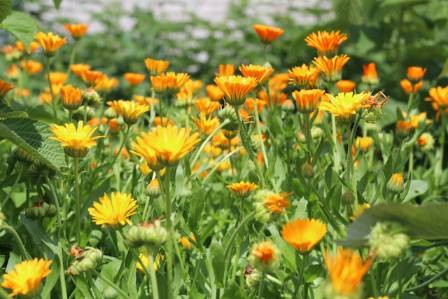
There are countless reasons to grow a generous patch of calendula, scientifically known as Calendula officinalis. This cheerful plant provides flowers for bouquets and herbal preparations, continues blooming until the first frost, grows well in many garden conditions, attracts pollinators, adds color and flavor to dishes, and produces seeds that are simple to collect for future planting.
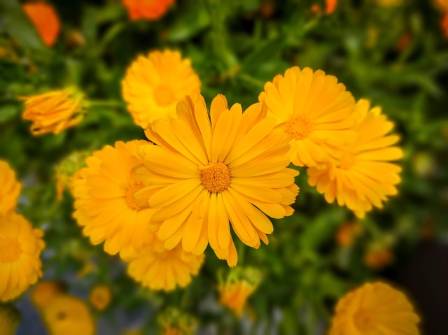
Belonging to the Asteraceae family, calendula produces lively yellow and orange blossoms, with occasional creamy-white flowers appearing as well. The first blooms usually arrive about six weeks after sowing. Starting seeds indoors in April can encourage earlier flowering. The flowers come in a variety of forms, ranging from full, layered double blooms to simple, flat, daisy-like flowers with different colors and textures.
Also known as pot marigold, calendula originated in southern central Europe and North Africa and contains around 15 different species. The plant develops many branches and can reach approximately 2 feet tall, although many garden-grown plants remain closer to 1 foot. Its leaves are elongated and oval-shaped, measuring about 3 to 6 inches long, with the bases gently wrapping around the stems.
Calendula flower heads typically measure 2 to 3 inches wide and are made up of multiple layers of ray-shaped petals surrounding a center of tubular flowers. The blossoms often close slightly during nighttime and on overcast days, then reopen fully in the morning sunlight. Regular harvesting encourages continued flowering, often allowing plants to bloom through late October in colder regions such as Maine. Leaving some flowers untouched in autumn allows seeds to mature for birds and for next year’s garden. The seeds, called achenes, have a distinctive curved shape, resembling a small half-moon that narrows to a point.
Calendula’s Traditional Health Uses
Calendula has long been valued for its many medicinal qualities. Herbalist David Hoffmann described it in Herbs for Healthy Aging as almost a complete natural medicine cabinet because of its wide range of traditional applications. It is especially respected as a remedy for skin concerns.
This herb can be used externally on irritated or damaged skin, including minor wounds, inflammation, bruises, burns, infections, and slow-healing areas such as ulcers. Calendula preparations such as creams, ointments, poultices, compresses, tinctures, and teas have traditionally been used to support skin recovery. It is particularly useful for minor burns and scalds and may also provide soothing effects for sun-exposed skin.
Hoffmann also noted that calendula has been traditionally used to support digestive health. Its calming and anti-inflammatory properties may help relieve digestive discomfort, stomach irritation, some ulcer-related issues, gall bladder-related symptoms, and general indigestion.
According to herbal writer Steven Foster in Herbal Renaissance, the name “calendula” refers to the plant’s tendency to flower almost continuously, linked to the Latin word “calends,” meaning the first day of each month. The species name “officinalis” indicates that the plant was officially recognized for use in traditional apothecaries. The common name “marigold” comes from its historical connection with celebrations honoring the Virgin Mary in Catholic traditions.
Calendula’s Role in Herbal Traditions
Steven Foster began his herbal work through the Sabbathday Lake Shaker Herb Department in New Gloucester, Maine, the oldest continuously operating herb business in the United States, established in 1799. He described how the Shaker gardens grew extensive calendula crops, planting four 300-foot rows from only four ounces of seed. After harvesting the flowers three times, they collected around 20 pounds of dried blossoms from the planting.
Even a modest home garden can provide enough calendula for making herbal products, creating bouquets, and saving seeds. With suitable growing conditions, the plant can continue producing flowers well into autumn.
Foster also referred to calendula as “poor man’s saffron” because it can provide a similar coloring effect and mild flavor. The petals add a gentle salty taste and golden-yellow color to foods such as rice, grains, soups, and broths. Fresh petals can brighten salads and other dishes, while medieval European cooks commonly used calendula flowers in soups and cooking preparations.
Calendula tea has traditionally been used to encourage sweating and support the treatment of digestive issues and skin conditions. Historically, it was also used for jaundice. Today, its most common traditional applications include using lotions, tinctures, or cooled tea washes for bruises, sprains, small cuts, mild infections, and burns.
Foster shared the story of a 90-year-old gardener who had relied on homemade calendula tincture for decades to treat family cuts, burns, and scrapes. His preparation involved soaking fresh calendula plants in vodka for two weeks and diluting the resulting tincture before use.
Research has also explored calendula’s possible role in supporting immune activity. Although studies have examined its ability to stimulate certain immune responses, Foster emphasized that this does not mean calendula is a universal cure. Instead, it may help encourage the body’s natural defense processes by supporting cells that remove unwanted substances or harmful organisms.
More than 30 chemical components have been identified in calendula, many of which contribute to its traditional healing reputation. Scientific studies suggest that calendula may have anti-inflammatory, antibacterial, and antiviral properties, and some flower extracts have been shown to support wound repair. The plant appears to have a strong history of safe use and continues to attract scientific interest.
Growing Calendula at Avena Botanicals
At MOFGA-certified organic Avena Botanicals in West Rockport, Maine, herbalist Deb Soule recommends growing calendula in full sunlight with well-draining soil enriched with compost. The farm begins around 1,000 calendula seedlings in the greenhouse during mid-April and moves them into outdoor beds in mid to late May.
Another 1,000 seedlings are started in mid-May, followed by another planting during the first week of June. According to Soule’s experience, the earliest planting often loses strength by August, when the plants are removed and composted. The space is then used for other crops such as borage or oats. Later plantings can continue flowering into October when supplied with enough moisture.
By late October, the remaining plants are usually removed, and the beds are covered with compost and straw to prepare them for future crops. Soule believes rotating annual plants every three years improves soil health and benefits future plant growth.
The first calendula harvest at Avena Botanicals begins in late June. Workers gather flowers two or three times weekly, often picking them by hand rather than using scissors to better experience the sticky resin naturally present on the blossoms. After collection, the flowers are weighed and spread onto drying screens in the herb room.
During an average growing season, Avena harvests approximately 300 to 350 pounds of fresh calendula flowers. The plant is an essential ingredient in many of their herbal teas, salves, and facial products. Fresh flowers are also used to create tinctures and medicinal juices, which are applied as sprays for insect bites and to help reduce visible scarring after surgery.
Growing Calendula in the Home Garden
For small herb gardens, calendula is one of the easiest and most rewarding plants to grow. Even beginners can successfully produce a large supply of this attractive and useful flower.
In mid-April, seeds can be started indoors in individual containers filled with seed-starting soil. Keeping the containers in a warm location until the first leaves appear helps encourage germination. Once seedlings become stronger, they can be moved to a sunny south-facing area before being transplanted outdoors near the end of May.
When planted in the garden, calendula plants should be spaced about 1 foot apart. They benefit from regular watering when rainfall is limited. Although they prefer full sun, they can tolerate areas with only partial sunlight. With minimal care, these cheerful flowers reward gardeners with abundant blooms, herbal benefits, and plenty of seeds for future seasons.
Calendula is a truly versatile plant—beautiful, practical, easy to grow, and valuable for both gardens and traditional herbal uses. Its bright flowers bring color to outdoor spaces while offering countless possibilities for food, crafts, and natural remedies.
अगली रिपोर्टें
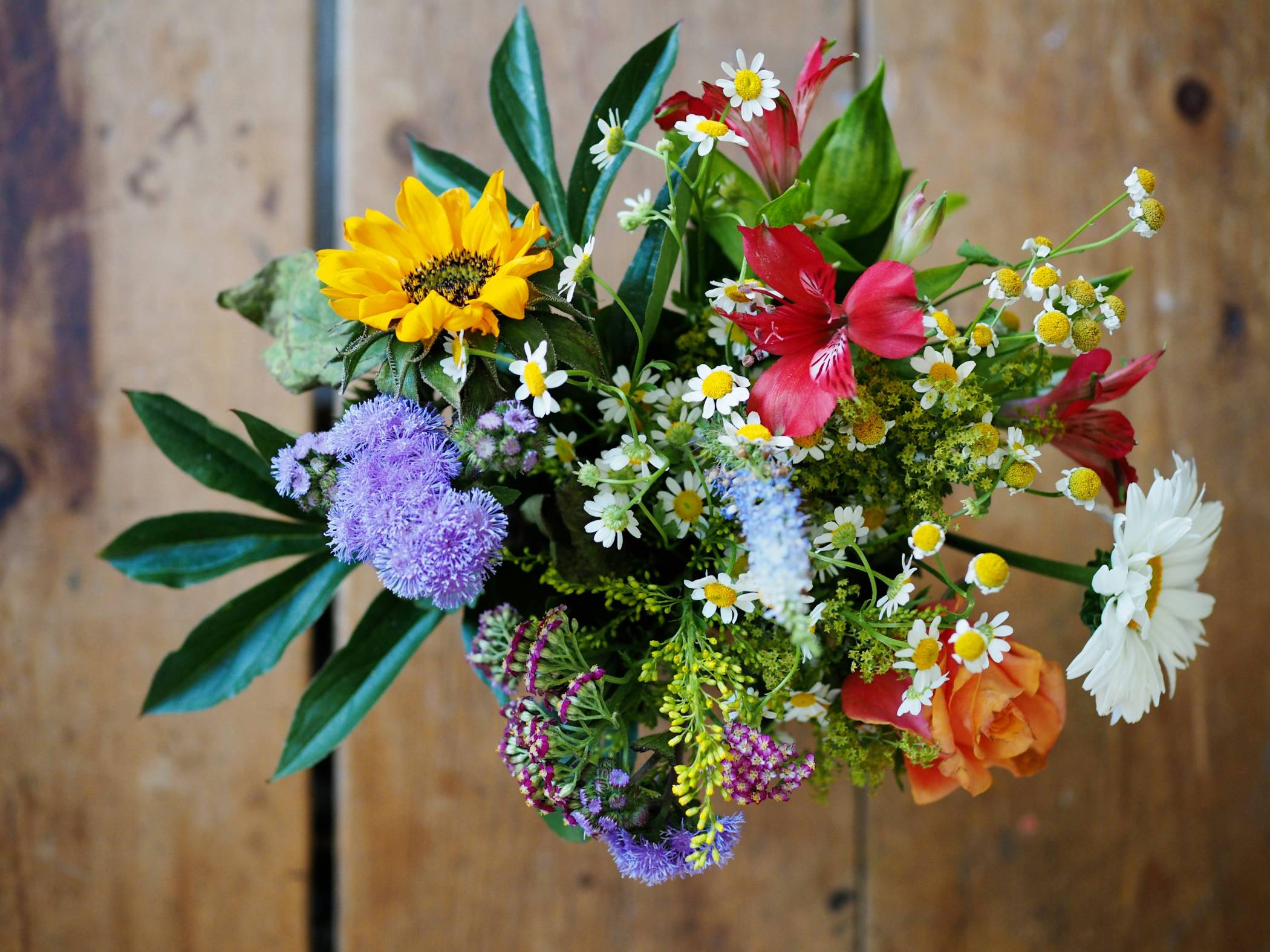
6 लोकप्रिय मातृ दिवस के फूल (और वे वास्तव में क्या मतलब है!)
मातृ दिवस और फूल हाथ से चलते हैं - आखिरकार, सौंदर्य, खुशबू और अर्थ से भरे गुलदस्ते की तुलना में "धन्यवाद" कहने का इससे बेहतर तरीका क्या हो सकता है? जबकि हर ब्लूम के पास बताने के लिए एक कहानी है, कुछ फूल मातृ दिवस के लिए विशेष रूप से लोकप्रिय हैं, न केवल उनके लुक के लिए, बल्कि उन भावनाओं के लिए चुना जाता है जो वे प्रतिनिधित्व करते हैं।

डिजिटल कला की दुनिया में हलचल मचाने वाले 7 नवोन्मेषी कलाकार
एक ऐसे साल में जिसमें हमने संग्रहालयों और दीर्घाओं को व्यापक रूप से बंद होते देखा, साथ ही दुनिया भर में सख्ती से लगाए गए लॉकडाउन के बाद सामाजिक और पेशेवर जीवन का तेज़ी से डिजिटलीकरण हुआ, ऑनलाइन प्रदर्शनियाँ और डिजिटल कला मज़बूती से आगे बढ़ी हैं। जैसे-जैसे दुनिया ने स्क्रीन-टाइम में वृद्धि और व्यक्तिगत सहयोग के लगभग पतन के साथ खुद को समेट लिया, 2020 में नए कलाकार उभरे और स्थापित कलाकारों को वैकल्पिक मीडिया और तकनीकों के साथ प्रयोग करने के लिए मजबूर होना पड़ा। इलेक्ट्रिक आर्टिफैक्ट्स आपको हमारे शीर्ष 7 कलाकारों के बारे में बताने के लिए यहाँ है जो वर्तमान में डिजिटल कला की दुनिया में नवाचार को आगे बढ़ा रहे हैं। इस सूची में कुछ जाने-माने कलाकार और कुछ कम परिचित कलाकार शामिल हैं जिनके काम को हम इस नए साल में फॉलो करने के लिए उत्साहित हैं।

समुद्र की चमकती मुस्कान
कुछ जगहें ऐसी होती हैं जिन्हें आप सिर्फ़ देखते नहीं—बल्कि महसूस करते हैं।

टॉप 10 सबसे खूबसूरत बीच
एक ट्रैवलर इसकी छांव में आराम कर रहा है, दूर तक समुद्र का गाना गूंज रहा है
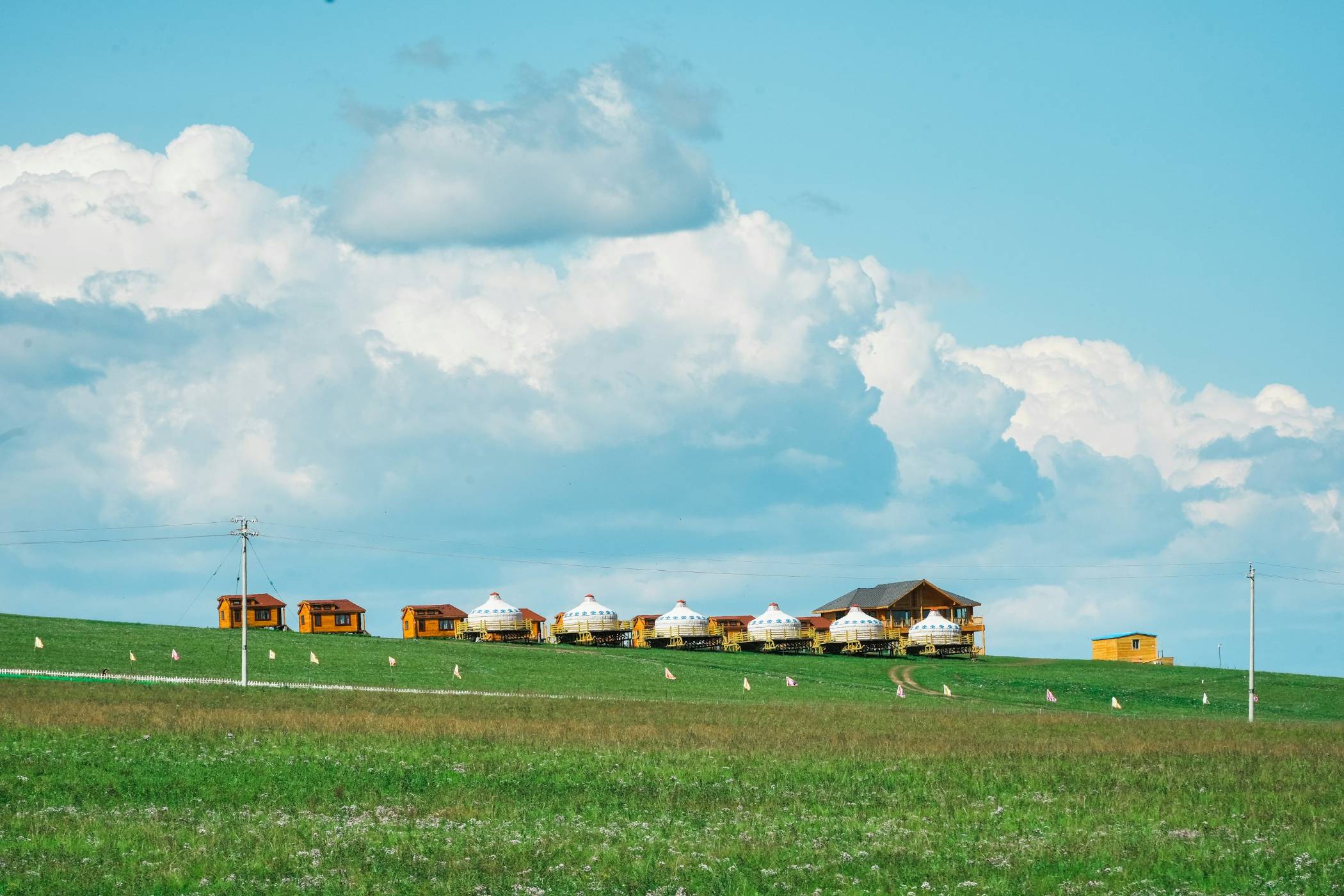
आजकल यर्त्स को इतना लोकप्रिय क्या बनाता है?
यर्त तंबू प्राचीन, व्यावहारिक और आधुनिक का एक आदर्श मिश्रण हैं। मध्य एशिया की सप्तभूमियों में जन्मे, ये गतिशील, गोल घर अब शहरी निवासियों द्वारा यर्त्स के रूप में, शॉर्ट-टर्म पर्यटन के लिए और हरे जीवन संरचनाओं के रूप में आनंदित किए जाते हैं। उन लोगों के लिए जो नहीं जानते, यर्त क्या है? यह बाहरी यर्त कैंपिंग के लिए एक मजबूत आश्रय हो सकता है, पावहटन स्टेट पार्क यर्त रेंटल में, या कायक बीच तुटका बे यर्त के पास एक भव्य स्वतंत्र तंबू हो सकता है। चाहे आप यर्त खरीदने का इरादा रखते हों या आप अपने पास यर्त के लिए देख रहे हों, ये क्लासिक्स हैं जिनमें विभिन्न शैलियों का मिश्रण होता है, जैसे असली स्काईरिम नॉर्ड्स यर्त्स प्रेरणा से लेकर आधुनिक आवास तक।

प्रहरि
1886 के अक्टूबर के अंत में, एक फ्रांसीसी प्रतिनिधिमंडल न्यूयॉर्क पहुँचा था, जहाँ एक विशाल स्मारक का उद्घाटन होने वाला था। यह स्मारक दुनिया का सबसे ऊँचा था, जो प्लेस वेंडोम के स्तंभ से भी ऊँचा था, और इटली के अरोना में स्थित सान कार्लो बोर्रोमेओ की मूर्ति से दोगुना ऊँचा था (पेडस्टल सहित)। नए स्मारक के मुकाबले, जो 305 फीट ऊँचा था और जिसका वजन दो सौ टन से अधिक था, म्यूनिख में 1850 में स्थापित विशाल बैवेरिया मूर्ति, जो एक ओक के मुकुट के साथ ऊँचे हाथ में खड़ी एक प्रभावशाली महिला की मूर्ति थी, अब "अपनी छाया" जैसी लगने लगी। न्यूयॉर्क की मूर्ति में जर्मन वल्कीरी की आक्रामक नारीत्व की कोई झलक नहीं थी। एक गंभीर, लगभग कठोर चेहरा सामने की ओर घूरे हुए, और उसका दाहिना हाथ एक जलती हुई मशाल उठाने के लिए फैला हुआ था, यह मूर्ति एक गाउन पहने महिला की तुलना में अधिक एक ट्यूटोनिक योद्धा की तरह प्रतीत होती थी, जो अपनी तलवार आकाश की ओर उठा रहा हो। कोई आश्चर्य नहीं कि फ्रांज़ काफ्का के "अमेरिका" के दुर्भाग्यपूर्ण नायक कार्ल रोस्मान ने पहले इस मूर्ति की मशाल को एक हथियार समझ लिया था: "तलवार वाला हाथ ऊपर उठा जैसे कि नया खड़ा किया गया हो, और उसके चारों ओर आकाश के मुक्त हवा के झोंके बह रहे थे।" वह सैन्य किला जिस पर यह मूर्ति स्थित थी और आसपास के तोपें भी काफी डरावनी थीं; और न ही यह बात कि इसका शारीर उसी प्रकार के तांबे के पट्टियों से बना था, जो गोलियों और बंदूकों के निर्माण में भी उपयोग होते हैं।