← डेस्क पर लौटें6 मिनट का ब्रिफ

फुल ब्रिफ

A Comprehensive Manual for Rearing and Multiplying Meat Rabbits

When we first transitioned to our rural property, one of my primary goals was to start a rabbitry. I had frequently read that these animals could provide high-quality protein at a very low cost. My spouse, Carolyn, was initially hesitant about the idea because she was concerned that their adorable appearance would make it difficult for her to view them as a food source.

C

Cendy

डेस्क रिपोर्टर

कॉन्टेक्स्ट

पढ़ते समय संदर्भ नोट्स साथ रखे गए हैं।

लाइन

डेली सिग्नल
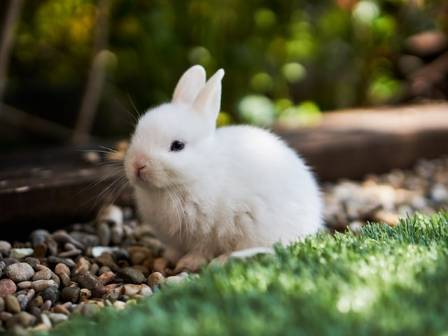
When we first transitioned to our rural property, one of my primary goals was to start a rabbitry. I had frequently read that these animals could provide high-quality protein at a very low cost. My spouse, Carolyn, was initially hesitant about the idea because she was concerned that their adorable appearance would make it difficult for her to view them as a food source.
One day, I came across an advertisement for a six-unit galvanized wire hutch priced under $20. I couldn't pass up such a bargain. Even after the equipment arrived, Carolyn remained skeptical, and we were already overwhelmed with finishing the barn, learning to milk, managing our poultry, tending to bees and goats, and hatching geese. Consequently, the rabbit project was sidelined for a time.
Eventually, a friend named Wally Boren noticed my unused equipment and asked if he could borrow the hutch until I was ready. I agreed, and he set it up in his garage, immersing himself in literature regarding rabbit husbandry.
Rearing rabbits is both uncomplicated and budget-friendly. A small group of one buck and two does can yield approximately 180 pounds of meat annually.

Selecting a Specific Variety

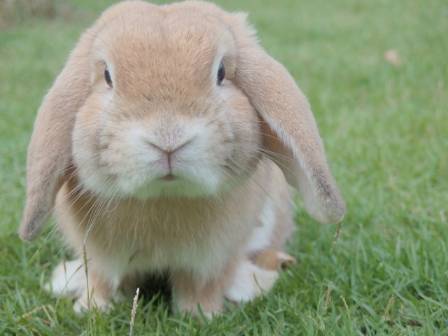
Wally chose the Chinchilla breed. There are several excellent meat-producing varieties available. Wally preferred mid-sized rabbits that reach roughly eight to ten pounds at maturity. Some people choose Flemish Giants, which can weigh up to twenty pounds, but they consume significantly more food. Interestingly, their young (fryers) at two months of age do not weigh much more than those of mid-sized breeds. New Zealand Whites are another favored mid-sized choice; their snowy pelts are often more valuable than those of the Chinchilla. Many other reliable mid-sized breeds exist.
While there are Angoras known for their long wool and other ornamental types, these are not ideal for meat production. Although many hobbyists don't bother with the hides, they do possess market value, with prices often ranging from 30 cents to $1.50 per pound depending on quality.
Wally began with a "trio"—two females and one male, all nine months old. He mated the females shortly after they arrived. By the following month, he had 17 offspring. Since seven is considered an ideal litter size for a mother to manage, Wally culled four from a litter of twelve and moved one to the other mother, who had only six. To ensure the surrogate mother accepted the new arrival, he applied a small amount of menthol ointment to her nose to mask the scent.
By seven weeks, the 14 young rabbits were healthy and active, reaching a collective weight of 44 pounds. At this point, the does were bred again.

The Economics of Rabbit Husbandry

According to Wally’s detailed logs, a three-pound live Chinchilla costs roughly 25 to 35 cents to raise, whereas a similar amount of meat at a grocery store would cost significantly more.
Wally also tracked his labor. It took him exactly sixty minutes of actual work to produce a three-pound fryer. He noted that he spent about 14 hours of total maintenance time to provide 14 meals for his household—a figure he could likely reduce as he gained experience.
Because Wally was so successful, he kept our family well-supplied with meat as a form of "rent" for the hutch. Carolyn and I discovered that we enjoyed the taste immensely; it is reminiscent of poultry but with a firmer texture. It was about a year before I took back my equipment to start my own rabbitry.
Once we began eating the meat provided by someone else, it became much easier to view the rabbits as livestock rather than pets. We found that once the meat is processed and placed in the freezer, the psychological connection to "cute animals" disappears.

Nutritional Requirements for Rabbits

Every enclosure should be equipped with a rack for hay. High-quality Alfalfa or leafy clover hay is ideal. While Timothy hay has less protein, it is perfectly acceptable if cured well. It helps to chop the hay into three or four-inch pieces to make it easier for the animals to handle. Other options include vetch or cow peas. You can supplement their diet with dried bread crusts, vegetable scraps, and garden weeds, provided you remove any uneaten fresh food the next day to prevent spoilage. Root vegetables like carrots are a favorite. Introduce greens gradually to avoid digestive issues like bloating or diarrhea.
Additionally, you should provide specialized rabbit pellets or whole grains. Avoid finely ground feed, as they prefer a coarser texture. It is always a good idea to ask your supplier about the specific feeding regimen they recommend.

Growth and Reproduction Rates

There are many legends regarding how quickly rabbits multiply. I once knew a man who started with only two rabbits to avoid being overrun, but after four months, he still had only two. It turned out he had inadvertently purchased two males. Learning to identify the gender of your rabbits is a simple skill that your supplier can teach you.
A small trio of two does and one buck typically produces 40 to 50 fryers annually, which is sufficient for an average family's needs.
Mating can occur every three months. The gestation period is approximately 30 to 32 days. The young nurse for about six weeks while they begin exploring solid food. Around seven weeks, the young should be moved to a separate hutch. They are typically processed between eight and twelve weeks for the best quality meat.
While you can wait until they are full-grown at seven or eight months, they become less cost-effective as they consume more expensive feed. It is important to separate young males from females at three months to prevent unplanned breeding. Older rabbits can be culled after two or three years and are best used for stews; their hides are also more valuable than those of younger fryers.
Inbreeding is generally not a problem for meat production. You can keep a young female from a litter and mate her back to the original buck once she reaches maturity at seven to nine months. Staggering the breeding schedule allows for a fresh supply of meat every six weeks. Every few years, it is wise to introduce a new buck to the colony. When purchasing your initial stock, prioritize health and vigor over show-ring aesthetics. Investing in quality animals is more cost-effective than starting with inferior stock.

Constructing a Habitat

Rabbits are resilient, hygienic, and easy to maintain. They tolerate cold well but are sensitive to dampness and extreme heat. They require a clean, well-ventilated, and shaded environment. I keep my cages inside the barn, cleaning them weekly and providing fresh straw for bedding and nesting. In the winter, we provide water twice daily before it freezes, while in the summer, we ensure they have constant access to water, as they drink significant amounts. A simple wooden keg with a small ledge makes an excellent nesting box for the mother to line with fur and straw.

Classic German Hasenpfeffer Preparation

To prepare rabbit in the traditional German style, begin by sectioning the meat and placing it in a container. Submerge it in a mixture of equal parts wine or vinegar and water. Add sliced onions, salt, peppercorns, cloves, and bay leaves. Allow the meat to marinate in a cool environment for 48 hours. Remove the pieces, pat them dry, and sear them in butter until browned. Gradually add the filtered marinade and simmer for about 30 minutes. Just before serving, blend in one cup of thick sour cream.

Fundamental Principles of Rabbit Care

While there is much more to learn, this overview covers the essentials of starting a meat rabbit project. I highly recommend reading specialized books for details on construction, processing, and record-keeping. Rabbits are an ideal starting point for anyone interested in self-sufficient food production.
A small 3 by 10-foot space is all that is required, and you can begin at any time of the year. While some regions are slower to adopt rabbit meat, many people find it superior to chicken in flavor and texture. It is among the most efficient and inexpensive meats to produce on a homestead, and it is simpler to process than poultry. A modern setup with automated features requires less than five minutes of daily maintenance.

अगली रिपोर्टें

सूरजमुखी के बारे में आपको जो कुछ भी जानना चाहिए - धरती पर सबसे खुशनुमा फूल

सूरजमुखी के बारे में आपको जो कुछ भी जानना चाहिए - धरती पर सबसे खुशनुमा फूल

कहा जाता है कि राजसी सूरजमुखी धरती पर सबसे खुशनुमा फूलों का खिताब अपने नाम करते हैं - और इसका श्रेय उनकी चमकदार, पीली पंखुड़ियों और लंबे हरे तनों को जाता है जो हमें मीठी गर्मियों की धूप की याद दिलाते हैं। धूप की एक जेब की तरह, सूरजमुखी हमारे दिलों में गर्मजोशी भर सकते हैं। वे हर समय अपने बीजदार सिर को बहादुरी से ऊंचा रखते हुए खड़े रहते हैं। हालांकि, इन जीवंत फूलों में आंखों से दिखने वाली चीज़ों से कहीं ज़्यादा है। यह जानने के लिए पढ़ते रहें कि सूरजमुखी को इतना खुशनुमा क्यों बनाता है और यह दुनिया भर में सभी प्यार का हकदार क्यों है!

Understanding Digital vs. Physical Shutters in Photography

Understanding Digital vs. Physical Shutters in Photography

A camera's shutter serves as the gatekeeper for light, regulating the duration the sensor remains open to capture a scene. This specific window of time is commonly referred to as the exposure time or shutter speed.

5 खेल जो आपको उड़ते हैं

5 खेल जो आपको उड़ते हैं

समरटाइम: सुंदर मौसम, स्पष्ट आसमान और एक एड्रेनालाईन भीड़ के लिए आग्रह। आकाश में उच्च बढ़ने वाली अपनी सीमाओं को दूर करने के लिए, यहां 5 चरम खेलों की एक सूची दी गई है जो आपको दुनिया को देखने और लुभावनी परिदृश्य को एक अलग दृष्टिकोण से देखने देती है, सभी स्वतंत्रता के साथ जो केवल खुली, अनंत स्थान दे सकते हैं।
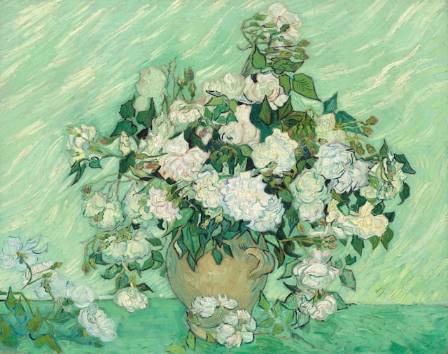
6 Beautiful Places in Europe to See Flowers — From March to August

6 Beautiful Places in Europe to See Flowers — From March to August

Europe is home to a variety of stunning destinations where flowers bloom throughout the year. If you're eager to experience the beauty of flowers, some places start showing blooms as early as March, depending on the location.

10 एक जीवन भर के नौका विहार रोमांच

10 एक जीवन भर के नौका विहार रोमांच

नीले पानी की चमक, मछली की छलांग की झलक, और आपकी त्वचा पर ताजी हवा और धूप की भावना। पानी में ले जाना एक अन्य मन की स्थिति के लिए एक पोर्टल है - एक जो अधिक से अधिक लोग खोज रहे हैं, विशेष रूप से महामारी के दौरान और बाद में।

मेलोडी इन स्टाइल: संगीत और फैशन का गतिशील मेल

मेलोडी इन स्टाइल: संगीत और फैशन का गतिशील मेल

द बिजनेस स्टैंडर्ड संगीत और फैशन के बीच के मनोरम संबंध की पड़ताल करता है – जहां संगीत एक शक्तिशाली उत्प्रेरक के रूप में उभरा है, जो सांस्कृतिक क्रांतियों और शैली में उल्लेखनीय परिवर्तनों का निर्देशन करता है। संगीत उद्योग के प्रशंसकों का एक समर्पित अनुसरण है। और इन प्रशंसकों ने बार-बार उत्साह के नए मानदंड स्थापित किए हैं, अपने पसंदीदा संगीत कलाकारों के प्रति अपने प्रेम को व्यक्त करने के लिए हर संभव प्रयास किया है। उदाहरण के लिए, टेलर स्विफ्ट के प्रशंसकों को "स्विफ्टीज़" के नाम से जाना जाता है। उनमें से जिन्हें उनके एरास टूर के लिए टिकट नहीं मिल सके, उन्होंने कॉन्फ़ेटी, रेन पोंचो और यहां तक कि कॉन्सर्ट की "प्रामाणिक हवा" जैसे अजीबोगरीब सामान खरीदने का सहारा लिया। यह लगभग पूजा के एक रूप जैसा है, जहां प्रशंसक कलाकारों को उनकी प्रतिभा और प्रसिद्धि के लिए सम्मानित करते हैं। फैशन उद्योग ने लंबे समय से इस घटना को पहचाना है और अपने संग्रह को बढ़ावा देने के लिए संगीतकारों के साथ सहयोग किया है ताकि उनकी लोकप्रियता का लाभ उठाया जा सके। ऐसे कई उदाहरण मौजूद हैं जहां फैशन ब्रांड्स ने वैश्विक रॉकस्टार्स के साथ मिलकर उल्लेखनीय सहयोग किया है, जो दोनों पक्षों के लिए फायदेमंद साबित हुए हैं। इन साझेदारियों के परिणामस्वरूप ऐसे अभूतपूर्व संग्रह सामने आए हैं, जिन्होंने फैशन उद्योग पर स्थायी प्रभाव छोड़ा है।