फुल ब्रिफ
Understanding Digital vs. Physical Shutters in Photography
A camera's shutter serves as the gatekeeper for light, regulating the duration the sensor remains open to capture a scene. This specific window of time is commonly referred to as the exposure time or shutter speed.
Charlotte Grace Ellsworth
डेस्क रिपोर्टर
कॉन्टेक्स्ट
पढ़ते समय संदर्भ नोट्स साथ रखे गए हैं।
लाइन
डेली सिग्नल
A camera's shutter serves as the gatekeeper for light, regulating the duration the sensor remains open to capture a scene. This specific window of time is commonly referred to as the exposure time or shutter speed.
While every Canon EOS model incorporates a physical (mechanical) shutter, many modern versions—including all EOS R mirrorless systems and specific DSLRs like the EOS 90D—also provide a digital (electronic) alternative. Understanding the mechanics, advantages, and limitations of each is essential for mastering different photographic environments.
The Functional Differences Between Shutter Types
A traditional mechanical shutter consists of two physical blinds or curtains made of thin blades. To ensure light hits the sensor evenly, these curtains work in tandem. The process begins with the first curtain opening to reveal the sensor. Once the designated exposure time has passed, the second curtain follows in the same direction to block the light. Because both curtains move identically, every pixel on the sensor receives light for the exact same amount of time, ensuring consistent exposure across the frame.
In contrast, a digital shutter has no moving parts. It operates by instructing the sensor to record light for a specific duration. However, due to current hardware limits and data speeds, the sensor cannot usually save the entire image at once. Instead, it scans the data line by line from top to bottom. While this allows for incredibly fast "shutter speeds," the sequential nature of the data readout can lead to specific visual artifacts that a physical shutter avoids.
The Strengths of Digital Shutters
Digital shutters offer several distinct advantages, particularly in terms of speed and discretion. One of the most notable benefits is the ability to achieve exposure times far beyond the limits of physical parts. For instance, high-end cameras can reach speeds of 1/64,000 sec digitally, compared to a maximum of 1/8,000 sec mechanically. This allows photographers to freeze extremely fast motion that would otherwise be blurred.
Speed also applies to continuous shooting. Digital shutters often significantly increase the frames per second (fps) a camera can capture, sometimes tripling the rate compared to the mechanical counterpart. Furthermore, because there are no physical components moving inside the camera, the process is completely silent. This is a game-changer for shooting in sensitive environments like golf tournaments, quiet wedding ceremonies, or theater performances where a clicking sound would be disruptive.
Finally, digital shutters eliminate "shutter shock"—the minute vibrations caused by physical curtains moving. This ensures maximum sharpness, especially when using high-resolution sensors or long telephoto lenses.
Challenges Associated with Digital Shutters
The most prominent hurdle for digital shutters is the "rolling shutter" effect. Because the sensor reads data line by line, a very fast-moving object may change its position in the time it takes to scan from the top of the frame to the bottom. This can cause straight lines to appear tilted or moving objects to look distorted. While new "stacked" sensor designs have greatly increased readout speeds to minimize this, it remains a factor to consider.
Artificial lighting can also present issues. Many LED and fluorescent lights flicker at high frequencies. Because the digital shutter scans the sensor sequentially, this flickering can manifest as unsightly dark and light bands across the image. Additionally, syncing a flash with a digital shutter is technically difficult because the flash's burst is often much shorter than the time it takes to read the entire sensor.
The Merits of Physical Shutters
Physical shutters remain highly relevant because they provide a more stable capture of the entire frame at once. At high speeds, they are significantly less prone to rolling shutter distortion compared to most digital shutters. They are also generally more reliable when shooting under artificial lights, as they are less likely to produce banding.
Furthermore, physical shutters are the standard for flash photography. They allow for much easier synchronization, ensuring the flash illuminates the entire frame while the shutter is fully open.
The Limitations of Physical Shutters
Mechanical systems are inherently limited by physics. The blades can only move so fast, which caps the maximum shutter speed and the rate of continuous shooting. There is also a slight "lag" compared to the near-instantaneous activation of a digital shutter.
Additionally, the physical movement creates sound and minor vibrations. Over time, like any mechanical part, these shutters will eventually experience wear and tear after hundreds of thousands of cycles.
The Electronic Front-Curtain Shutter Hybrid
Many cameras offer a "Best of Both Worlds" option known as the Electronic Front-Curtain Shutter (EFCS). In this mode, the exposure begins digitally (eliminating initial vibration and sound) but ends with the physical second curtain closing. This provides a faster response time and quieter operation than a full mechanical shutter while avoiding the worst of the rolling shutter distortion. It is an excellent middle-ground for many professional scenarios, though it can occasionally affect the appearance of "bokeh" at very high shutter speeds.
Choosing the Right Tool for the Moment
Deciding which shutter to use depends entirely on your subject and environment. The digital shutter is your best tool when you require absolute silence, the highest possible frame rates, or ultra-fast speeds to freeze motion.
However, if you are working with studio strobes, shooting under flickery indoor lights, or capturing subjects moving at extreme speeds across your frame, the physical shutter or the EFCS hybrid will likely provide more consistent and distortion-free results.
अगली रिपोर्टें

What is Earth? A Journey Through the Living Planet
At first glance, asking “What is Earth?” may seem straightforward. Yet the answer reaches far beyond a simple definition. Earth is the world where we live, the only known place in the universe that supports life. It is a planet filled with oceans, towering mountains, vast deserts, dense forests, flowing rivers, and ever-changing weather systems.

एक्सेंट चेयर के साथ सजाने के लिए अंतिम गाइड
अपने घर के लिए फर्नीचर चुनना इसे और अधिक स्टाइलिश और कार्यात्मक बनाने में मदद करना चाहिए। एक ऐसा फर्नीचर जो इन दोनों बॉक्स को चेक करता है, वह है एक या दो एक्सेंट चेयर। घर की समग्र डिजाइन में एक्सेंट चेयर्स को जोड़ना सिर्फ एक अतिरिक्त सीट से कहीं अधिक है, यह एक आयामी सजावटी जोड़ है। यह टुकड़ा आपके एस्थेटिक को विविधता देगा और लुक को पूरा करेगा, जिससे एक्सेंट चेयर का चुनाव बहुआयामी हो जाता है। रंग और पैटर्न पर निर्णय लेने के अलावा, अंतिम चेयर चुनाव में कई बातों पर विचार किया जाना चाहिए। यह महत्वपूर्ण है कि चेयर को उस स्थान के अनुसार स्टाइल किया जाए जहां इसे रखा जाएगा। इंटीरियर डिजाइनर केली कोलिन्स ने कंट्री लिविंग के लिए सलाह दी है, "अगर एक्सेंट पीस ऐसा लगता है कि इसे लापरवाही से जगह में रखा गया है, तो पूरा कमरा असंतुलित हो जाएगा।" आप अपने स्पेस को एक एक्सेंट चेयर से सजाने की कोशिश करें जो रंग, पैटर्न, आकार और आकृति में पूरक हो, क्योंकि इसे मौजूदा डेकोर के साथ टकराव के बिना स्थान को भरना चाहिए।

पुष्प चित्रकला के लिए एक शुरुआती मार्गदर्शिका: छह सरल चरण
फूलों की कलाकृति बनाना एक बेहद सुखद अनुभव है जो आराम और रचनात्मकता दोनों प्रदान करता है। यह मार्गदर्शिका शुरुआती लोगों को एक खाली सतह को जीवंत फूल में बदलने का स्पष्ट और व्यवस्थित मार्ग दिखाती है। इन बुनियादी चरणों का पालन करके, कोई भी कला के माध्यम से प्रकृति के एक अंश को जीवंत बनाने की प्रक्रिया का आनंद ले सकता है।

डेज़ी के 6 सामान्य प्रकार
डेज़ी दुनिया के सबसे बड़े पौधों के परिवार में से एक है, जो दुनिया के 10 प्रतिशत फूलदार पौधों का निर्माण करता है। हालाँकि हम पारंपरिक रूप से केवल आम डेज़ी या गेरबेरा डेज़ी के बारे में सोचते हैं जब हम इस उज्ज्वल वसंत खिलने की कल्पना करते हैं, तो 20,000 से अधिक प्रकार के "डेज़ी" होते हैं। वास्तव में, डेज़ी सूरजमुखी, गुलदाउदी और यहाँ तक कि सलाद के साथ एस्टेरेसी परिवार से संबंधित है!
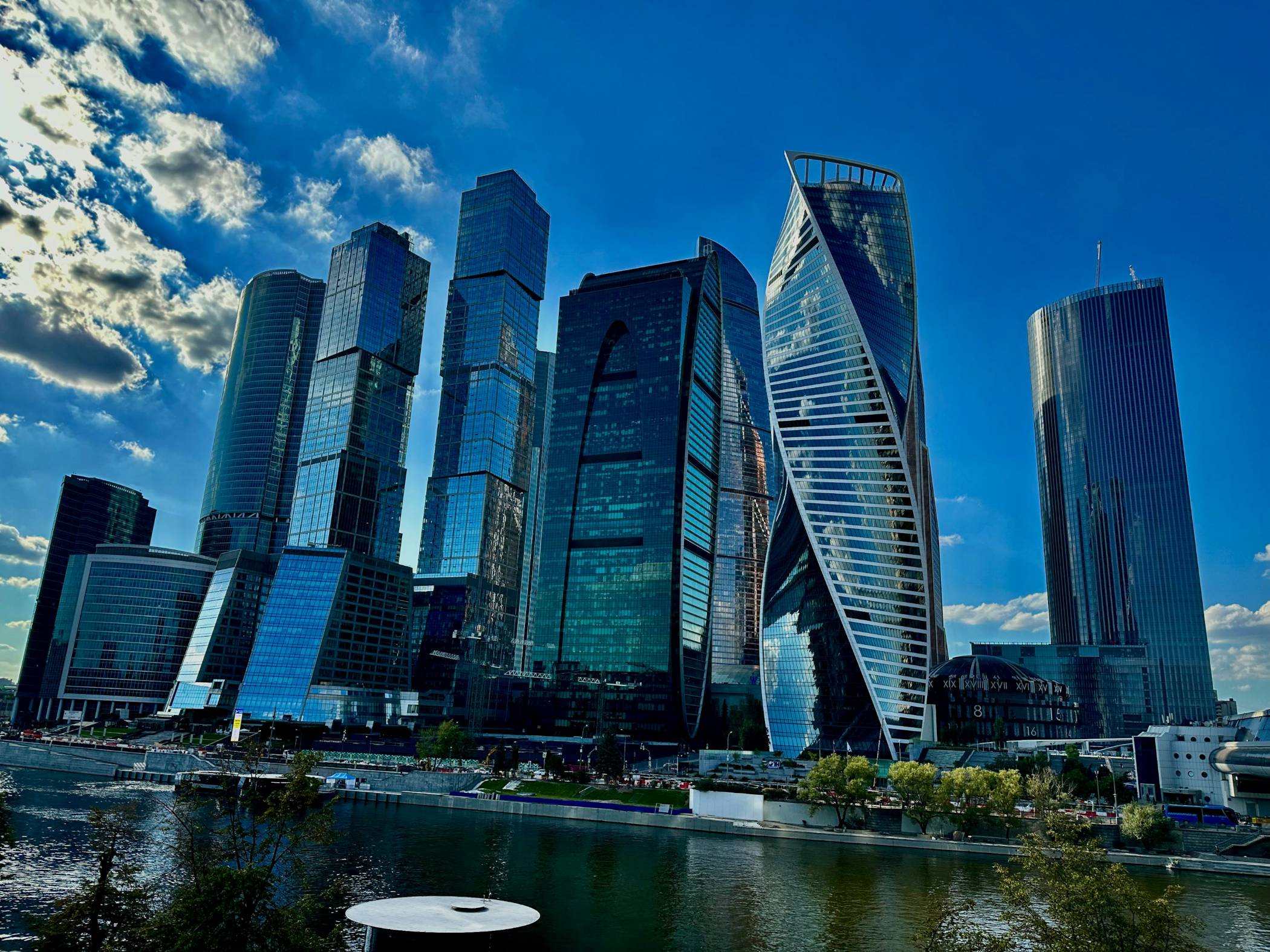
इवोल्यूशन टावर : मॉस्को शहर का स्पाइरल आर्किटेक्चरल लैंडमार्क
इवोल्यूशन टावर एक हेलिक्स की तरह ऊपर उठता है, जिसमें टेक्नोलॉजी और खूबसूरती का मेल है
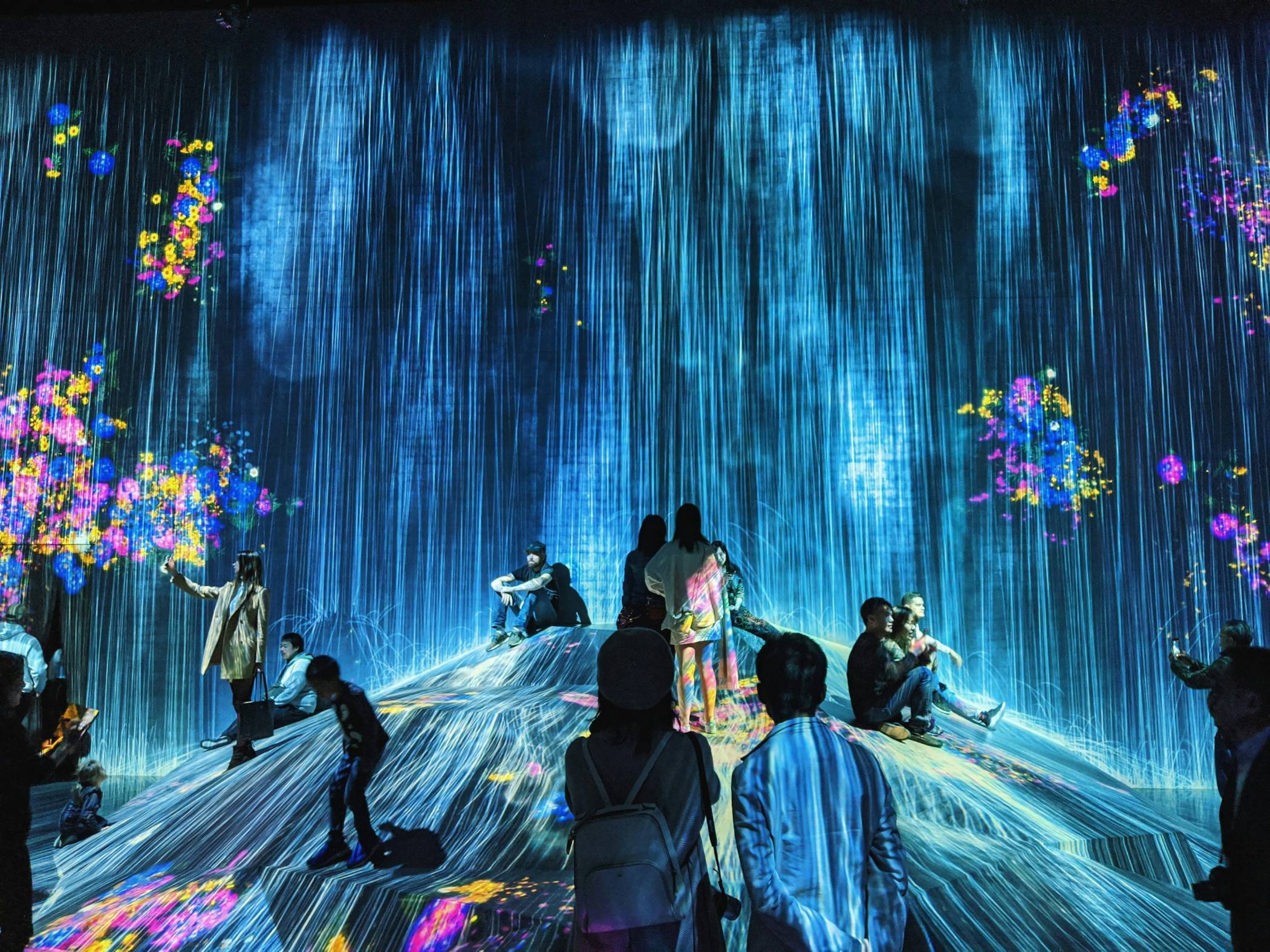
डिजिटल कला की दुनिया में हलचल मचाने वाले 7 नवोन्मेषी कलाकार
एक ऐसे साल में जिसमें हमने संग्रहालयों और दीर्घाओं को व्यापक रूप से बंद होते देखा, साथ ही दुनिया भर में सख्ती से लगाए गए लॉकडाउन के बाद सामाजिक और पेशेवर जीवन का तेज़ी से डिजिटलीकरण हुआ, ऑनलाइन प्रदर्शनियाँ और डिजिटल कला मज़बूती से आगे बढ़ी हैं। जैसे-जैसे दुनिया ने स्क्रीन-टाइम में वृद्धि और व्यक्तिगत सहयोग के लगभग पतन के साथ खुद को समेट लिया, 2020 में नए कलाकार उभरे और स्थापित कलाकारों को वैकल्पिक मीडिया और तकनीकों के साथ प्रयोग करने के लिए मजबूर होना पड़ा। इलेक्ट्रिक आर्टिफैक्ट्स आपको हमारे शीर्ष 7 कलाकारों के बारे में बताने के लिए यहाँ है जो वर्तमान में डिजिटल कला की दुनिया में नवाचार को आगे बढ़ा रहे हैं। इस सूची में कुछ जाने-माने कलाकार और कुछ कम परिचित कलाकार शामिल हैं जिनके काम को हम इस नए साल में फॉलो करने के लिए उत्साहित हैं।