← डेस्क पर लौटें4 मिनट का ब्रिफ

फुल ब्रिफ

Coffee: A Global Beverage

Coffee is a widely consumed beverage produced from the seeds of the coffee plant. This plant typically grows as a shrub or tree that can reach considerable height, though cultivators often prune it to a manageable size. Originally native to Africa, coffee plants are now cultivated across regions including South America, Central America, and Southeast Asia. Coffee farming plays a significant economic role in numerous countries.

F

Felix

डेस्क रिपोर्टर

कॉन्टेक्स्ट

पढ़ते समय संदर्भ नोट्स साथ रखे गए हैं।

लाइन

डेली सिग्नल

Coffee is a widely consumed beverage produced from the seeds of the coffee plant. This plant typically grows as a shrub or tree that can reach considerable height, though cultivators often prune it to a manageable size. Originally native to Africa, coffee plants are now cultivated across regions including South America, Central America, and Southeast Asia. Coffee farming plays a significant economic role in numerous countries.
The beverage is derived from the plant's seeds, commonly referred to as coffee beans. It is generally served hot and remains a beloved drink in many cultures worldwide. Coffee contains a natural compound known as caffeine, a mild stimulant that can enhance alertness and concentration.
Preparing coffee involves specific steps. After harvesting, the beans are dried to preserve freshness, then roasted to develop flavor. Before brewing, the roasted beans are finely crushed in a device called a coffee grinder. When the ground coffee is combined with hot water, its rich flavor and deep brown color infuse the liquid. This preparation process is known as brewing, and numerous methods exist to create a cup of coffee.

Varieties of Coffee Plants

Two primary species of coffee plants supply the beans used for brewing:
Arabica Coffee: This variety is the most prevalent, accounting for the majority of coffee consumed globally.
Robusta Coffee: This type is more resilient and can thrive in conditions where Arabica may struggle.
Robusta beans generally cost less and contain higher caffeine levels than Arabica. They are frequently used in commercial coffee products. However, Robusta can possess a somewhat bitter and acidic flavor when consumed alone, so it is often blended with other components. Certain higher-grade Robusta beans are incorporated into some espresso mixes.
Historically, new Arabica varieties were named after the shipping ports from which they were exported. Two longstanding examples are "Mocha" and "Java." Contemporary labeling practices are more precise, often indicating the country, region, and sometimes the specific estate where the beans originated.

Processing Coffee Beans

Aging Coffee Beans
Certain coffees develop improved flavor through an aging process. After harvesting and drying, the beans are stored for several years—typically between three to eight—which reduces acidity and refines the taste. Aged beans are commonly blended with non-aged varieties.
 
Roasting Coffee Beans
Roasting is a crucial stage in transforming raw coffee beans into a consumable product. During roasting, beans expand significantly and undergo a color transformation from green to yellowish and finally to brown.
The duration of roasting influences the final flavor profile. Lighter roasts, such as those used for Mocha and Java, preserve distinct regional characteristics. Longer roasting times tend to obscure the unique traits of different beans. It is also possible to purchase unroasted green beans and roast them at home using a standard oven.
Grinding Coffee Beans
Before brewing, coffee beans are crushed into small particles using a grinding device. The coarseness of the grind should correspond to the brewing technique. For instance, espresso requires an extremely fine powder, while filtered coffee calls for a coarser grind to prevent passage through the filter. A finer grind typically produces a more intense flavor.
Brewing Coffee
Brewing refers to the method of extracting flavor from coffee grounds using hot water. Several common techniques include:
Boiling: Grounds and water are combined in a pot and heated gradually. This traditional approach, practiced for centuries, remains popular in the Middle East, North Africa, Turkey, and Greece.
Pressure: Pressurized hot water is forced through finely ground coffee using an espresso machine. Espresso is a concentrated coffee base used in many specialty drinks and is commonly served in cafés and restaurants.
Gravity: In drip or filtered coffee, hot water passes through a filter containing ground coffee. The filter retains the solids while allowing the infused liquid to collect in a pot or carafe.
Steeping: Coffee grounds are soaked in hot water for a period before being separated. A French press (cafetière) employs this method, using a plunger to isolate the grounds after steeping. Single-serving packets are another convenient steeping option, where a pre-portioned packet is placed in a cup, covered with hot water, and then removed.

Coffee Consumption Habits

The United States is the largest importer of coffee, followed by Germany. However, on a per capita basis, Finland leads in coffee consumption. In North America and Europe, many establishments known as cafés or coffeehouses specialize in serving coffee alongside light meals, though the food offerings vary by country.
In certain nations, particularly in Northern Europe, social gatherings called coffee parties are popular, featuring coffee and cake.
Coffee is frequently consumed in workplace settings. In the United States and England, morning consumption is common, while in countries like Mexico, it may be enjoyed in the evening to maintain alertness.

Coffee and Well-being

Coffee includes caffeine, a mild stimulant that can increase wakefulness and focus. As with many consumables, moderate intake is advisable.
Some individuals opt for coffee alternatives or decaffeinated coffee, which has undergone a process to remove most of the caffeine content.
The United States is the largest importer of coffee, followed by Germany. However, on a per capita basis, Finland leads in coffee consumption. In North America and Europe, many establishments known as cafés or coffeehouses specialize in serving coffee alongside light meals, though the food offerings vary by country.
In certain nations, particularly in Northern Europe, social gatherings called coffee parties are popular, featuring coffee and cake.
Coffee is frequently consumed in workplace settings. In the United States and England, morning consumption is common, while in countries like Mexico, it may be enjoyed in the evening to maintain alertness.

Coffee and Well-being

Coffee includes caffeine, a mild stimulant that can increase wakefulness and focus. As with many consumables, moderate intake is advisable.
Some individuals opt for coffee alternatives or decaffeinated coffee, which has undergone a process to remove most of the caffeine content.

अगली रिपोर्टें

The Ultimate Guide to Selecting the Ideal Sunglasses

The Ultimate Guide to Selecting the Ideal Sunglasses

When your favorite pair of sunglasses inevitably gets damaged, the hunt for a replacement can feel overwhelming. Most people find themselves lost in a sea of questions regarding frame colors, lens types, and the dreaded "face shape" rules. It is time to simplify the process and debunk a common industry myth to help you find eyewear that actually looks great.
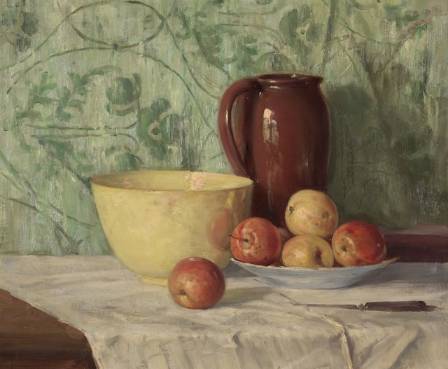
स्टिल लाइफ पेंटिंग की कला में महारत हासिल करें: नौ चरणों वाली निर्देशात्मक मार्गदर्शिका

स्टिल लाइफ पेंटिंग की कला में महारत हासिल करें: नौ चरणों वाली निर्देशात्मक मार्गदर्शिका

कैनवास पर स्थिर जीवन की भावना को चित्रित करना हर स्तर के कलाकारों का पसंदीदा शौक है। चाहे आप पहली बार ब्रश उठा रहे हों या एक अनुभवी चित्रकार हों जो अपनी तकनीक को निखारना चाहते हों, यह मार्गदर्शिका आपको अनानास, सेब और केले सहित फलों की एक जीवंत रचना बनाने के लिए एक विस्तृत मार्गदर्शन प्रदान करती है। आप आवश्यक उपकरणों से लेकर रंग सिद्धांत और ब्रश चलाने की तकनीकी बारीकियों तक सब कुछ जानेंगे।

A Comparison of Modern and Medieval Landscape Architecture

A Comparison of Modern and Medieval Landscape Architecture

Many centuries ago, landscape architecture embraced gardens for purposes like plant cultivation, the appreciation of nature's beauty, relaxation, leisurely strolls, and children's play areas. Today, gardens have transformed into a form of artistic expression and are cultivated as a leisure pursuit. Consequently, landscape architecture has undergone significant evolution over time, shifting its focus toward more sustainable and functional structures.

NFL की सबसे कीमती टीमें 2025

NFL की सबसे कीमती टीमें 2025

हर हिट, हर गिरावट, हर दहाड़ मैदान पर लिखी हिम्मत की कहानी कहती है
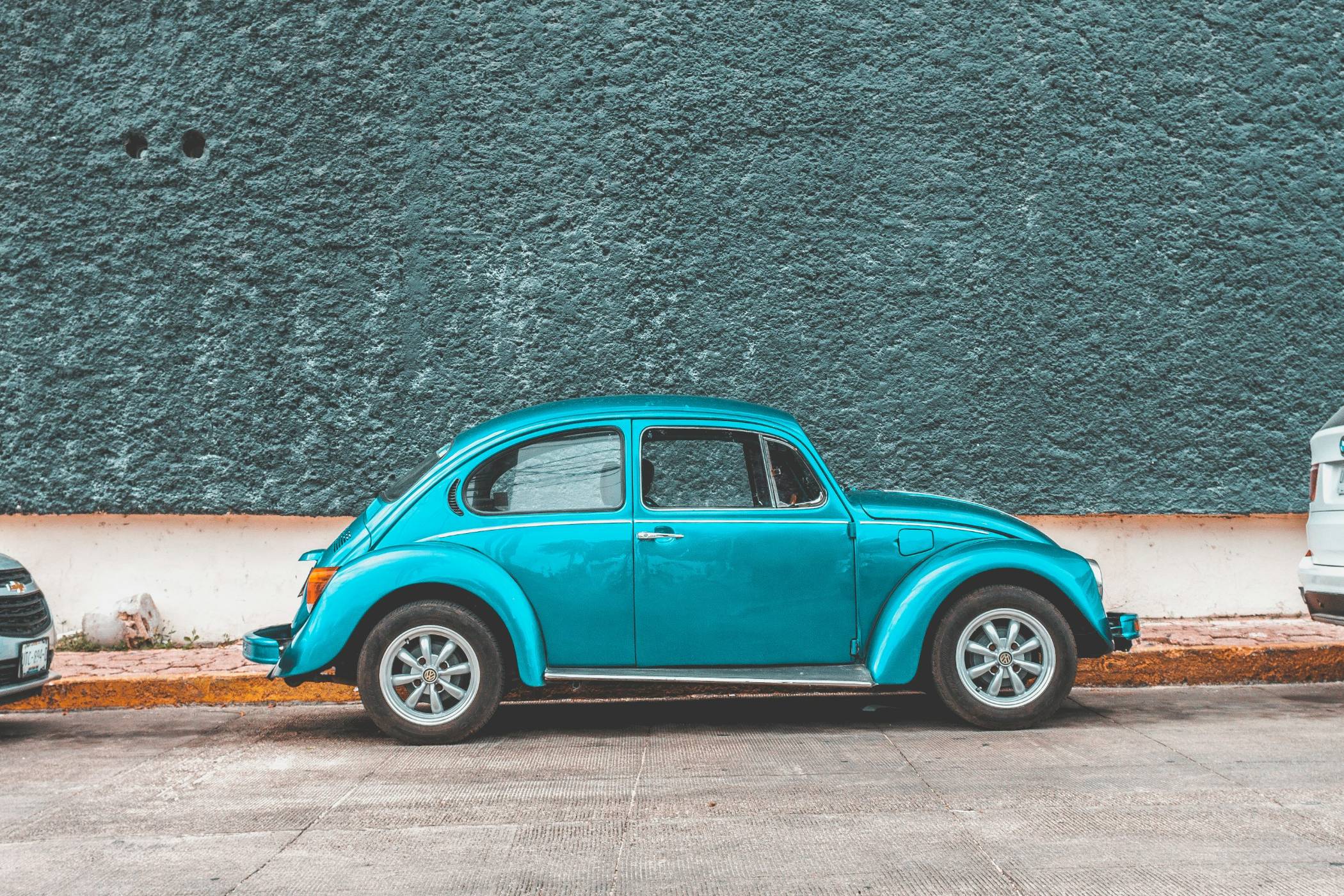
अब तक के 10 सबसे प्रतिष्ठित वोक्सवैगन बीटल मॉडल

अब तक के 10 सबसे प्रतिष्ठित वोक्सवैगन बीटल मॉडल

वोक्सवैगन बीटल, बिना किसी संदेह के, अब तक बनाई गई सबसे प्रतिष्ठित कारों में से एक है। सबसे पुराने नामप्लेट में से एक के रूप में, समय के साथ कार के कई अलग-अलग मॉडल आए हैं। हालाँकि उनमें से सभी सही या लोकप्रिय नहीं रहे हैं, लेकिन बीटल एक क्लासिक कार है जिसे आज भी उत्साही लोग पसंद करते हैं। इस सूची में, हम वोक्सवैगन बीटल के विभिन्न मॉडलों पर नज़र डालेंगे, जो इतिहास के 10 सबसे प्रतिष्ठित मॉडल हैं।

कलात्मक मार्गदर्शिका: नदी किनारे के ग्रामीण परिदृश्य का चित्रण

कलात्मक मार्गदर्शिका: नदी किनारे के ग्रामीण परिदृश्य का चित्रण

नदी किनारे बसी बस्ती का जीवंत चित्रण करना, भूदृश्य रचना और रंग संयोजन का अभ्यास करने का एक बेहतरीन तरीका है। यह ट्यूटोरियल एक पारंपरिक गाँव के शांत वातावरण को दर्शाने पर केंद्रित है, जिसमें सरल आकृतियों और चमकीले रंगों का उपयोग करके दृश्य को सजीव बनाया गया है। एक संरचित, चरण-आधारित दृष्टिकोण का पालन करके, कलाकार वास्तुशिल्प तत्वों, जल और प्राकृतिक वनस्पतियों के बीच संतुलन स्थापित कर सकते हैं।