फुल ब्रिफ
Tech Companies Are Making Their Robots Cute
Whether they are delivering meals or handling household chores, robots that interact directly with humans are increasingly designed to be more approachable and endearing.
Avery Scott
डेस्क रिपोर्टर
कॉन्टेक्स्ट
पढ़ते समय संदर्भ नोट्स साथ रखे गए हैं।
लाइन
डेली सिग्नल
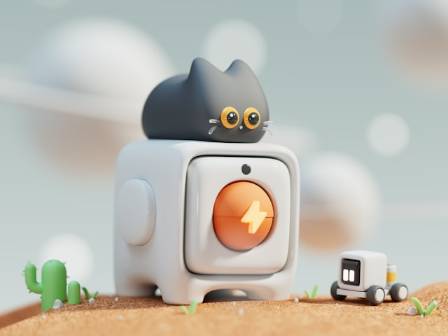
Whether they are delivering meals or handling household chores, robots that interact directly with humans are increasingly designed to be more approachable and endearing.
Last week, when heavy rain swept through Los Angeles, some residents found themselves empathizing with an unusual sight: a delivery robot struggling through water and scattered debris. A video posted to Instagram showed the small autonomous vehicle trying to mount a flooded curb, prompting a viewer to comment, “She’s doing her best, you guys… I’m so sad. This is an empath’s nightmare.”
In cities worldwide, robots that share sidewalks often feature expressive faces and even names. People observing them frequently respond with care, helping them navigate obstacles, pressing crosswalk buttons, and wishing them luck as they go about their tasks.
As AI-enabled robots become more common in homes and public spaces, developers are racing to make them more appealing to humans. One key approach has been to give robots cute, almost animal-like features.
“If you’re creating a robot, you certainly wouldn’t want it to seem intimidating,” said Ellie Sanoubari, a robotics designer and postdoctoral researcher specializing in human-robot interaction. “You want people to feel at ease, to know it’s friendly and won’t cause harm.”
Historically, robots were mostly used in factories, requiring specialized knowledge to operate. Sanoubari predicts a growing class of robots designed to engage directly with people will become increasingly common in everyday life.
This has led to design choices such as oversized heads, large eyes, and playful sounds — features that tap into deep, instinctive human responses.
DoorDash, the leading food delivery company in the U.S., designed its robot Dot with these principles in mind. The autonomous delivery vehicle, launched last fall, can navigate city streets at speeds up to 25 miles per hour. Beyond performance, its design aims to foster trust and acceptance among people.
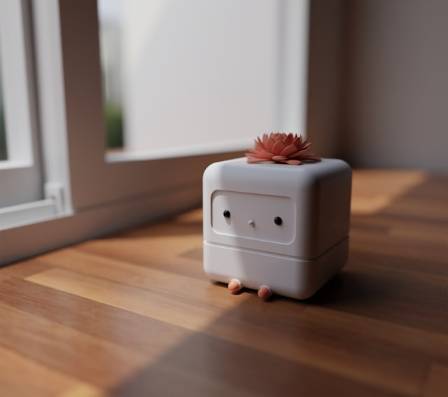
“As humans, we are social beings,” said Ashu Rege, DoorDash’s VP of autonomy. “We have pets and companions, and robots like Dot are designed to feel like a friendly member of that ecosystem. They have personality and character.”
Dot’s rounded form was intentional, based on studies showing humans generally prefer curves over sharp, boxy shapes. Its large circular eyes serve as signals for pedestrians, indicating its planned movements and helping guide safe crossings. It even makes sounds to announce its presence or alert nearby humans.
Rege hopes these design choices will help people intuitively understand Dot’s intentions and build trust over time. Currently, Dot operates around Phoenix, with plans to expand to other cities.
Other companies are also pursuing human-friendly designs. Interaction Labs, a startup in California, collaborated with “Toy Story” writer Alec Sokolow to design Ongo, a robotic desk lamp. Ongo has wide eyes, speaks in a playful tone, and moves in a lively, animated fashion reminiscent of Pixar characters.
Unlike chatbots, Ongo has a physical presence: it can bounce, peek over shoulders, and respond to humans in real time. Sokolow described it as a hybrid between a pet and a concierge. “It’s like a character from ‘The Jetsons,’” he said. “We wanted to give it a distinct personality.”
Sanoubari warned, however, that as robots gain more lifelike traits, people could develop emotional dependencies similar to those seen with chatbots. Robotic toys and companion pets already raise questions about privacy, safety, and suitability for children.
Transparency about a robot’s artificial nature is especially important when interacting with vulnerable populations, such as children or seniors. Even robots without an overtly cute design often end up being anthropomorphized by users, much like people naming and decorating their Roomba vacuums.
Sunday Robotics’ Memo robot, designed to help with household chores like folding laundry and loading dishwashers, has a soft, approachable appearance reminiscent of Baymax from Disney’s “Big Hero 6.”
Fabian Fernandez-Han, marketing lead at Sunday Robotics, explained that they aimed for a humanlike look without crossing into the “uncanny valley,” which can make robots feel unsettling. “Some people have compared it to a Nintendo or Lego-style figure,” he said. “We want it to feel robust, yet safe and approachable — a middle ground that’s tricky to achieve.”
As Memo enters beta testing, the team is experimenting with features to enhance its appeal, including customizable hats and accessories.
Brian Comiskey, senior director of innovation and trends at the Consumer Technology Association, noted that developers are balancing a robot’s functional responsiveness with its physical charm. “By giving robots soft features, eyes, faces, and gestures that mimic humans, people naturally connect with them faster,” he said.
The CTA tracks the growing consumer robotics sector, fueled by AI advancements. While software capabilities have surged in recent years, hardware is still catching up. “This is the intelligence decade, the 2020s,” Comiskey said. “Early on, focus was on AI and software. Now, the second half of the decade will be defined by physical AI — robotics.”
At the recent CES in Las Vegas, over 600 robotics exhibitors showcased products, including Tombot’s robotic Labrador, Jennie, designed as an emotional support companion.
As more robots gain lifelike traits and social intelligence, the industry aims to make them not just functional, but relatable and endearing, creating new possibilities for human-robot interaction in everyday life.
अगली रिपोर्टें

पुष्प चित्रकला के लिए एक शुरुआती मार्गदर्शिका: छह सरल चरण
फूलों की कलाकृति बनाना एक बेहद सुखद अनुभव है जो आराम और रचनात्मकता दोनों प्रदान करता है। यह मार्गदर्शिका शुरुआती लोगों को एक खाली सतह को जीवंत फूल में बदलने का स्पष्ट और व्यवस्थित मार्ग दिखाती है। इन बुनियादी चरणों का पालन करके, कोई भी कला के माध्यम से प्रकृति के एक अंश को जीवंत बनाने की प्रक्रिया का आनंद ले सकता है।

15 Coastal Cottage Design Concepts for an Oceanside Escape
You don’t have to reside on the coast to enjoy the tranquil atmosphere of a beachside retreat. This relaxed aesthetic is versatile enough to enhance any part of your home, including the kitchen, bath, sleeping quarters, and utility rooms. Whether you are aiming for a sophisticated seaside look or a laid-back surfer’s lounge, these design ideas will help you cultivate a refreshing sanctuary regardless of your geographic location.
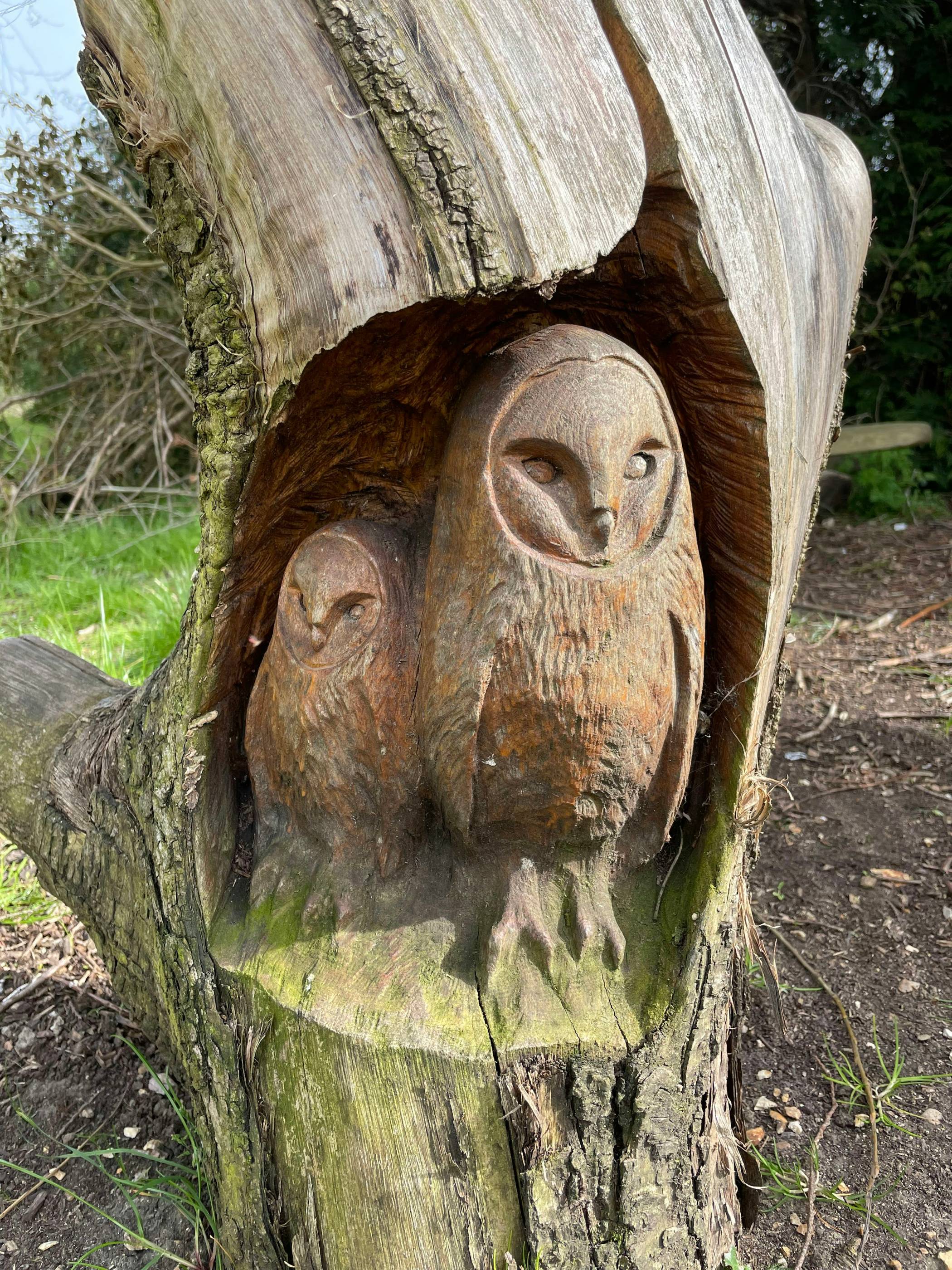
मृतकों की कला: रोम के पेड़ों में बसी खूबसूरती
रोम: 22 वर्षीय रोमन मूर्तिकार एंड्रिया गैंडिनी, इटरनल सिटी के मृत पेड़ों के ठूंठों को कला के बहुत प्रशंसनीय टुकड़ों में बदलकर अपना नाम बना रहे हैं। गैंडिनी, जिन्होंने लगभग पाँच साल पहले पेड़ों पर नक्काशी शुरू की थी, ने शुक्रवार को विशाल विला पैम्फिली पार्क में अपने 66वें ठूंठ को काटा। उनके पास काम करने के लिए बहुत सारा कच्चा माल है। रोम को यूरोप के सबसे हरे-भरे शहरों में से एक के रूप में जाना जाता है, जहाँ 313,000 पेड़ इसके कई पार्कों को भरते हैं और शहर के केंद्र में सड़कों पर लगे हैं। हालाँकि, कई पेड़ लगभग एक सदी पहले लगाए गए थे और अब कमज़ोर हो गए हैं या मर रहे हैं। यह देखकर कि उन्हें किस तरह से उपेक्षित किया गया था, गैंडिनी ने कार्रवाई करने का मन बनाया।

Unlocking the Secrets of How Modern Radar Works
Every modern meteorological tracking station relies entirely on Doppler technology. The classic rotating sweep line often seen on traditional displays is no longer physically accurate. Local news channels frequently feature a sweeping visual element on broadcasts, yet that motion is purely a computer simulation created for visual effect. The term radar originates from an acronym representing radio detection and ranging. As the expression suggests, these advanced units emit electromagnetic signals to evaluate the exact separation distance and motion speed of remote targets. A standard detection apparatus incorporates a transmission unit to launch signals alongside a receiving component to capture bounced energy. Advanced weather equipment utilizes a single specialized antenna that handles both sending and receiving duties seamlessly.

एक ग्रह की परिभाषा
यह शब्द प्राचीन ग्रीक शब्द planēt पर वापस चला जाता है, और इसका अर्थ है "वांडरर।"
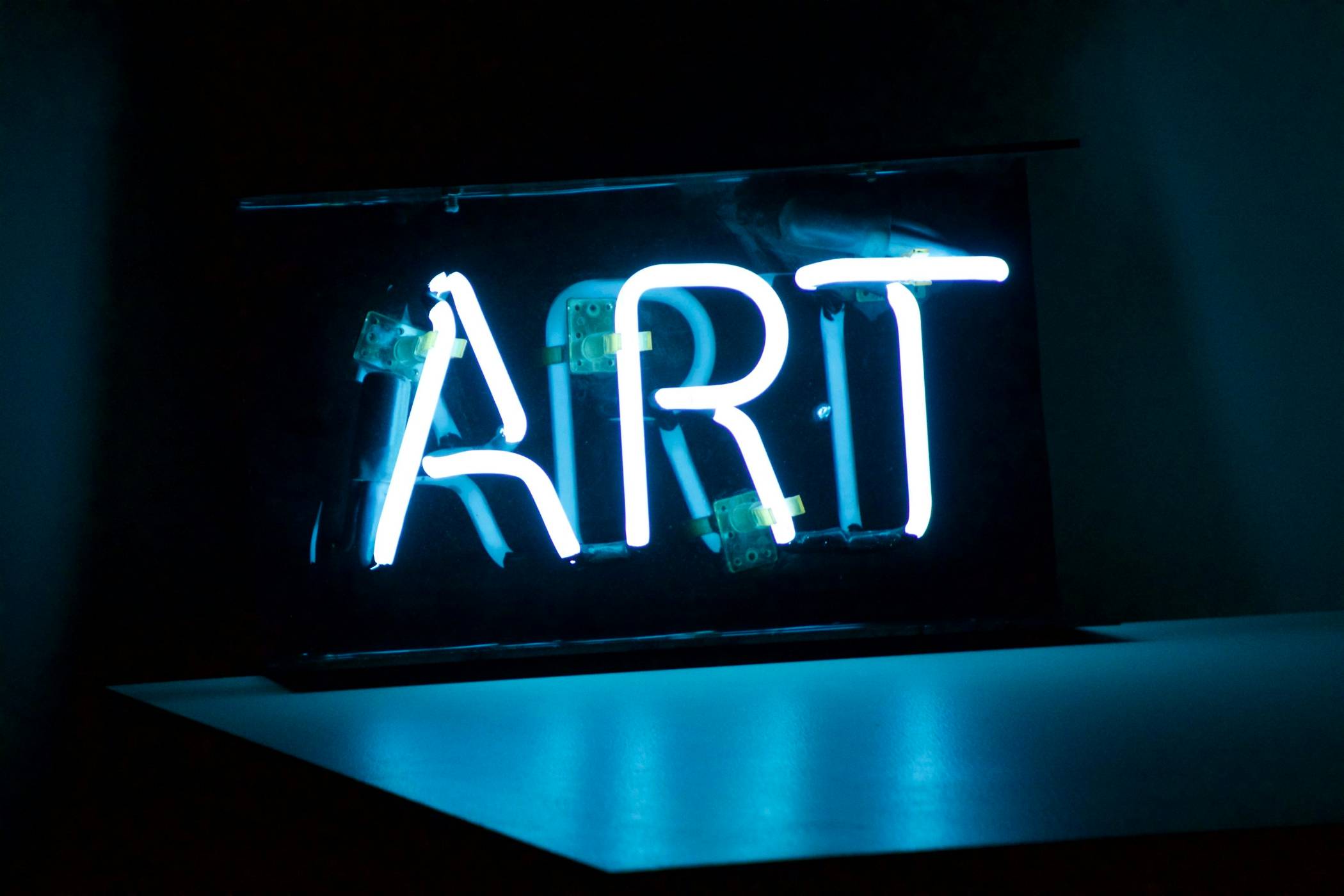
कला और प्रौद्योगिकी के प्रतिच्छेदन की खोज करने वाले 5 दृश्य कलाकार
प्राचीन काल से ही कलाकार अपनी रचनात्मकता और कल्पना का उपयोग अपने कामों के माध्यम से खुद को अभिव्यक्त करने के लिए करते रहे हैं। लेकिन क्या होता है जब वे पारंपरिक मानकों से परे जाने के लिए कृत्रिम बुद्धिमत्ता की सहायता लेते हैं? कलाकार अब कला बनाने के लिए मशीन लर्निंग एल्गोरिदम और न्यूरल नेटवर्क की खोज कर रहे हैं। तो आइए इन पाँच अद्भुत कलाकारों के साथ कला और प्रौद्योगिकी की दुनिया में गहराई से उतरें!