फुल ब्रिफ
6 Birds' Natural Habitats
Bird species exhibit a strong affinity for specific types of natural habitats, each offering distinct resources and ecological niches. While there is some overlap in the resources provided by different habitats, certain environments excel in providing particular resources, shaping the distribution and abundance of avian communities. Understanding the characteristics of various habitats aids in birdwatching and conservation efforts.
Sarah
डेस्क रिपोर्टर
कॉन्टेक्स्ट
पढ़ते समय संदर्भ नोट्स साथ रखे गए हैं।
लाइन
डेली सिग्नल
Bird species exhibit a strong affinity for specific types of natural habitats, each offering distinct resources and ecological niches. While there is some overlap in the resources provided by different habitats, certain environments excel in providing particular resources, shaping the distribution and abundance of avian communities. Understanding the characteristics of various habitats aids in birdwatching and conservation efforts.
Heathland
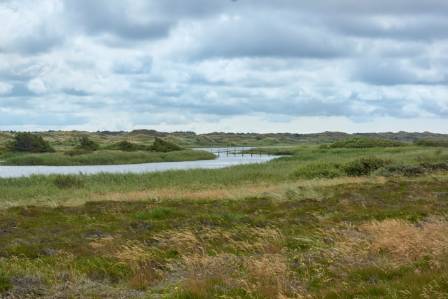
Heathlands typically thrive on infertile soils, particularly near coastal areas where they endure exposure to wind and salt spray. Characterized by low vegetation, with most plants standing under two meters in height, heathlands form dense, prickly habitats ideal for sheltering small birds. Notably, plants belonging to the Proteaceae family, such as banksias, are common in heathlands, producing nectar-rich flowers that attract honeyeaters, making them prominent inhabitants of this habitat.
Woodland
Woodlands are defined by a dominant tree presence, albeit with a relatively sparse canopy cover. Eucalypts typically dominate the canopy, while the understorey often comprises native grasses. Once prevalent in the western regions of the Sydney Basin, woodlands have faced extensive clearing for agricultural and urban development, rendering them increasingly scarce. Consequently, bird species reliant on woodland habitats are among the most vulnerable in Australia.
Forest
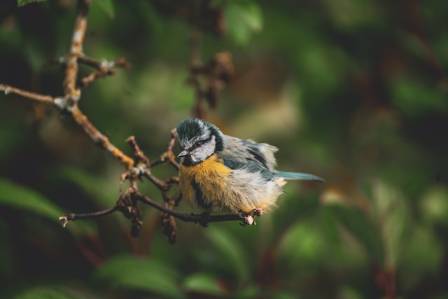
Forests, characterized by a denser canopy cover than woodlands, are dominated by eucalypts. Wet-sclerophyll forests feature tall canopies exceeding 30 meters and a soft-leaved understorey, while dry-sclerophyll forests boast canopies ranging from 10 to 30 meters in height, with a hard-leaved understorey comprising wattles, peas, and boronias.
Rainforest
Rainforests thrive on nutrient-rich soils with high moisture levels, featuring a closed canopy exceeding 30 meters in height. While eucalypts may be present in Sydney's rainforests, species like figs, red cedar, and cabbage-tree palms are also prominent. Fleshy fruits and berries produced by rainforest plants serve as vital food sources, particularly for parrots and pigeons.
Wetland
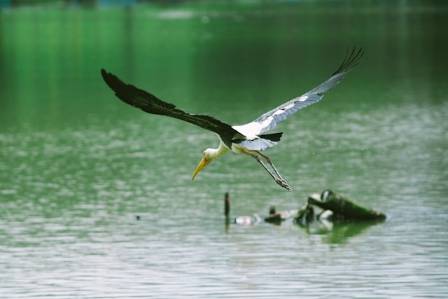
Wetlands encompass low-lying areas subject to periodic inundation, supporting diverse ecosystems ranging from freshwater to saline environments. These habitats are crucial for species not found in other ecosystems.
Coastal
Coastal habitats, including beaches, headlands, estuaries, and rock platforms, harbor numerous seabird species unique to Australia's coastal regions. These dynamic environments provide vital nesting and foraging grounds for diverse avian populations.
अगली रिपोर्टें
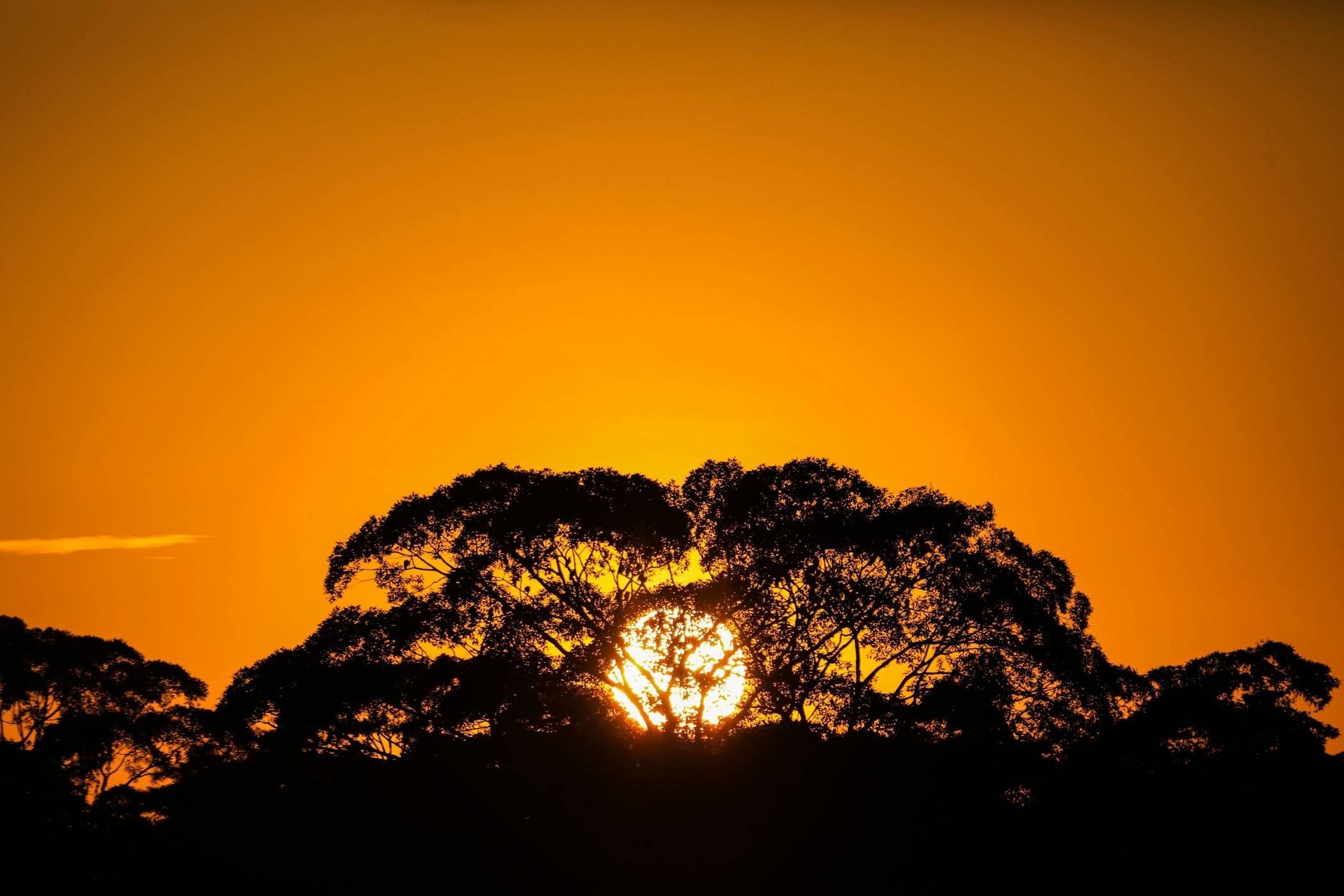
पारिस्थितिकी से परे: संस्कृति के केंद्र में पेड़
पेड़ों को संरक्षित करने के कई पारिस्थितिक कारण हैं। वे जानवरों को आश्रय प्रदान करते हैं, मिट्टी की उर्वरता को नियंत्रित करते हैं, और जलवायु संकट से निपटने के लिए महत्वपूर्ण हैं क्योंकि वे ग्रीनहाउस गैसों को अवशोषित करते हैं। पेड़ और जंगल दुनिया भर के लोगों के लिए गहरा सांस्कृतिक महत्व भी रखते हैं।
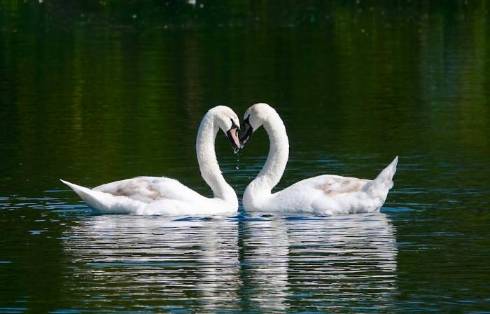
Unveiling the Enigmatic Swans: 10 Fascinating Insights
Swans, the elegant giants of the avian world, possess a distinct allure that sets them apart from their feathered counterparts. While their graceful presence is undeniable, there's more to swans than meets the eye. Delve into the enchanting world of these majestic creatures and uncover the astonishing facts that make them even more captivating.
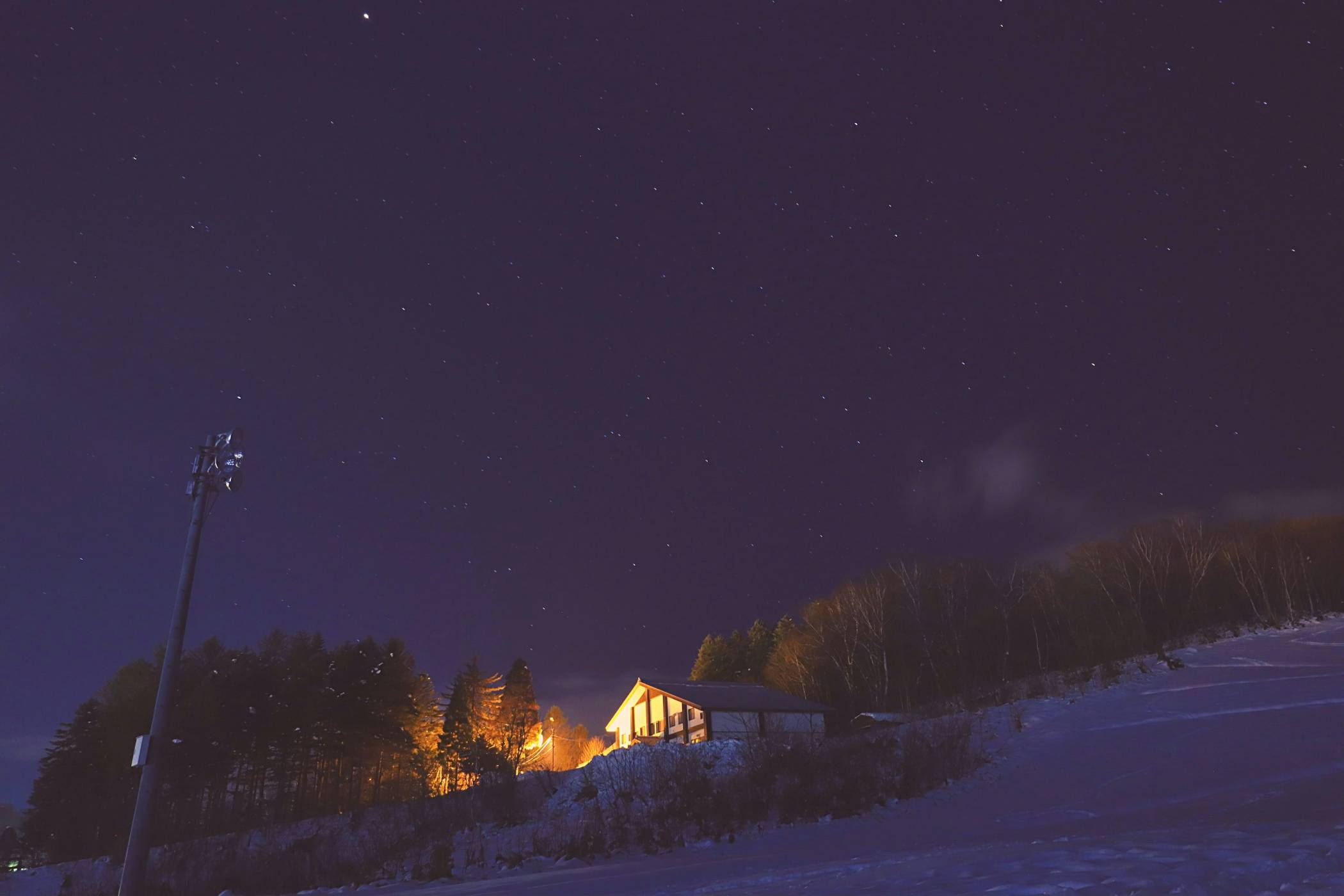
अमेरिका में नंगी आँखों से तारों को देखने के लिए 13 सर्वश्रेष्ठ स्थान
अधिकांश अमेरिकी (और दुनिया की बाकी आबादी का अधिकांश हिस्सा) अब खराब रात के आसमान के नीचे रहते हैं। कृत्रिम प्रकाश प्रदूषण ने रात के बाद के आकाशीय शो को इस तरह से खराब कर दिया है कि अमेरिका के दो-तिहाई से ज़्यादा निवासी जहाँ रहते हैं, वहाँ से आकाशगंगा नहीं देख सकते। प्राचीन आकाशीय तमाशे का आनंद लेना - हज़ारों टिमटिमाते सितारे, धधकते ग्रह, राशि चक्र की रोशनी की रहस्यमयी चमक, उल्का वर्षा की ज्वलंत धारियाँ और अन्य स्वर्गीय घटनाएँ - अपने प्राचीन (या लगभग इतने ही) बेहतरीन रूप में ग्रामीण इलाकों या पूरी तरह से जंगल में जाने के कई आकर्षणों में से एक है। और ऐसे गहरे अंधेरे रात के आसमान की अनमोलता पर ध्यान दिया जा रहा है। एरिजोना स्थित इंटरनेशनल डार्क-स्काई एसोसिएशन (IDA) ने दुनिया भर में लगभग 200 डार्क स्काई प्लेस को नामित किया है, जिसमें अमेरिका में कई इंटरनेशनल डार्क स्काई पार्क, रिजर्व और अभयारण्य शामिल हैं। न केवल प्राकृतिक रूप से शानदार रात के आसमान की विशेषता, बल्कि खगोलीय व्याख्या और प्रकाश प्रदूषण को दूर रखने के लिए ठोस प्रयासों के अवसर, ये साइटें निश्चित रूप से कहीं भी तारों को देखने के लिए सबसे अच्छी जगहों में से एक हैं। निम्नलिखित उदाहरण - जिनमें से अधिकांश में किसी प्रकार का औपचारिक IDA पदनाम है - सभी में शानदार साफ रात का आसमान है, इतना शानदार कि आप उन्हें नंगी आँखों से ही निहार सकते हैं। (यह कहना नहीं है कि दूरबीन या टेलिस्कोप का एक सेट साथ रखने के लिए एक मूल्यवान सहायक उपकरण नहीं होगा।) और केवल इतना ही नहीं, बल्कि उन सितारों से भरे आकाश के नीचे की धरती का दृश्य भी बहुत ही अद्भुत है। जब आप जंगली पहाड़ों, टेढ़े-मेढ़े घाटियों या विशाल, शांत जंगलों के बीच स्थित होते हैं, तो नक्षत्रों का अध्ययन करना, उल्कापिंडों को देखना और आकाशगंगा की मोती जैसी महिमा का आनंद लेना और भी शानदार होता है।

Get More Tech for Less: Cars That Deliver
In today’s auto market, you no longer have to pay luxury prices to get luxury-level tech. Several fairly affordable vehicles now pack in safety systems, connectivity, and infotainment features that used to be found only in premium models. If you’re looking for high-tech content without overspending, here are what to look for—and which models are doing it best.

पक बैटल: माइंडसेट, टेक्निक और कैसे बेहतर करें
हर ग्लाइड, हर स्ट्राइक, सटीकता, पावर और निडर इंस्टिंक्ट का डांस है
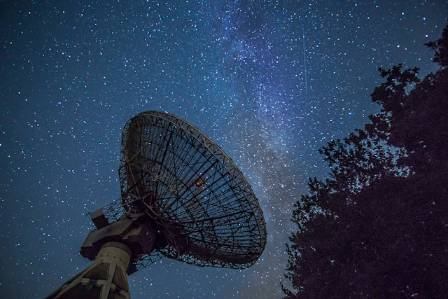
Unlocking the Secrets of How Modern Radar Works
Every modern meteorological tracking station relies entirely on Doppler technology. The classic rotating sweep line often seen on traditional displays is no longer physically accurate. Local news channels frequently feature a sweeping visual element on broadcasts, yet that motion is purely a computer simulation created for visual effect. The term radar originates from an acronym representing radio detection and ranging. As the expression suggests, these advanced units emit electromagnetic signals to evaluate the exact separation distance and motion speed of remote targets. A standard detection apparatus incorporates a transmission unit to launch signals alongside a receiving component to capture bounced energy. Advanced weather equipment utilizes a single specialized antenna that handles both sending and receiving duties seamlessly.