फुल ब्रिफ
The Hidden Wonders of Caribbean Coral Reefs and the Structural Secrets of Their Undersea Worlds
The majestic coral reefs of the Caribbean flourish within a relatively concentrated segment of the tropical oceans of our planet. This interconnected biological zone is widely designated by researchers as the greater Caribbean or the tropical Western Atlantic. The sprawling marine environment reaches from the northern islands of the Bahamas down through the heart of the Caribbean Sea and along the northeastern coastline of South America, encompassing the vibrant aquatic environments surrounding both the Greater and Lesser Antilles. Positioned significantly further north than the primary Bahamas archipelago, the tiny isolated island of Bermuda represents a fascinating geographical anomaly as an unexpected northern outpost for thriving coral structures. Marine organisms manage to endure the year-round seasonal shifts in Bermuda solely due to the constant warmth provided by the rushing currents of the Gulf Stream. These complex marine networks are characterized by a highly specific collection of stony coral species that build the foundations for an array of native marine creatures, many of which carry exceptional economic importance for local populations. Beyond their ecological significance, these living barriers provide vital structural protection for nearby coastal communities by absorbing the immense wave energy generated by the powerful hurricanes that frequently sweep across these tropical waters.
Nora Mitchell
डेस्क रिपोर्टर
कॉन्टेक्स्ट
पढ़ते समय संदर्भ नोट्स साथ रखे गए हैं।
लाइन
डेली सिग्नल
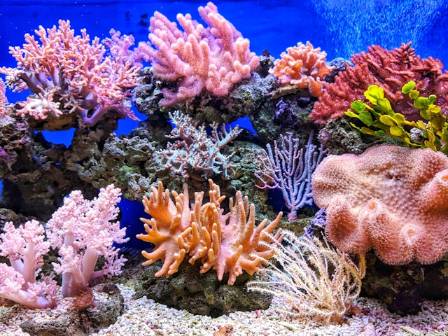
The majestic coral reefs of the Caribbean flourish within a relatively concentrated segment of the tropical oceans of our planet. This interconnected biological zone is widely designated by researchers as the greater Caribbean or the tropical Western Atlantic. The sprawling marine environment reaches from the northern islands of the Bahamas down through the heart of the Caribbean Sea and along the northeastern coastline of South America, encompassing the vibrant aquatic environments surrounding both the Greater and Lesser Antilles. Positioned significantly further north than the primary Bahamas archipelago, the tiny isolated island of Bermuda represents a fascinating geographical anomaly as an unexpected northern outpost for thriving coral structures. Marine organisms manage to endure the year-round seasonal shifts in Bermuda solely due to the constant warmth provided by the rushing currents of the Gulf Stream. These complex marine networks are characterized by a highly specific collection of stony coral species that build the foundations for an array of native marine creatures, many of which carry exceptional economic importance for local populations. Beyond their ecological significance, these living barriers provide vital structural protection for nearby coastal communities by absorbing the immense wave energy generated by the powerful hurricanes that frequently sweep across these tropical waters.
Major Varieties of Coral Formations Across the Territory
While the extensive Caribbean basin contains beautiful structural examples of all three primary reef classifications originally identified by early naturalists, the vast majority of the coral formations in this region belong to the fringing category. In numerous coastal zones, these fringing structures are incredibly expansive and highly evolved, stretching elegantly along the shorelines of Cuba, Jamaica, and Hispaniola, as well as dominating the eastern coastline of Andros Island in the Bahamas. Fringing reefs of varying dimensions similarly encircle most of the smaller landmasses throughout the region, including the waters surrounding Aruba, Bonaire, Antigua, and the Cayman Islands, where these shallow marine environments offer some of the most spectacular snorkeling and diving experiences on Earth. In addition to these dominant fringing networks, the Caribbean serves as the home to two authentic barrier reef systems. The largest of these formations is the famous Meso-American Barrier Reef, which spans approximately two hundred and twenty kilometers in length as it runs in a North-South orientation along the coastlines of Belize and Guatemala. A secondary, smaller barrier reef system is situated far to the east of Nicaragua, positioned just north of the island of Providencia. Furthermore, roughly twenty genuine atolls exist within the boundaries of the greater Caribbean, with the majority located offshore from Central America, extending from the Yucatan Peninsula down to the coast of Nicaragua. These Caribbean atolls exhibit somewhat irregular and asymmetrical shapes compared to classic oceanic rings, lacking the near-perfect circular or oval geometry frequently observed in their Indo-Pacific counterparts. This structural variation arises from the fact that most of these regional atolls developed through unique geological processes rather than emerging from the gradual sinking of mid-ocean volcanic peaks.
Marine Biodiversity and the Distribution of Wildlife Species
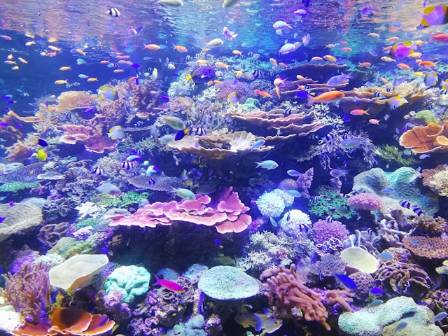
The greater Caribbean features its own highly distinct coral reef community, a biological phenomenon that resulted directly from the closure of the Isthmus of Panama roughly three to four million years ago, which permanently isolated these Atlantic waters from the Pacific Ocean. Although the overall variety of life forms inhabiting Caribbean reefs is significantly less diverse than the species-rich habitats of the Indo-Pacific region, it remains by far the most biologically rich marine environment found anywhere in the entire Atlantic Ocean. Scientists recognize approximately sixty-five distinct species of hard corals alongside roughly five hundred to seven hundred species of reef-associated fish within this localized zone. The true epicenter of this marine biodiversity is concentrated within the west-central portion of the Caribbean Sea, specifically in the aquatic territories surrounding Jamaica and the massive Belize Barrier Reef. Biological diversity generally tapers off as the distance from this central core increases. For instance, researchers have documented between forty and fifty species of stony corals throughout the extensive islands of the Bahamas, whereas a single healthy reef complex in Jamaica historically supported sixty-two distinct hard coral species during the mid-twentieth century when regional reef health was completely optimal. In a similar fashion, the total number of reef-dwelling fish species recorded across the entire Bahamas archipelago hovers around four hundred and eighty, which represents less than eighty percent of the cumulative fish diversity documented throughout the entire greater Caribbean basin.
Modern Environmental Challenges and Conservation Initiatives
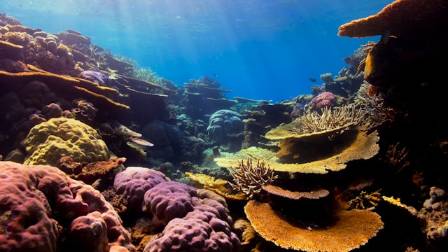
Over the course of the past five decades, the coral ecosystems of the Caribbean have experienced a catastrophic decline in the total volume of live coral tissue covering the sea floor. On average, the living coral coverage across regional reefs has plummeted from an estimated fifty to sixty percent in the mid-twentieth century to less than fifteen percent in the modern era. This newly vacated underwater real estate has been progressively overtaken by a shifting mixture of marine sponges, dense algal blooms, and exposed limestone bedrock. The underlying triggers for this widespread deterioration of reef vitality remain a subject of ongoing scientific debate, though a near-unanimous consensus points to pathogenic coral diseases as the primary driver of this ecological collapse. These destructive diseases are heavily exacerbated by expanding human footprints along the coastlines. Factors such as degrading water quality, aggressive coastal development, unsustainable overfishing practices, and the direct and indirect pressures of heavy maritime tourism have combined to create an environmental baseline that favors the rapid proliferation and transmission of deadly coral afflictions. In response to the immense inherent value and extreme vulnerability of these marine habitats, numerous Caribbean governments are actively establishing an expanding network of Marine Protected Areas alongside implementing progressively strict legal regulations designed to shield these vital underwater resources from further harm. Despite these localized conservation measures, noticeable signs of natural recovery remain incredibly minimal across most monitored zones. The ultimate reality indicates that thriving, pristine coral reef networks and expanding adjacent human populations struggle to coexist in the same space, reinforcing the historical observation that these delicate marine organisms often require the absolute minimization of human interference rather than active human management to truly survive.
अगली रिपोर्टें
सीएन टावर में खास क्या है?
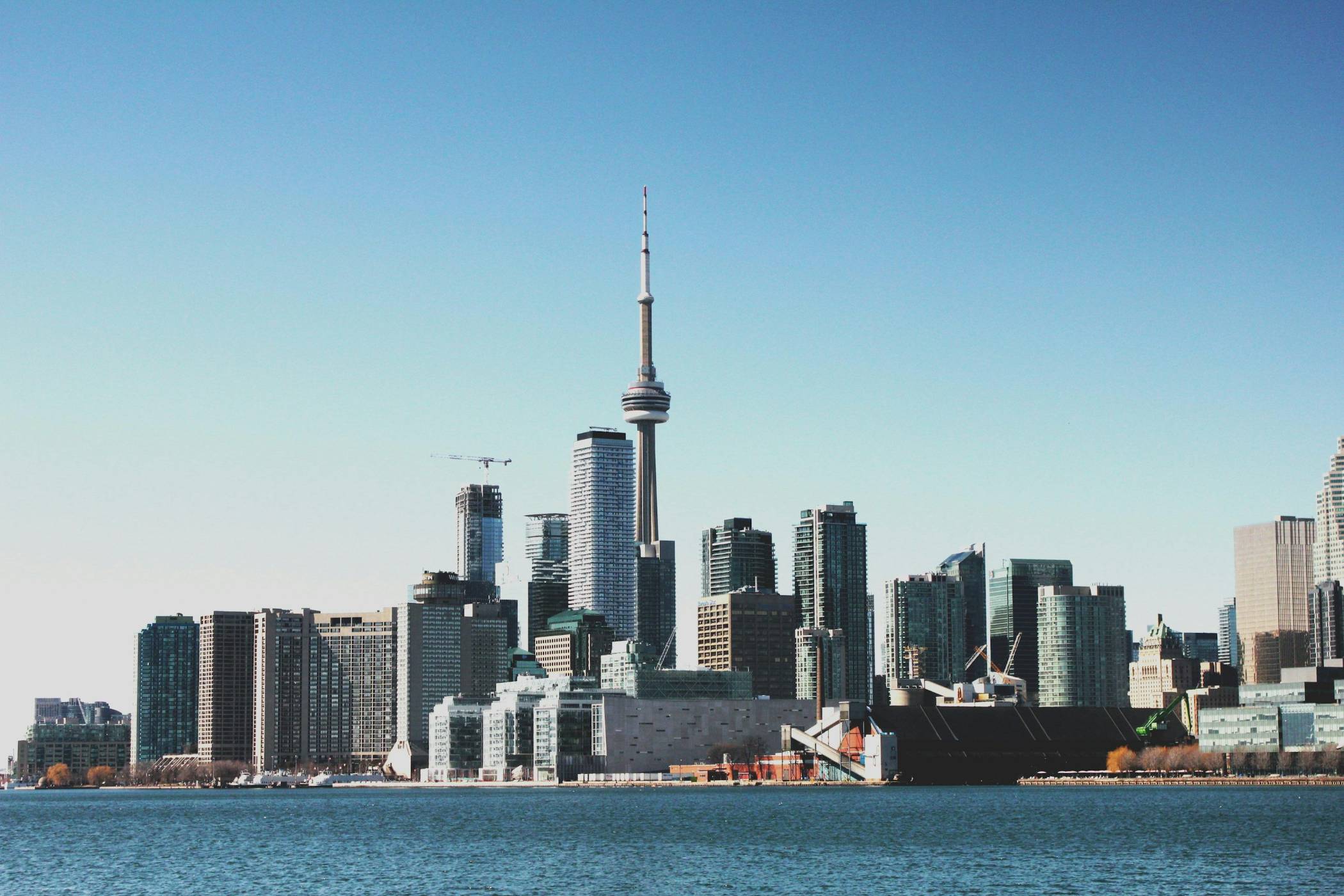
मैं हर दिन सीएन टावर को देखता हूँ, क्योंकि यह मेरे शहर, टोरंटो, के ऊपर एक विशाल, कंक्रीट के पेड़ की तरह खड़ा है, जो कांच की झाड़ियों के जंगल में छाया की तरह उभरता है। लेकिन कई साल हो गए हैं जब मुझे इसके बारे में कोई रोमांच महसूस हुआ हो, और कई साल हो गए हैं जब मैं इसके ऊपर गया था।
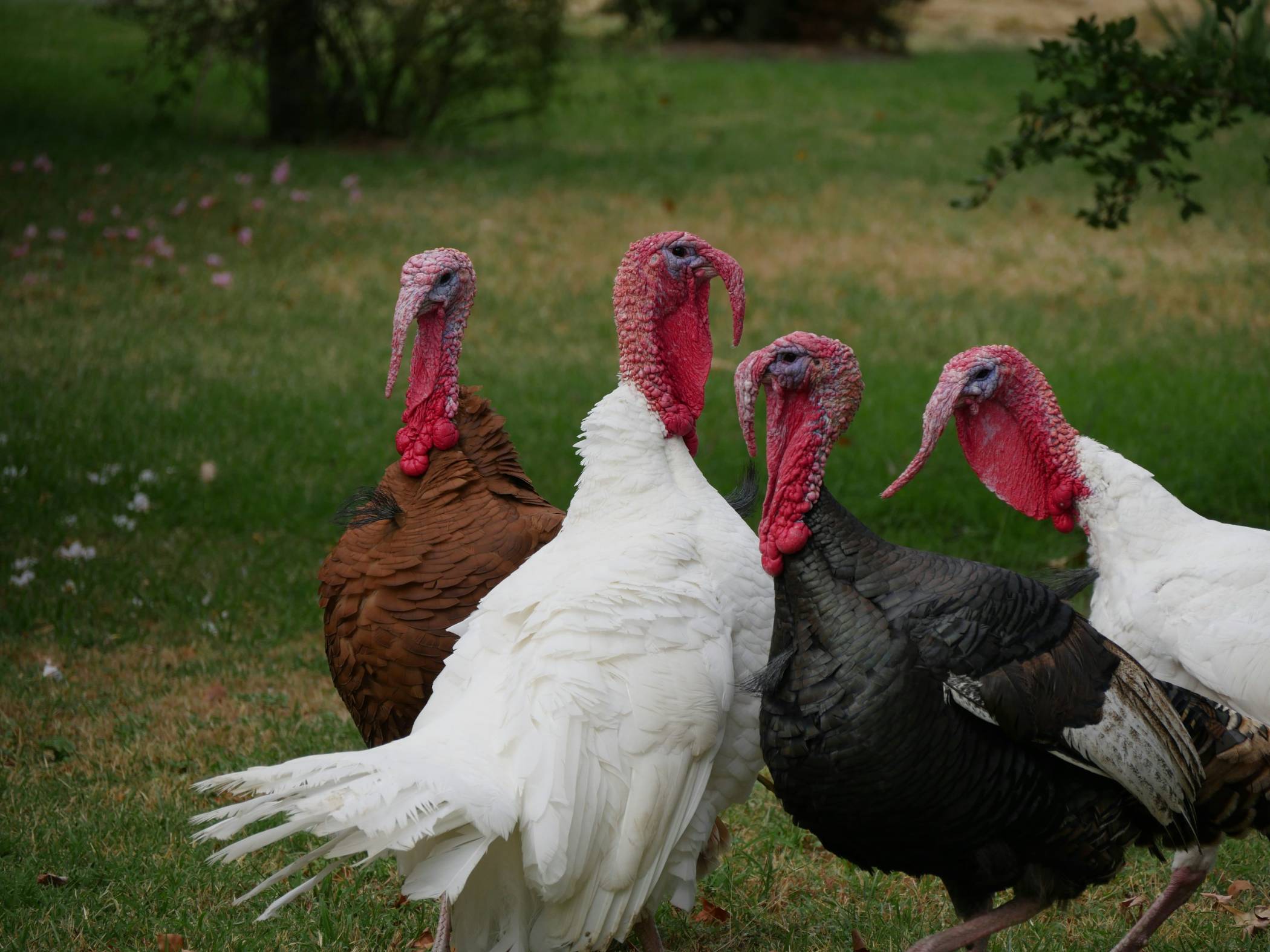
शीर्ष 10 खेत जानवर
मैं इस लेख को यह कहते हुए प्रस्तावित करना चाहूंगा कि ये रैंकिंग निष्पक्ष रूप से सही हैं और यदि आप मेरी रैंकिंग से असहमत हैं तो आप गलत हैं। इसके साथ।

कलात्मक मार्गदर्शिका: नदी किनारे के ग्रामीण परिदृश्य का चित्रण
नदी किनारे बसी बस्ती का जीवंत चित्रण करना, भूदृश्य रचना और रंग संयोजन का अभ्यास करने का एक बेहतरीन तरीका है। यह ट्यूटोरियल एक पारंपरिक गाँव के शांत वातावरण को दर्शाने पर केंद्रित है, जिसमें सरल आकृतियों और चमकीले रंगों का उपयोग करके दृश्य को सजीव बनाया गया है। एक संरचित, चरण-आधारित दृष्टिकोण का पालन करके, कलाकार वास्तुशिल्प तत्वों, जल और प्राकृतिक वनस्पतियों के बीच संतुलन स्थापित कर सकते हैं।
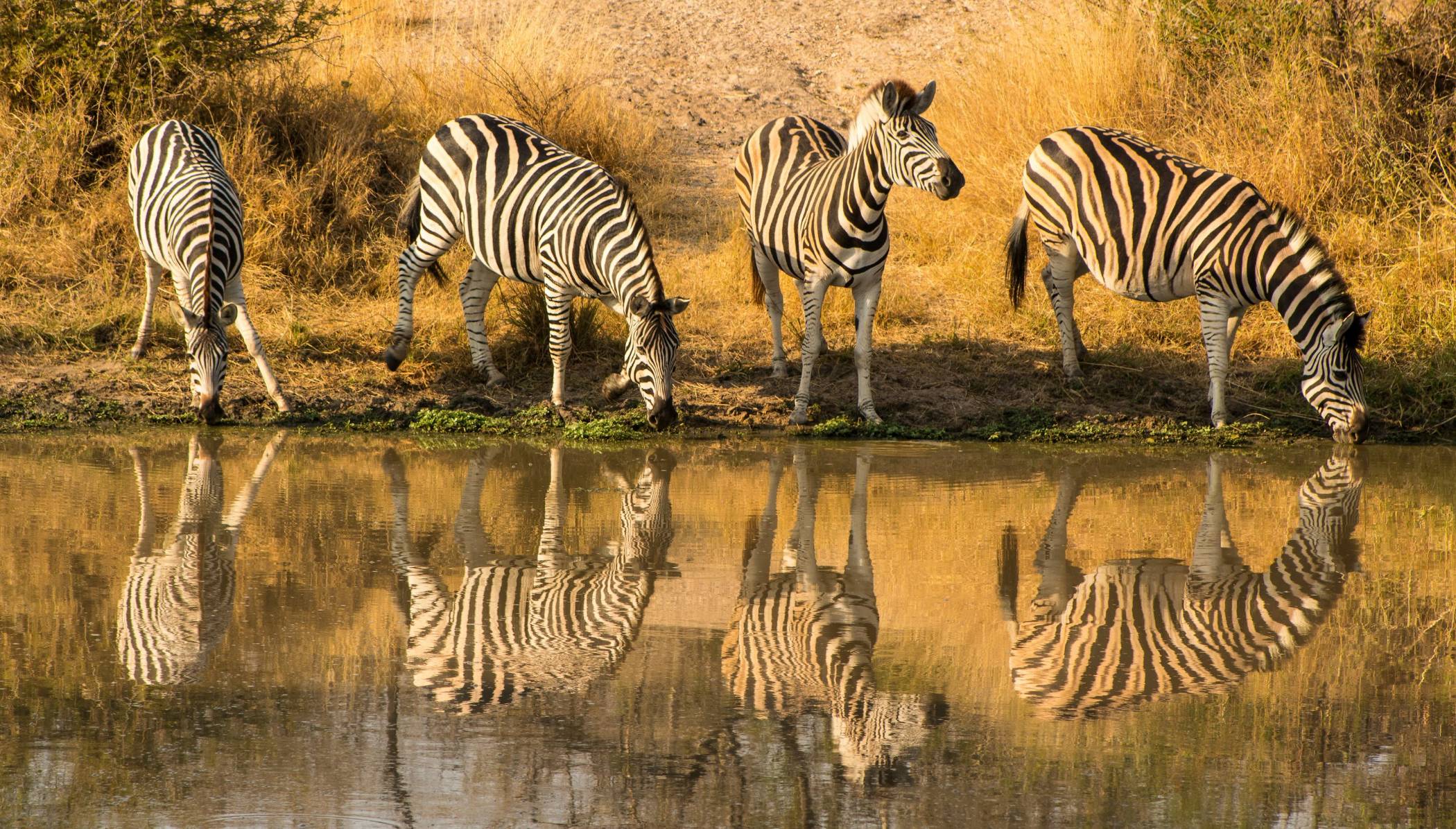
क्या ज़ेबरा काली धारियों वाला सफ़ेद होता है या सफ़ेद धारियों वाला काला?
क्या ज़ेबरा काली धारियों वाला सफ़ेद होता है या सफ़ेद धारियों वाला काला? यह सवाल इस तरह के क्लासिक मज़ाक की तरह लग सकता है: प्रश्न: काला, सफ़ेद और लाल रंग क्या होता है? उत्तर: सनबर्न वाला ज़ेबरा! लेकिन यह सवाल कोई मज़ाक नहीं है, क्योंकि इसका वास्तव में एक उत्तर है: ज़ेबरा सफ़ेद धारियों वाला काला होता है। पहली नज़र में, ऐसा लग सकता है कि इसका उल्टा सच है - आखिरकार, कई ज़ेबरा की काली धारियाँ पेट पर और पैरों के अंदर की ओर खत्म होती हैं, जिससे बाकी हिस्सा सफ़ेद दिखाई देता है। लेकिन ज़ेबरा के मामले में यह दिखने में धोखा देने वाला है।
8 of the World's Best Tropical Escapes That Feel Like Pure Paradise
When the ocean, sunshine, and silky beaches come together, the world feels far away and relaxation comes easy. If you’re craving that kind of getaway, here are eight dazzling tropical destinations where you can leave daily life behind and dive into bliss.
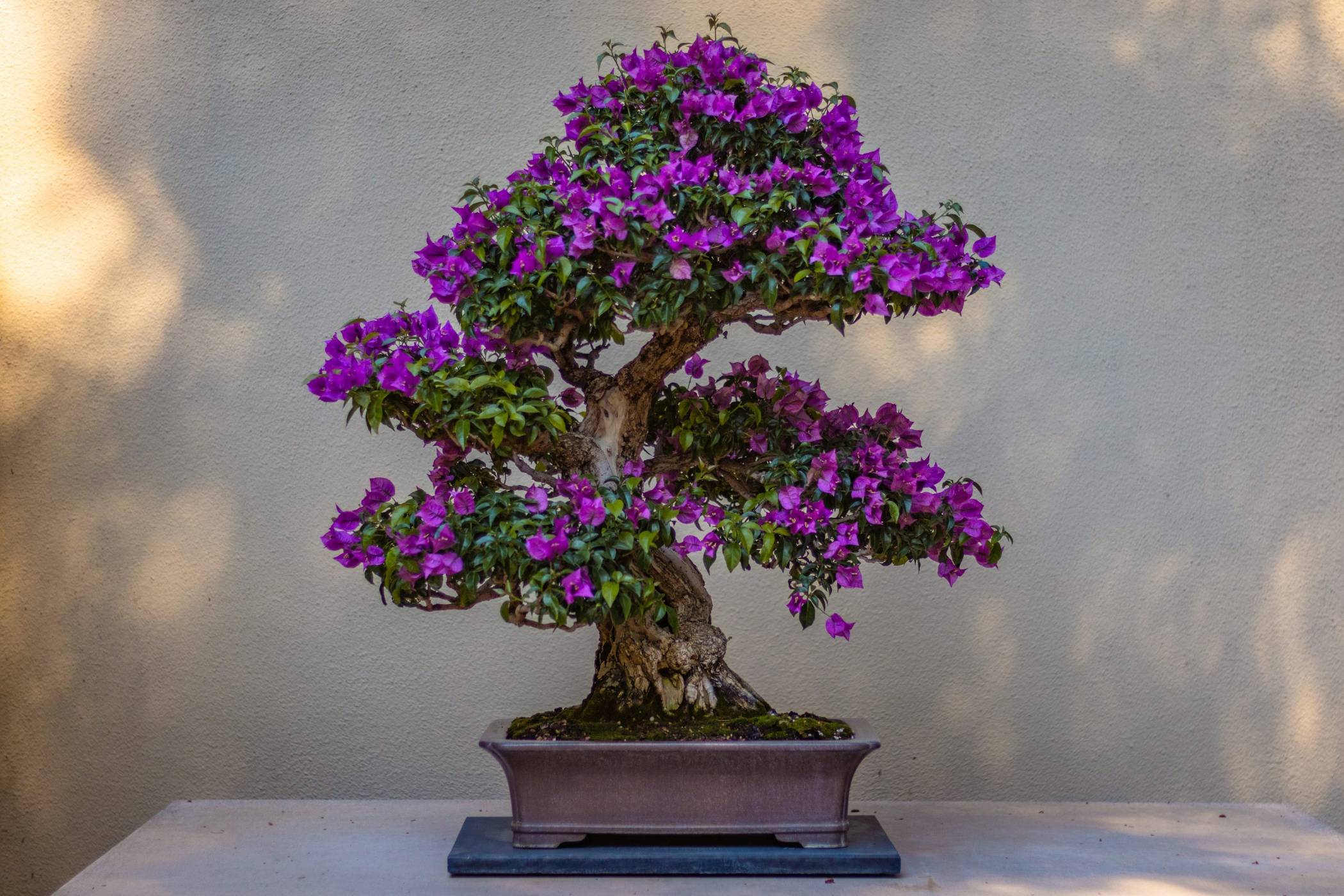
बोनसाई ट्री होम डेकोर आइडिया
हालाँकि बोनसाई ट्री को लंबे समय से इनडोर लिविंग स्पेस में ज़ेन वाइब लाने के लिए जाना जाता है, लेकिन आज इनका इस्तेमाल ज़्यादा आधुनिक सेटिंग में भी किया जाता है। क्या आप जानते हैं कि, आपके द्वारा चुने गए प्लांटर और बोनसाई को रखने के तरीके के आधार पर, आप अपनी सजावट को बिल्कुल अलग लुक दे सकते हैं? आजकल, बोनसाई ट्री न केवल फेंग शुई सजावट से जुड़े हैं, बल्कि वे अब सबसे मिनिमलिस्ट से लेकर सबसे क्लासिक तक कई तरह की शैलियों में फिट होते हैं। यहाँ कृत्रिम बोनसाई ट्री के साथ हमारे शीर्ष 5 ट्रेंडी डेकोर आइडिया दिए गए हैं। जानना ज़रूरी है: असली बोनसाई ट्री के विपरीत, कृत्रिम बोनसाई को किसी रखरखाव या छंटाई की ज़रूरत नहीं होती है। बेशक, उन्हें असली दिखाने के लिए, एक अच्छी क्वालिटी का बोनसाई चुनना ज़रूरी है। कुछ मॉडल, जैसे कि डेकोर्स वेरोन्यू द्वारा बनाए गए, असली प्रभाव के लिए असली पेड़ के तने से भी बनाए जाते हैं!