← डेस्क पर लौटें3 मिनट का ब्रिफ

फुल ब्रिफ

Objects in Contemporary Art

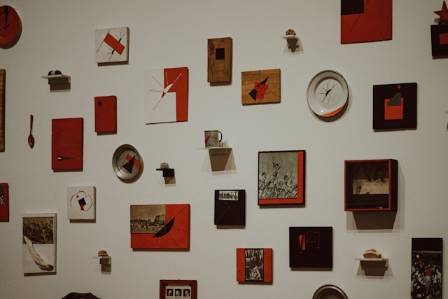
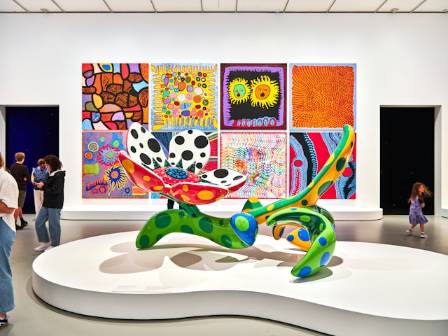
Have you ever wandered through the aisles of a modern art fair and felt as if you were in a high-end antique shop? Many of the objects look strikingly familiar—beyond the astronomical price tags: toilet paper, stacks of plates, vacuum cleaners, even adult toys… These trendy exhibitions are filled with everyday items that we often don’t recognize as potential art materials.

N

Nathaniel Grant

डेस्क रिपोर्टर

कॉन्टेक्स्ट

पढ़ते समय संदर्भ नोट्स साथ रखे गए हैं।

लाइन

डेली सिग्नल
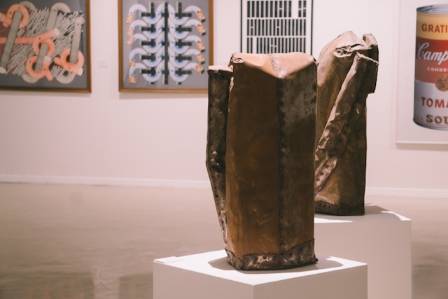
Have you ever wandered through the aisles of a modern art fair and felt as if you were in a high-end antique shop? Many of the objects look strikingly familiar—beyond the astronomical price tags: toilet paper, stacks of plates, vacuum cleaners, even adult toys… These trendy exhibitions are filled with everyday items that we often don’t recognize as potential art materials.
Purchasing a piece of art made from objects that could be bought at a supermarket for a fraction of the price can leave many people baffled. Typically, this triggers one of two responses: frustration or a profound self-doubt regarding one’s own judgment. Are they mocking me? Or: who am I to question whether this is art?
So how did the gap between contemporary art and its audience grow so wide? Artsper offers insight into the evolution of everyday objects in modern and contemporary art, from the 20th century to today.

Ready-Made and Pop Art

The roots of this phenomenon lie in Marcel Duchamp’s famous gesture: taking a urinal, flipping it upside down, and naming it Fountain. This marked the birth of the “ready-made,” where ordinary, mass-produced objects were transformed into works of art. Unlike traditional art forms, where objects were depicted or represented, Duchamp’s ready-mades were presented directly to viewers.
Paradoxically, this action also laid the groundwork for conceptual art, even though the works themselves became more materially visible. Duchamp liberated artists from the need to physically “craft” art, shifting the emphasis to the idea behind the piece. He did not manufacture in the conventional sense; instead, he selected pre-existing items and altered their context, allowing their forms to carry symbolic meaning.
Consequently, the act of creation moved from technical skill to conceptual intent. The artist could even delegate the execution of the work, as long as it followed their instructions. This approach is evident in contemporary “artist factories,” such as those run by Damien Hirst or Jeff Koons, where teams of assistants realize the artist’s vision.
In the 1950s, Pop Art extended Duchamp’s concept by turning consumer society itself into the subject of art. Artists repurposed everyday objects, removing them from their functional context, to make statements about modern life.

New Realism

A decade later, Duchamp’s influence continued through the New Realism movement. Founded in 1960, this group included artists like Yves Klein, Arman, Jean Tinguely, César, and Jacques de la Villeglé. Their art centered on the collection, assembly, and compression of everyday items.
By taking objects out of their intended context, these artists encouraged viewers to reflect on contemporary lifestyles and consumer culture. New Realism was described as the “poetic recycling” of urban, industrial, and advertising materials. The term “realism” echoed the 19th-century literary movement, emphasizing the depiction of reality without embellishment.

Contemporary Challenges

Today, many contemporary artists continue Duchamp’s legacy, often taking it even further, raising new questions about the nature of art and authorship.
For instance, Damien Hirst’s 2002 Pill Cabinets consisted of supermarket medication arranged on shelves—echoing Duchamp’s gesture almost a century later. The difference now is that the artist’s involvement in making the work is increasingly indirect. Duchamp once instructed his sister to produce a ready-made; today, high-profile artists rely on entire teams to execute their visions.
The question of authenticity is further complicated by works like Felix Gonzalez-Torres’ Untitled (Portrait of Ross in L.A.), which is a pile of candies that viewers are invited to consume. Since the candies are constantly replaced, the piece is recreated anew each time it is exhibited, following the artist’s instructions. This challenges traditional notions of authorship and raises the question: is the artist merely the idea generator, while assistants or curators who execute the work also deserve recognition?
Paradoxically, in a time when the definition of art is more elusive than ever, the artist’s name has become the primary source of value and authority in the art market. Creating an artwork no longer automatically makes someone an artist; rather, the reputation of being an artist validates the work. This explains the growing “branding” of contemporary artists and the proliferation of certificates of authenticity in the art world.
Whether Duchamp intended it or not, his ready-mades paved the way for a contemporary art landscape in which the object itself often becomes secondary to the concept and the artist’s name. By extracting objects from their utilitarian function, he opened the door to the bold, often controversial expressions that define modern and contemporary art today.

अगली रिपोर्टें

पांडे के बारे में 10 महत्वपूर्ण तथ्य

पांडे के बारे में 10 महत्वपूर्ण तथ्य

विशाल पांडे के काले और सफेद निशान के दो मुख्य उद्देश्य होते हैं: छलावरण और संचार। पांडे का अधिकांश हिस्सा - इसका चेहरा, गर्दन, पेट, और पिछवाड़ा - सफेद होता है, जो इसे बर्फीले आवासों में छिपने में मदद करता है। इसके हाथ और पैर काले होते हैं, जो इसे छांव में छिपने में मदद करते हैं।

रोबोट के प्रकार

रोबोट के प्रकार

यह परिभाषित करना आसान नहीं है कि रोबोट क्या हैं, और उन्हें वर्गीकृत करना आसान नहीं है। प्रत्येक रोबोट की अपनी अनूठी विशेषताएं होती हैं, और एक पूरे के रूप में, रोबोट आकार, आकार और क्षमताओं में बेहद भिन्न होते हैं। फिर भी, कई रोबोट कुछ सामान्य विशेषताओं को साझा करते हैं, जिससे उन्हें एक साथ समूह बनाना संभव हो जाता है। यहां रोबोट को वर्गीकृत करने के लिए 18 श्रेणियां हैं।

छाया फोटोग्राफी के रहस्यों को जानें

छाया फोटोग्राफी के रहस्यों को जानें

छायाओं द्वारा निर्मित आकृतियां और पैटर्न किसी तस्वीर में गहराई और आकर्षण जोड़ सकते हैं या स्वयं एक केन्द्र बिन्दु बन सकते हैं। इन विशेषज्ञ फोटोग्राफी युक्तियों से नाटकीय छायाओं को कैद करना सीखें।

A Comparison of Modern and Medieval Landscape Architecture

A Comparison of Modern and Medieval Landscape Architecture

Many centuries ago, landscape architecture embraced gardens for purposes like plant cultivation, the appreciation of nature's beauty, relaxation, leisurely strolls, and children's play areas. Today, gardens have transformed into a form of artistic expression and are cultivated as a leisure pursuit. Consequently, landscape architecture has undergone significant evolution over time, shifting its focus toward more sustainable and functional structures.
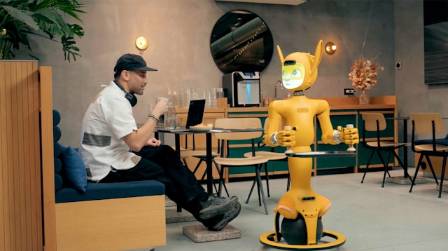
Robots Used In Everyday Life

Robots Used In Everyday Life

The term “robot” often brings to mind Hollywood-style humanoid machines, but in reality, robots are usually simple mechanical devices programmed to perform specific, repetitive tasks. They are commonly used to handle work that humans find dull, dirty, or hazardous.
Five Strategies to Reduce Abdominal Fat and Enhance Wellbeing

Five Strategies to Reduce Abdominal Fat and Enhance Wellbeing

Maintaining a lean waistline offers benefits beyond appearance—it can contribute to a longer life. An increased waist circumference is associated with greater risks of heart disease, diabetes, and certain cancers. Shedding excess weight, particularly abdominal fat, enhances vascular function and promotes better sleep.